Skip to content
CodexMythologia
Back to the Codex
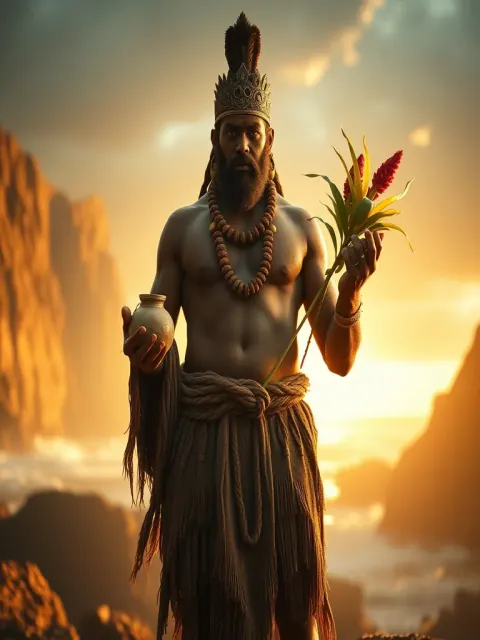
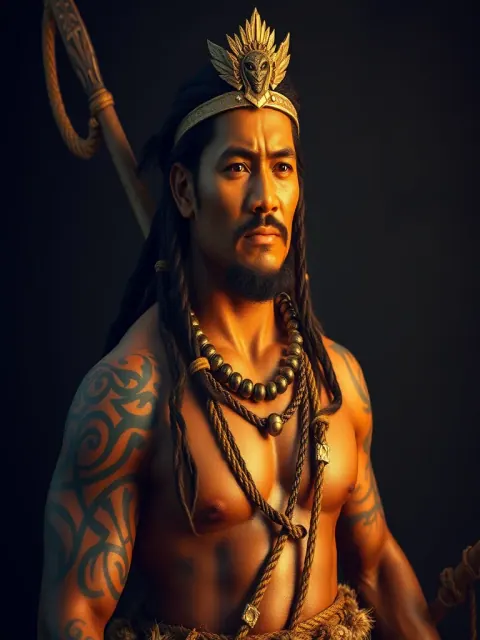
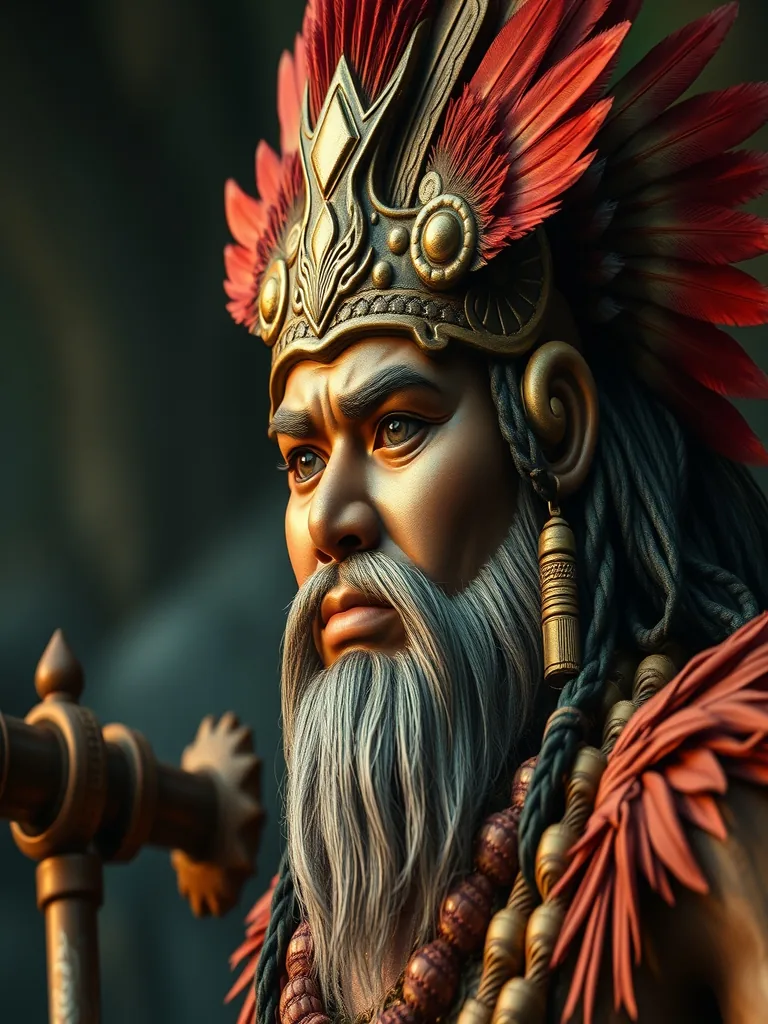
Portrait of Kū, Polynesian deity
Polynesian
Tap or drag
Polynesian

Kū

The God of War

Domain
War, Strength & Prosperity
Alignment
Lawful Neutral
Element
Fire
Relics of Power
Carved War Image
Speak with Kū

The full Codex

5 sections of this entry are open to everyone: the summary, the people, the symbols, the lineage and the sources. The other 9 (Name and epithets, In the ancient sources, The myths, Worship and archaeology, How the god was depicted, What scholars debate, After antiquity, Did you know?, Codex relic) are part of the full Codex: PRO opens the whole study of all 500 deities, and without a subscription you can read one full entry a day, just like in the app.

The People

People
Polynesian peoples
Region
Pacific islands
Period
c. 1000 BC – present

The Polynesian gods were worshipped by the navigators who colonized the Pacific islands, from Hawaii to New Zealand and Easter Island. They honored them on sacred platforms (marae) and through the concept of mana, spiritual power. Their myths, such as those of the hero Maui, are still told among the Maori and Hawaiians.

On the marae, sacred stone platforms, priests offered first fruits and invoked the gods before fishing and war. The kapu (taboo) system ruled what was sacred and forbidden, and in Hawaii the hula was born as a devotional dance to goddesses like Pele and Laka.
At a glance

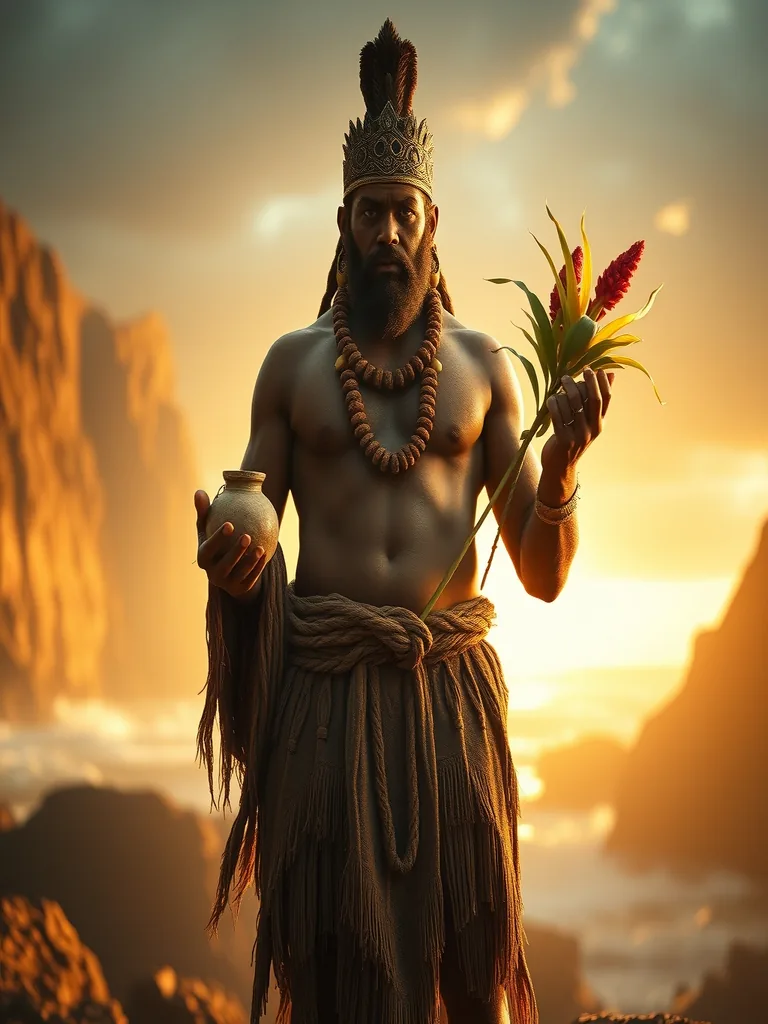
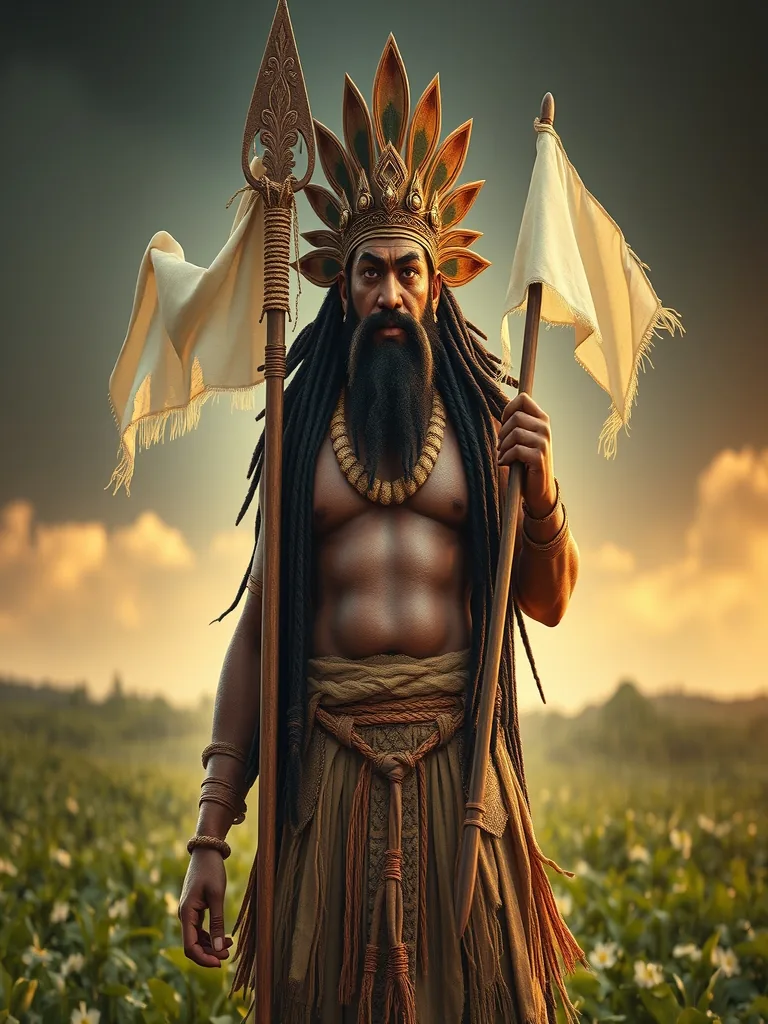
Kū (often revered under the royal aspect of Kū-nui-ākea and the martial epithet Kūkaʻilimoku) is one of the four supreme foundational deities (nā akua) of traditional Hawaiian religion, sharing cosmic governance with Kāne, Lono and Kanaloa. Personification of the generative male principle, of upright verticality and of sovereign authority, Kū presided over war, political unification, mountain forests, the engineering of ocean canoes, agriculture and fishing. In the socio-religious organization of the Hawaiian islands, the state cult of Kū reached its fullest expression in the walled temples of the luakini class, erected exclusively by the supreme chiefs (aliʻi nui) in times of war or great national danger, with the aid of high-lineage priests of the Pāʻao line. In these sacred complexes, strict rites of silence and sacrifice dedicated offerings of animals, cloth and human captives to secure victory in battle and the legitimacy of the crown. Alongside the imperial liturgies of conquest, Kū was also invoked by the common people in functional, protective manifestations, such as Kū-moku-hālīʻi in the ceremonial felling of forest trees, Kū-ka-ʻōʻō in the cultivation of the land, and Kūʻula in the protection of coastal fishermen.

7 min read · Reviewed on September 28, 2026 · How we research

Sacred symbols

The war idol, the spear, the fierce expression and the pig

Family

Kū
Unions
Children
Kūʻula-kai (god of marine abundance and fishing grounds)
Genealogy according to David Malo, Moolelo Hawaii (1898/1903); Samuel M. Kamakau, Ka Po'e Kahiko (1964); Martha Beckwith, Hawaiian Mythology (1940); Abraham Fornander, Polynesian Race (1878-1880); Valerio Valeri, Kingship and Sacrifice (1985)

Sources and further reading

Primary sources

  • Malo, David, Hawaiian Antiquities (Moolelo Hawaii). translation: Translated from Hawaiian by Nathaniel Bright Emerson. Honolulu: Hawaiian Gazette Co., 1903. read
  • Kamakau, Samuel Manaiakalani, Ka Po'e Kahiko: The People of Old. translation: Translated from Hawaiian by Mary Kawena Pukui; edited by Dorothy B. Barrère. Honolulu: Bishop Museum Press, 1964. read
  • Emerson, Nathaniel Bright, Unwritten Literature of Hawaii: The Sacred Songs of the Hula. translation: Washington, D.C.: Government Printing Office / Smithsonian Institution Bureau of American Ethnology Bulletin 38, 1909. read
  • Fornander, Abraham, Fornander Collection of Hawaiian Antiquities and Folk-Lore. translation: Memoirs of the Bernice Pauahi Bishop Museum, Vols. IV-VI. Honolulu: Bishop Museum Press, 1916-1920.

Studies

  • Beckwith, Martha Warren, Hawaiian Mythology. New Haven: Yale University Press, 1940. open
  • Valeri, Valerio, Kingship and Sacrifice: Ritual and Society in Ancient Hawaii. Chicago: University of Chicago Press, 1985. open
  • Westervelt, William Drake, Legends of Old Honolulu. Boston: Geo. H. Ellis Co. / London: Press of Kegan Paul, Trench, Trübner & Co., 1915. open
  • Kirch, Patrick Vinton, How Chiefs Became Kings: Divine Kingship and the Rise of Archaic States in Ancient Hawaii. Berkeley: University of California Press, 2010.

Name and epithets

The Hawaiian name Kū derives from Proto-Polynesian *tū, whose primordial meaning denotes rising up, standing, remaining upright, firm or ascending.

In the ancient sources

Hawaiian Antiquities (Moolelo Hawaii), 1898 / 1903. Classic treatise by David Malo documenting the priestly protocol of Kū, the ritual felling of the ʻōhiʻa trunk and the solemn offerings at the war heiau.

The myths

The Metamorphosis of Kū into the First Breadfruit Tree. In the oral traditions recorded by Mary Kawena Pukui and William D.

Worship and archaeology

The state cult dedicated to Kū represented the peak of the Hawaiian ceremonial hierarchy and was marked by rigid taboos (kapu) and ritual demands that set it apart from the agricultural and domestic cults of Kāne and Lo…

How the god was depicted

The visual representation of Kū developed in two material languages of extraordinary aesthetic rigor: monumental wood sculpture and sacred feather art.

What scholars debate

The Theology of Sacrifice and Royal Sovereignty in Valeri. The anthropologist Valerio Valeri, in his influential study Kingship and Sacrifice (1985), demonstrated that human sacrifice in the temple of Kū was not a blind…

After antiquity

After the fall of the traditional taboo system in 1819 under Kamehameha II and the subsequent introduction of Christianity, the temples of Kū were abandoned and most of their sacred effigies were dismantled or burned.

Did you know?

Only three large monumental temple sculptures of Kūkaʻilimoku survived the iconoclastic destruction that accompanied the collapse of the taboo system in 1819; they are preserved in the British Museum, the Bishop Museum…

Codex relic

Carved War Image. A wooden idol of fierce expression, raised to ensure victory in battle.

The rest of this scroll is sealed

The legends, the myth, the cult and relics are part of the full Codex. You can open 1 full entry for free every day; to open all 500 deities with no limits and no ads, subscribe to Codex PRO.

See Codex PROGet it on Google Play

From the same pantheon

View pantheon