Polynesian
14 deities of this pantheon
Origin, Worldview and Mythology of the Polynesian
Sacred tradition associated with the Polynesian peoples
Origin and Mythological Worldview
The Polynesian gods were worshipped by the navigators who colonized the Pacific islands, from Hawaii to New Zealand and Easter Island. They honored them on sacred platforms (marae) and through the concept of mana, spiritual power. Their myths, such as those of the hero Maui, are still told among the Maori and Hawaiians.
The sacred stories of this pantheon anchored the moral and civic foundation of ancient settlements, establishing rites of passage, seasonal liturgies, and explanations for terrestrial and celestial cycles.
Principal Deities and Central Figures
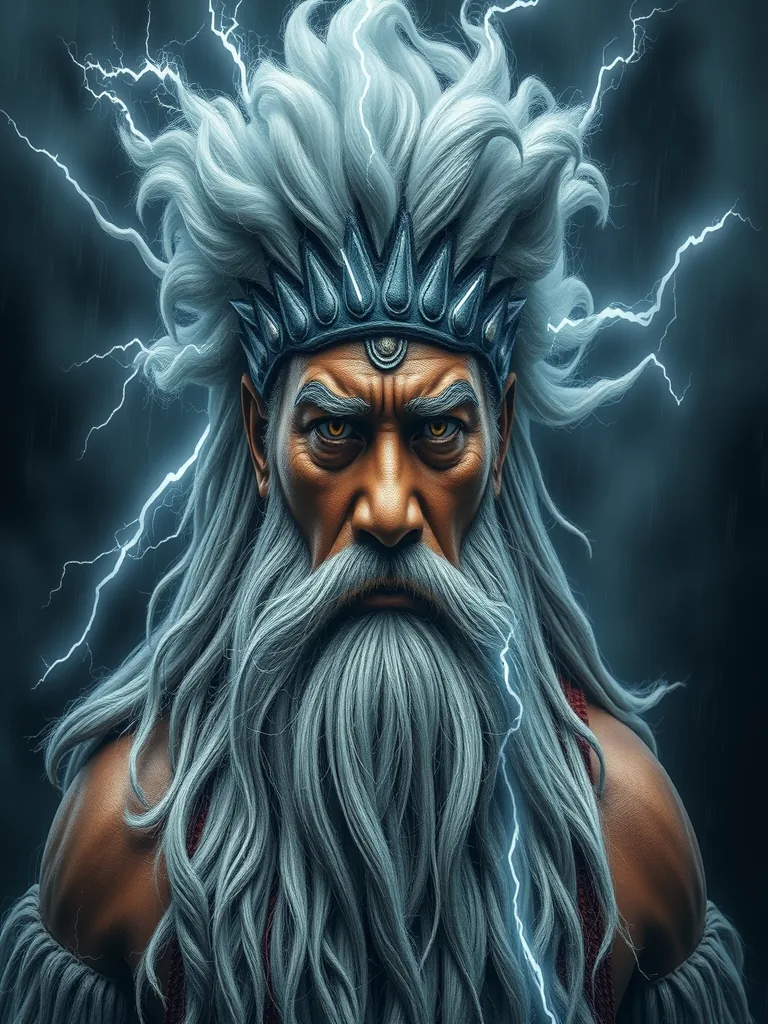
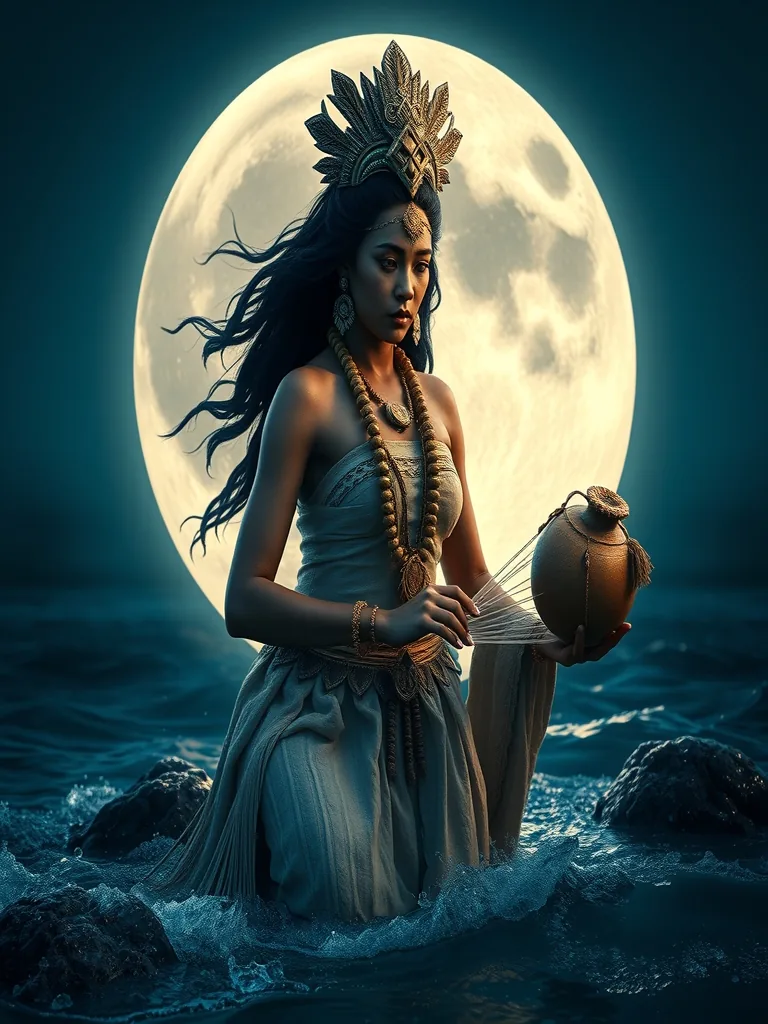
Among the 14 deities cataloged in the Codex for this pantheon, several figures hold preeminent standing across cosmic domains and civic life:
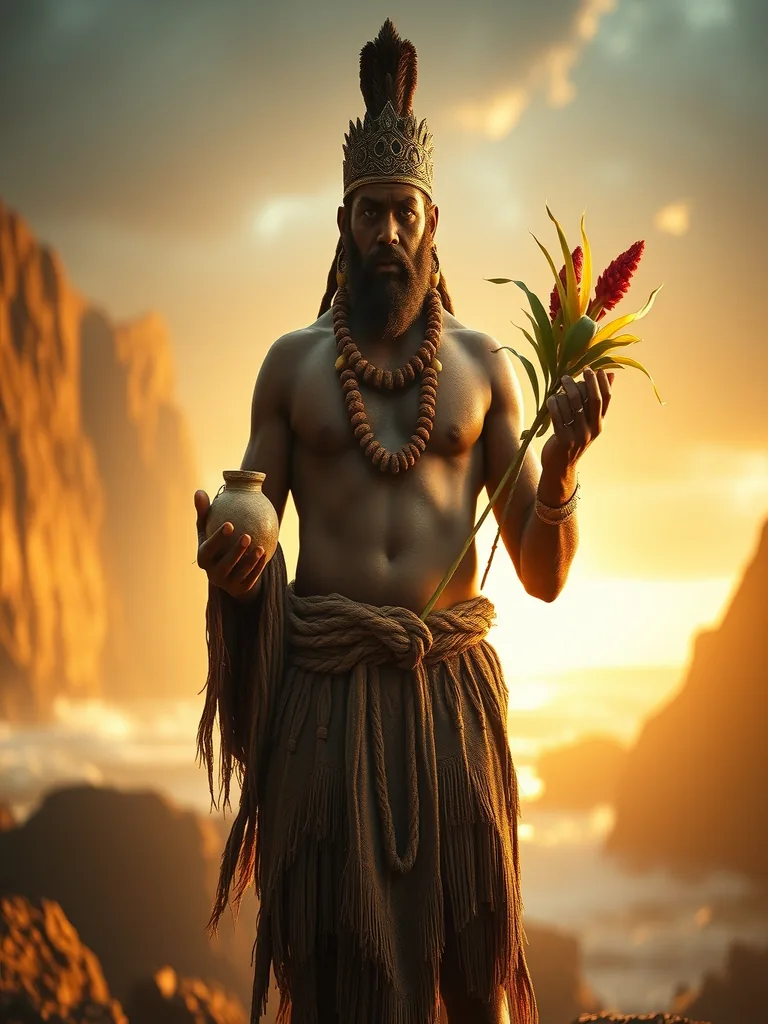
- Kane — Creation, Life & Light
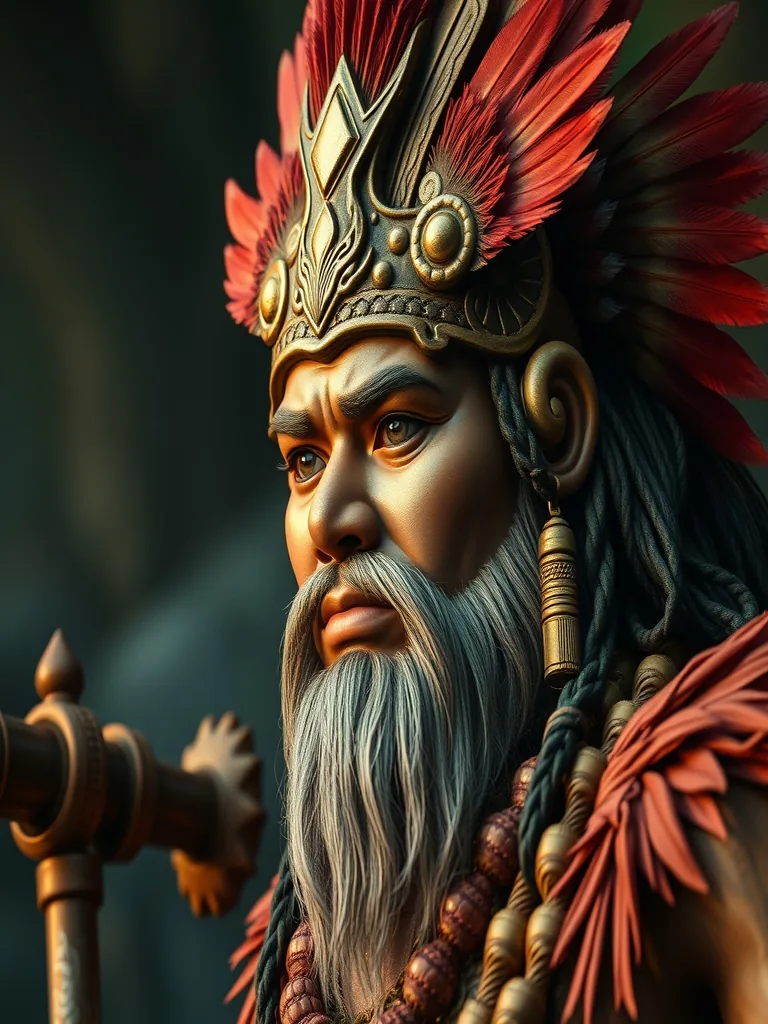
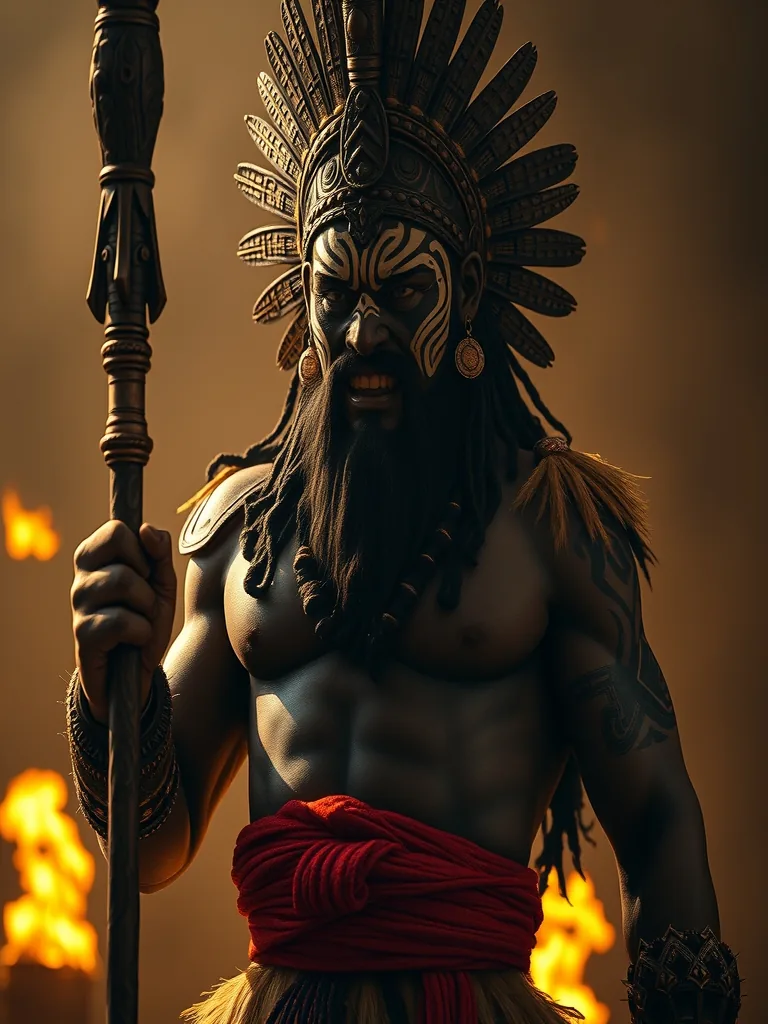
- Kū — War, Strength & Prosperity
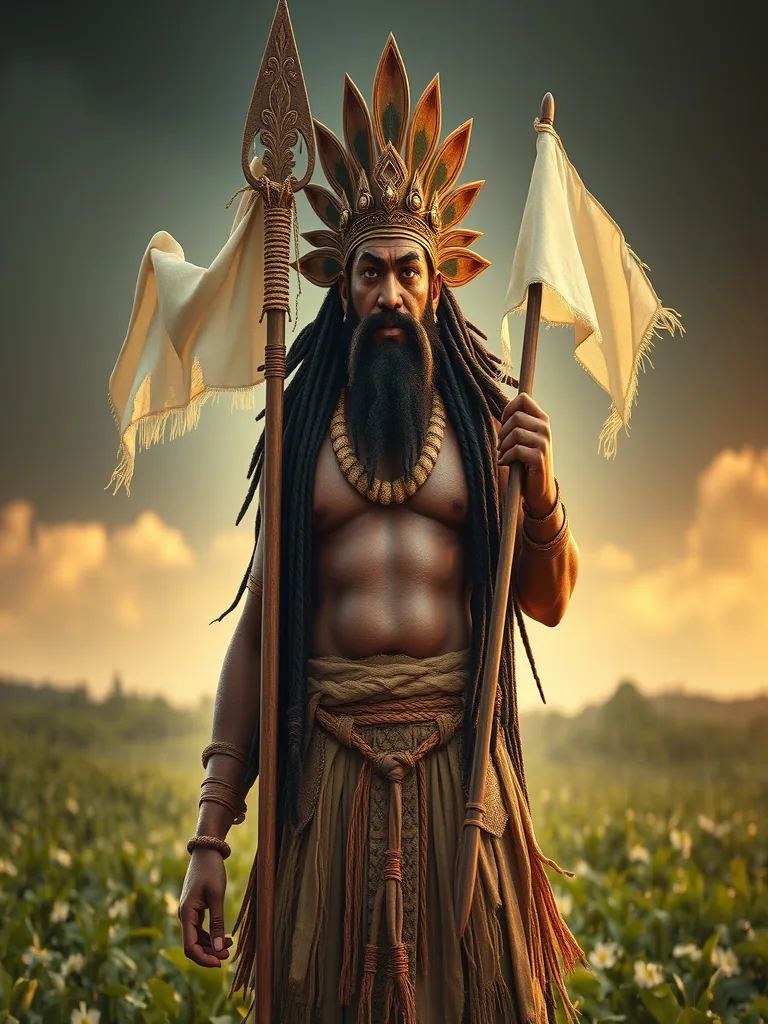
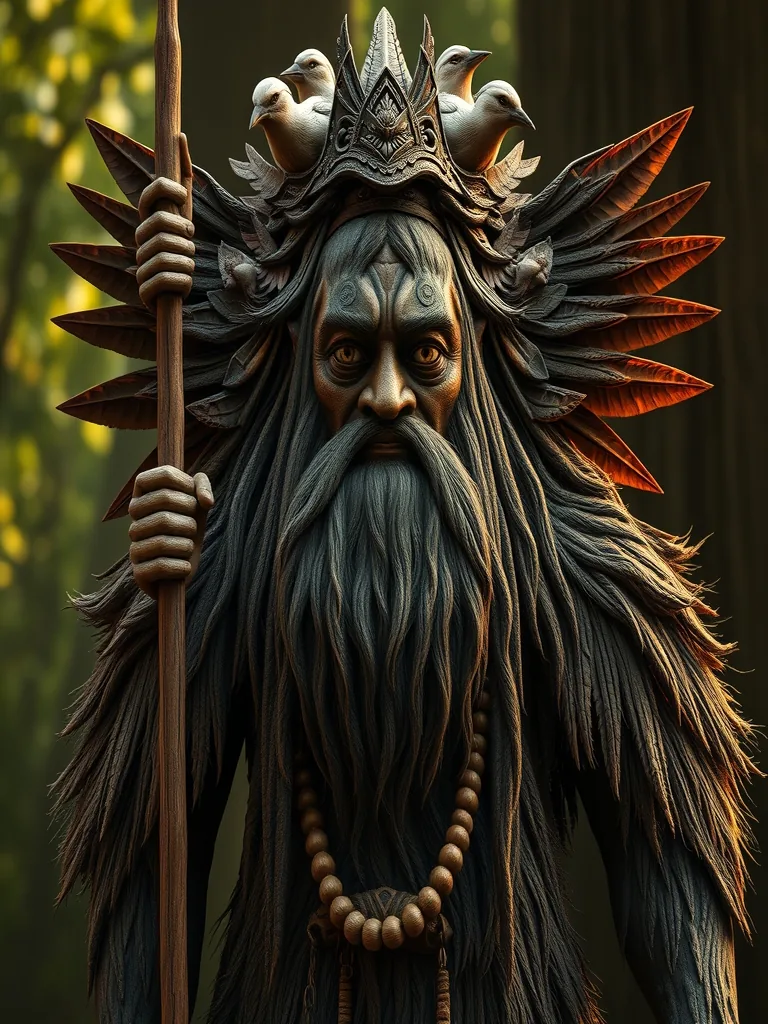
- Lono — Peace, Rain & Agriculture
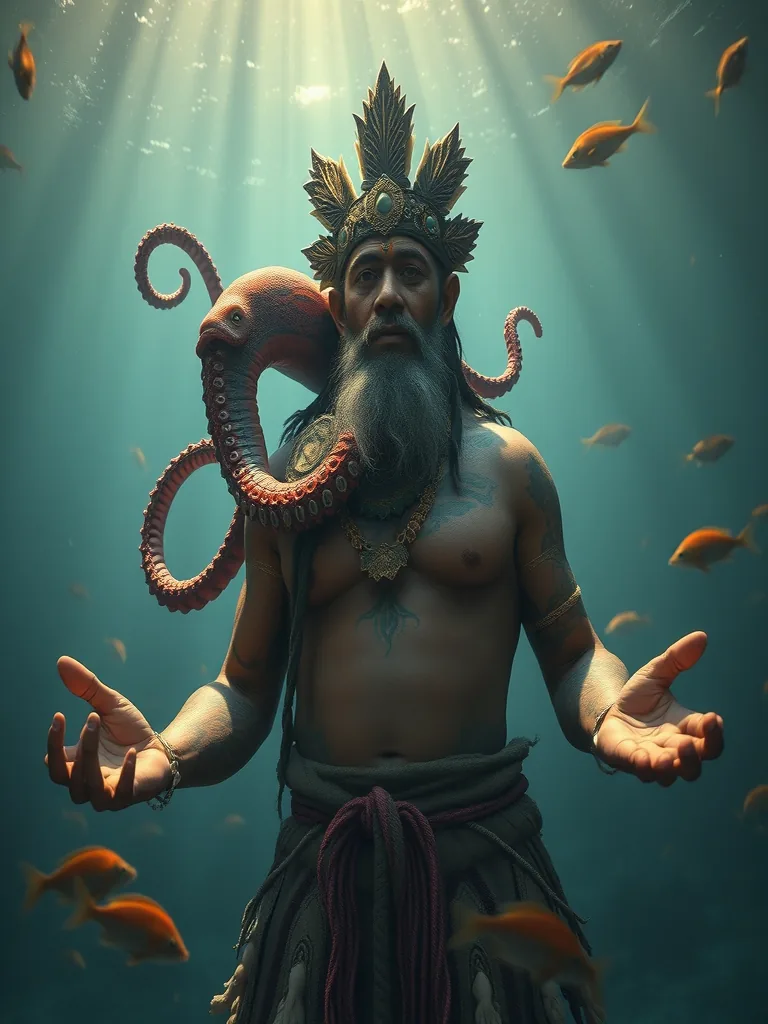
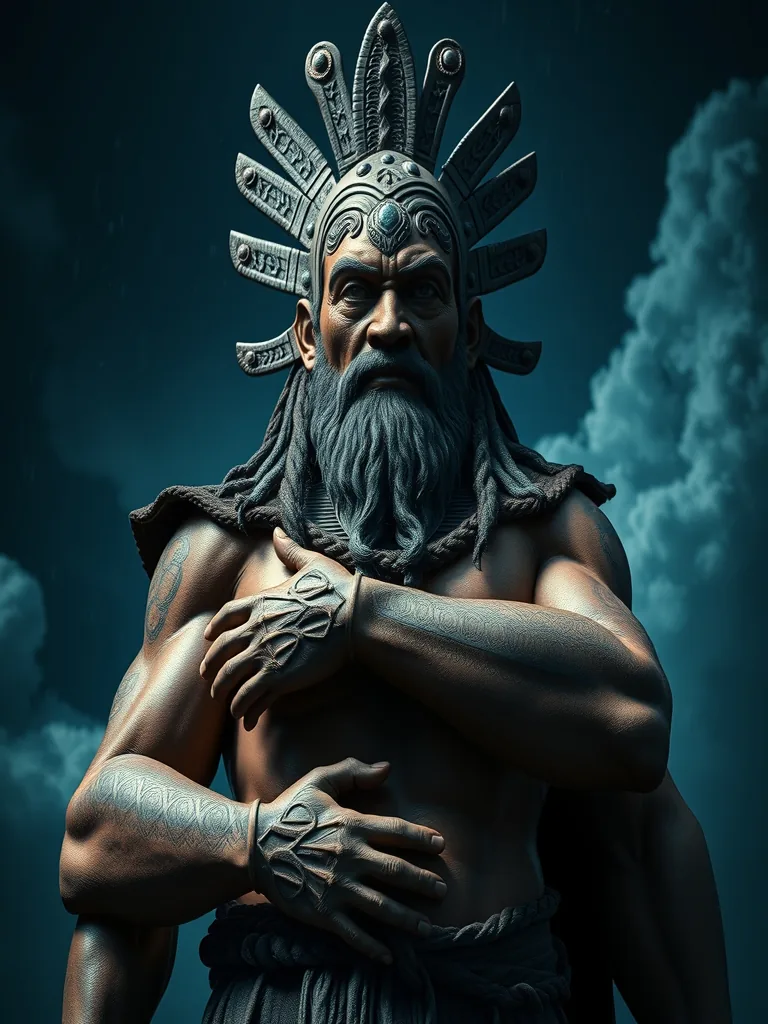
- Kanaloa — Ocean, Navigation & Healing
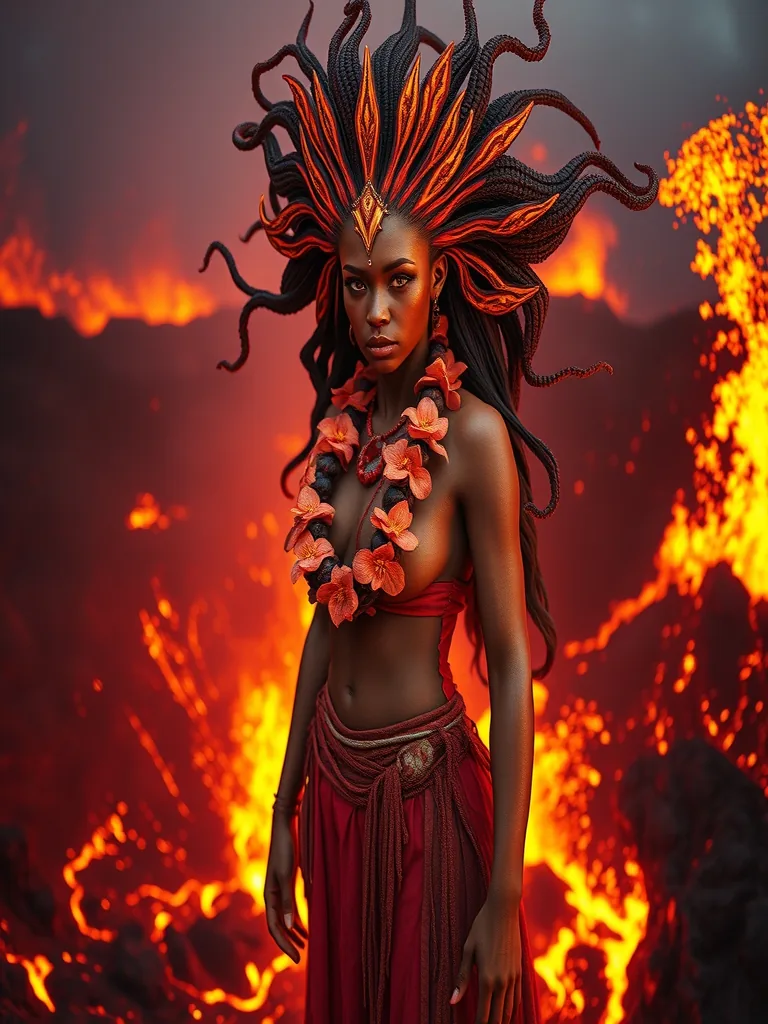
- Pele — Volcanoes, Fire & Land Creation
Temples, Ritual Practices and Cult
On the marae, sacred stone platforms, priests offered first fruits and invoked the gods before fishing and war. The kapu (taboo) system ruled what was sacred and forbidden, and in Hawaii the hula was born as a devotional dance to goddesses like Pele and Laka.
Priests and traditional lorekeepers guarded the continuity of sacred hymns and divine genealogies, ensuring the benevolence of the gods for agricultural fertility, social harmony, and communal protection.
14 deities