Skip to content
CodexMythologia
Back to the Codex
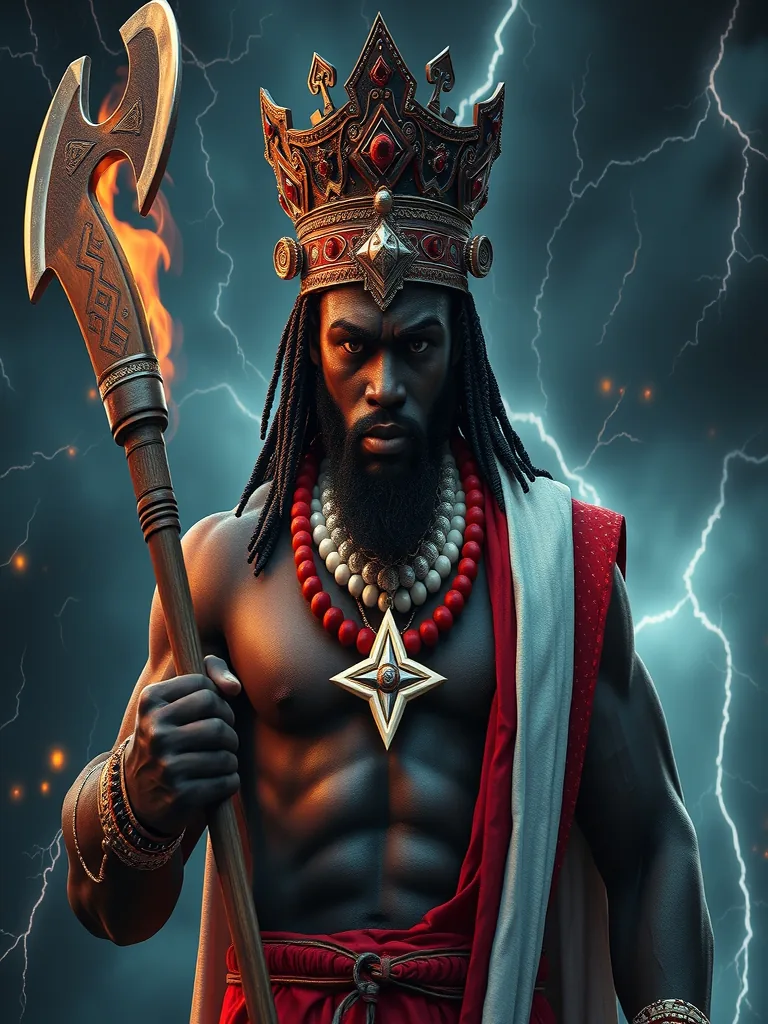
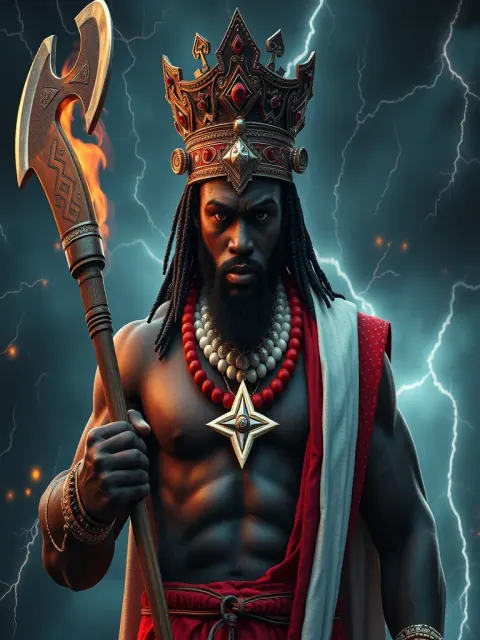
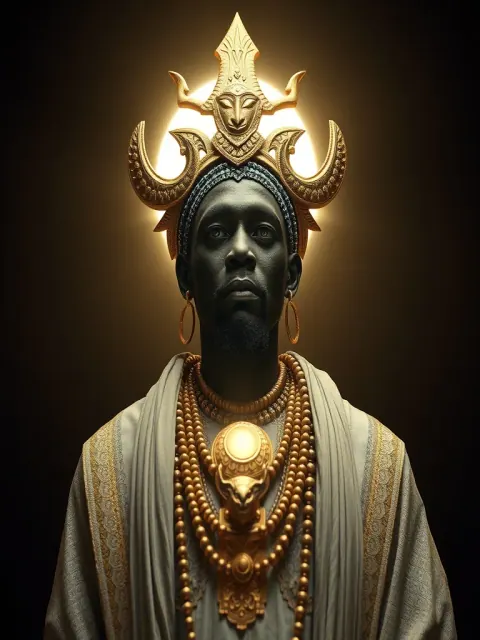
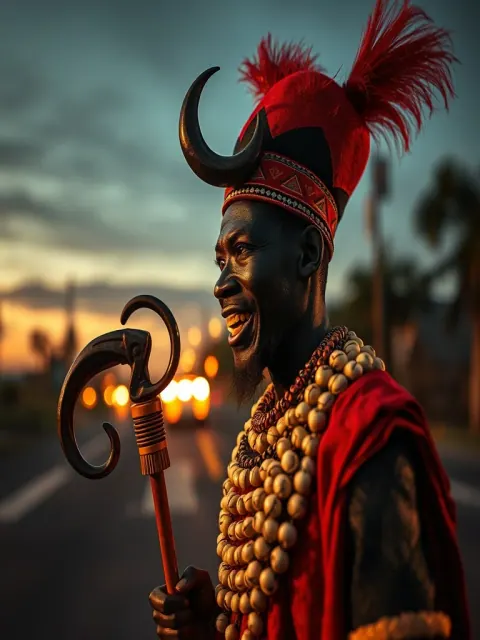
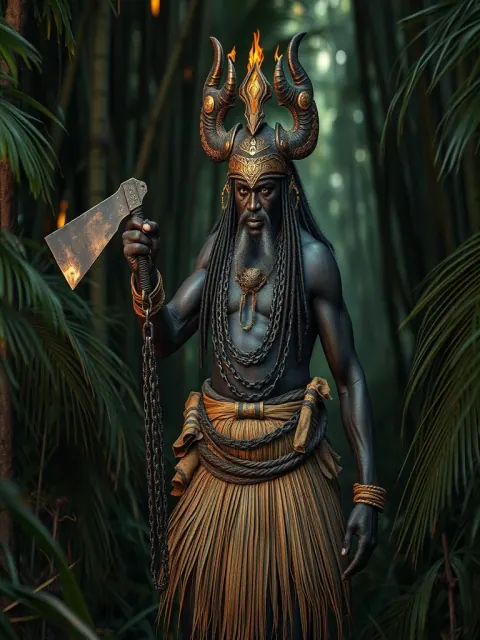
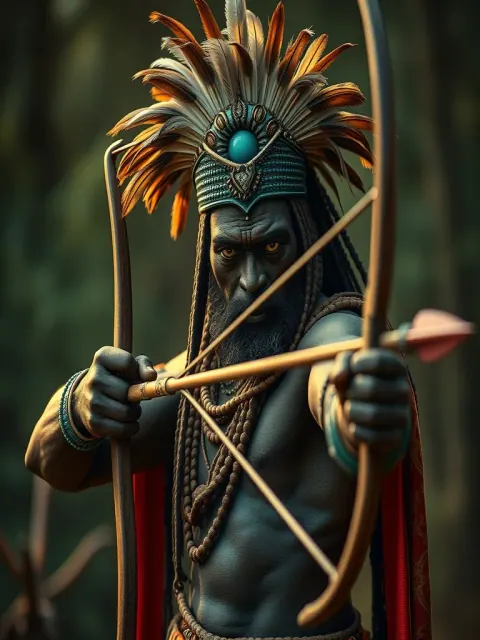
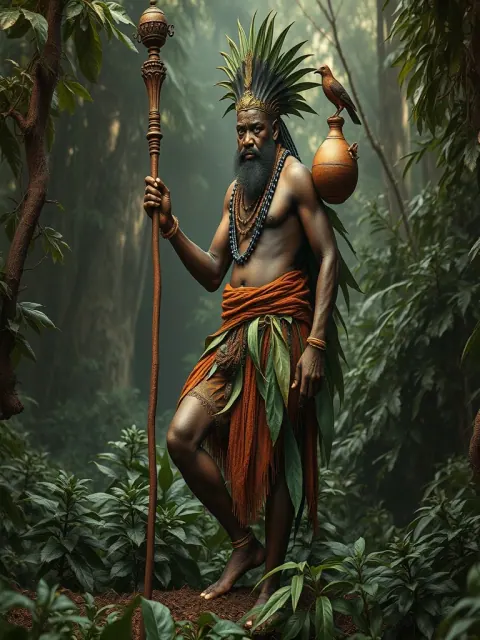
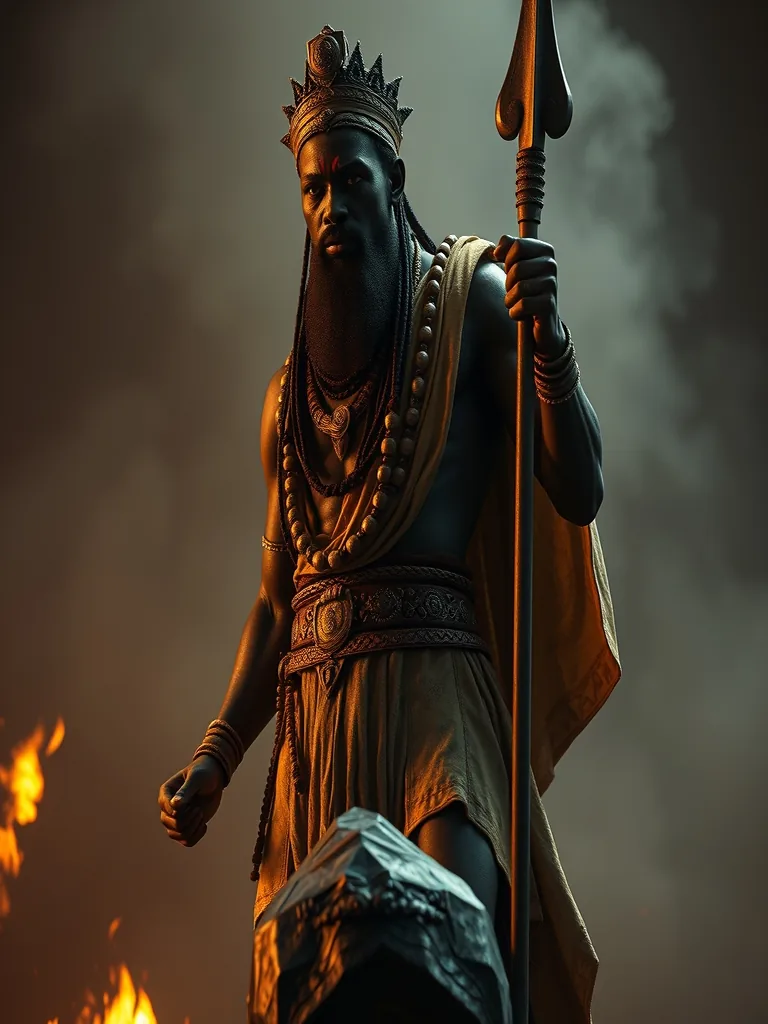
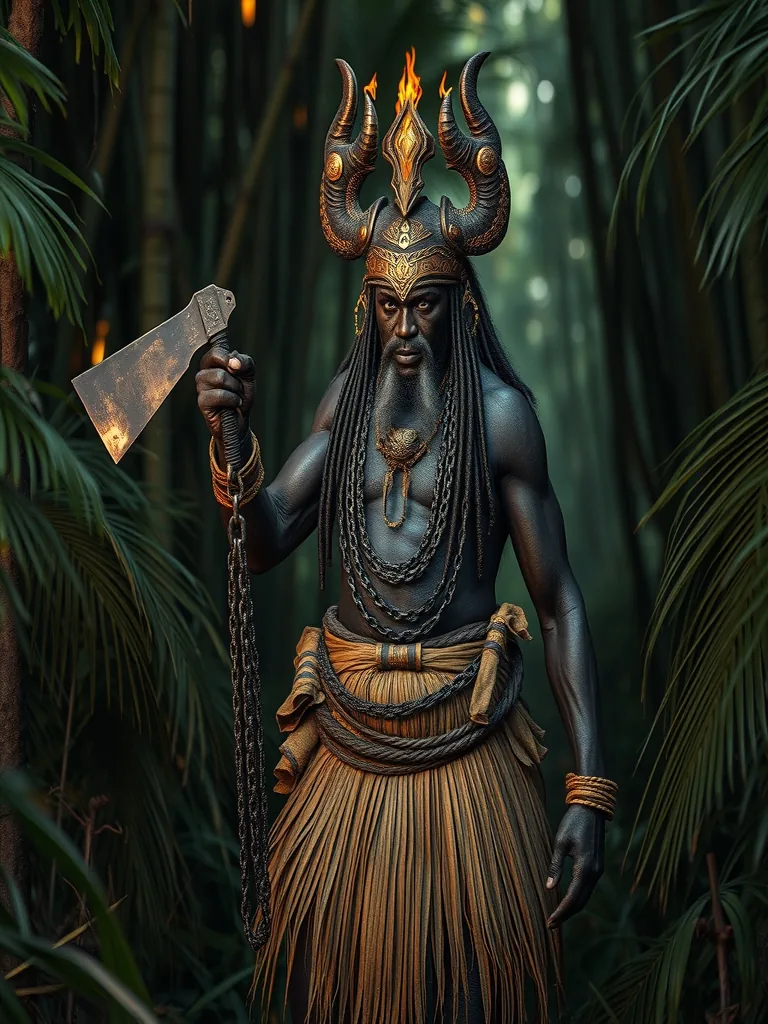
Portrait of Oranyan, Yoruba deity
Yoruba
Tap or drag
Yoruba

Oranyan

The Great Founding Warrior

Domain
War, Conquest & the Founding of Kingdoms
Alignment
Lawful Neutral
Element
Fire
Relics of Power
Spear of Mystery
Speak with Oranyan

The full Codex

5 sections of this entry are open to everyone: the summary, the people, the symbols, the lineage and the sources. The other 9 (Name and epithets, In the ancient sources, The myths, Worship and archaeology, How the god was depicted, What scholars debate, After antiquity, Did you know?, Codex relic) are part of the full Codex: PRO opens the whole study of all 500 deities, and without a subscription you can read one full entry a day, just like in the app.

The People

People
Yoruba people
Region
West Africa & the diaspora
Period
c. 1000 AD – present

The orixás are worshipped by the Yoruba people of present-day Nigeria and Benin, with Ile-Ife as their spiritual center. Through the slave trade, their faith crossed the Atlantic and flourished in the Americas as Candomblé, Santería, and Vodou. It is today one of the most living and widespread African religious traditions in the world.

The Osun festival in Osogbo, Nigeria, draws thousands to the sacred grove of the Osun river, a UNESCO heritage site. The Ifá oracle guides decisions through the odus, and in Brazil the Candomblé terreiros honor each orixá with their own drums, dances, colors, and foods.
At a glance

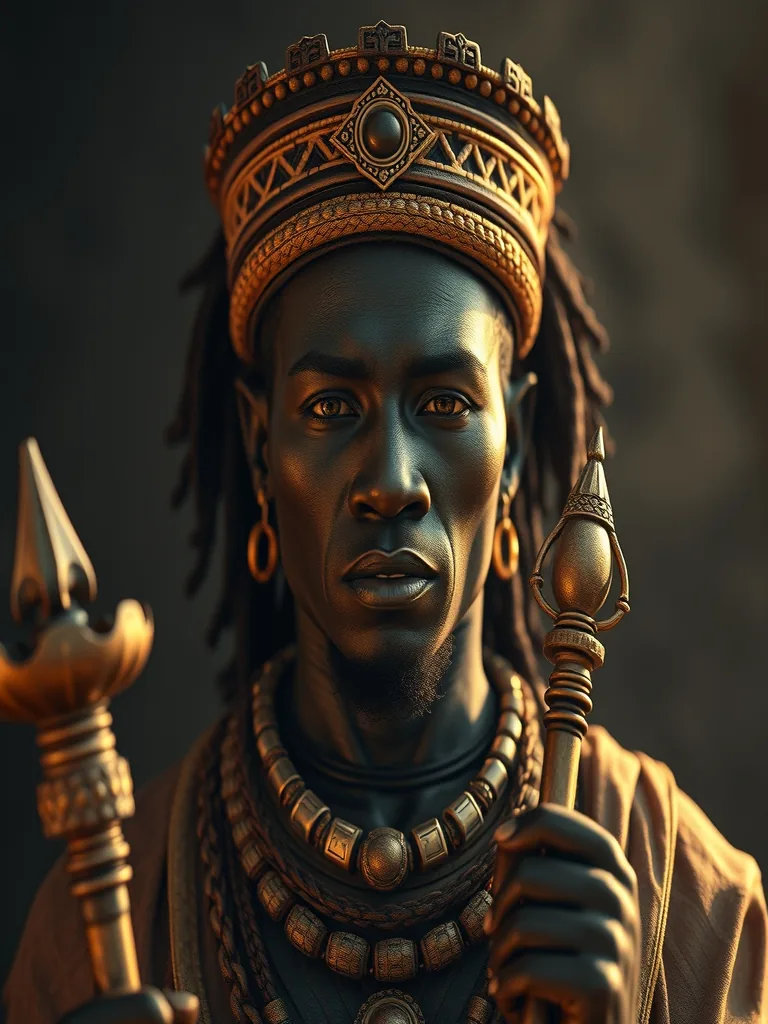
Oranmiyan (in classical Yoruba orthography Ọ̀rànmíyàn, also recorded in ethno-historical sources as Ọ̀rányàn, Oranyan or, in Brazil, Oraniã) is the founding figure most celebrated in the political memory, monumental archaeology and mythology of southwestern Nigeria and the Kingdom of Benin. Recognized in the royal genealogies compiled by the Reverend Samuel Johnson as the valiant military heir of Oduduwa, Oranmiyan played a decisive historical role by leading caravans of horsemen toward the northern savannas, where he marked out the defensive site of Oyó-Ilé and founded the dynasty of the Alaafins, turning Oyó into the most powerful empire on the West African coast. In parallel, the palace tradition of Benin preserved by the chronicler Jacob Egharevba attests to his diplomatic march to the land of Igodomigodo, where he governed at the site of Usama and fathered, with the Edo princess Erinmwinde, the monarch Eweka I, beginning the dynasty of the Obas that endured for centuries. In Ilê-Ifé, the Yoruba spiritual sanctuary, his presence is consecrated by the monumental obelisk Opa Oranmiyan, a megalithic gneiss stela studded with wrought-iron pegs. Venerated as a sacred ancestor and warrior orisha, he embodies dynastic leadership, cavalry strategy and the authority that binds the crowns of Oyó and Benin to the primordial civilizing source.

8 min read · Reviewed on September 29, 2026 · How we research

Sacred symbols

The stone spear, the war horse, the crown of Oyo and the obelisk

Family

Parents
OduduwaOgunLakange Dodondawa (mother of Oranmiyan, captive warrior woman shared between Ogun and Oduduwa)
Siblings
Crowned princes of Ife (mythic brothers who departed to found the historical kingdoms of Ketu, Ila, Alaketu, and Owu)
Oranyan
Unions
Torosi (princess of the Nupe/Tapa realm, consort of Oranmiyan and mother of Shango)Erinbitan (noble matron of Ife, mother of Dada Ajaka)Erinmwinde (Edo princess, daughter of the Enogie of Egor, Oranmiyan's consort in Benin and mother of Eweka I)
Children
Dada Ajaka (second sovereign of Oyo, noted for his peaceful demeanor and thoughtful governance)SangoEweka I (first historical monarch of the new imperial dynasty of Obas of the Kingdom of Benin)
Genealogy according to Samuel Johnson (1921); Jacob U. Egharevba (1934/1968); Frank Willett (1967); Leo Frobenius (1913); Pierre Verger (1957); Robin Law (1977); Corpus de Ifá (Odu Òdí Méjì e Òkànràn Méjì)

Sources and further reading

Primary sources

  • Samuel Johnson, The History of the Yorubas. translation: Lagos: CMS Bookshops (1921), historical chronicles of Oranmiyan, Ifé and the founding of Oyó.
  • Jacob U. Egharevba, A Short History of Benin. translation: Ibadan: Ibadan University Press (1934; 4th ed. 1968), the mission of Oranmiyan and the founding of the dynasty of Eweka I.
  • Leo Frobenius, The Voice of Africa: Being an Account of the Travels of the German Inner African Exploration Expedition. translation: London: Hutchinson & Co. (1913, vol. 1), documentation and measurements of the Opa Oranmiyan monolith in Ifé.
  • Pierre Fatumbi Verger, Dieux d'Afrique: Culte des Orishas et Vodouns. translation: Paris: Paul Hartmann (1954), iconography and praises of Ọ̀rànmíyàn.

Studies

  • Frank Willett, Ife in the History of West African Sculpture. London: Thames and Hudson (1967), archaeological analysis of the Opa Oranmiyan stela, 1967.
  • Robin Law, The Oyo Empire c. 1600 – c. 1836: A West African Imperialism in the Era of the Atlantic Slave Trade. Oxford: Clarendon Press (1977), critical historiography of the origins of Oyó and cavalry, 1977.
  • R. E. Bradbury, Benin Studies. Oxford: Oxford University Press (1973), ethnohistory of relations between Ifé and Benin, 1973.
  • Reginaldo Prandi, Mitologia dos Orixás. Cia. das Letras (2001), myths and deeds of Prince Oraniã, 2001.

Name and epithets

The divine name and royal prenomen Ọ̀rànmíyàn is etymologically composed from the Yoruba aphorism “Ọ̀ràn mi yàn”, which translates as “My cause has triumphed”, “My quarrel has been settled” or “The verdict was in my fav…

In the ancient sources

The History of the Yorubas, 1921 (completed 1897 CE). Samuel Johnson documents the oral traditions preserved by palace bards and elders about the military campaigns of Oranmiyan. A Short History of Benin, 1934 (4th ed.

The myths

The Dual Mythic Paternity and the Skin Divided in Two Colors. According to the famous palace chronicle collected by the Reverend Samuel Johnson and preserved in the oracular verses of Ifá, the conception of Oranmiyan in…

Worship and archaeology

Oranmiyan's cult maintains a civic-religious character of the highest magnitude in the sacred city of Ilê-Ifé and in the imperial palace of Oyó.

How the god was depicted

The visual and archaeological expression of Oranmiyan is dominated by the presence of the Opa Oranmiyan monolith, a gneiss column rising more than four and a half meters above the ground, whose surface bears dozens of w…

What scholars debate

The Historicity of Oranmiyan and the Chronology of the Founding. West African historians such as Robin Law, Frank Willett and Babatunde Agbaje-Williams debate the temporal boundaries of the figure of Oranmiyan.

After antiquity

Oranmiyan is regarded as one of the greatest icons of historical heroism and monarchical dignity in pre-colonial Africa.

Did you know?

In the ceremonial coronation tradition of the Oyó Empire, the new sovereign cannot be anointed Alaafin unless the sacred sword Idá Oranmiyan is carried from Ilê-Ifé to solemnly touch his royal shoulders in the palace.

Codex relic

Spear of Mystery. The spear with which he conquered kingdoms, now raised as the sacred obelisk that guards his name in Ifé.

The rest of this scroll is sealed

The legends, the myth, the cult and relics are part of the full Codex. You can open 1 full entry for free every day; to open all 500 deities with no limits and no ads, subscribe to Codex PRO.

See Codex PROGet it on Google Play

From the same pantheon

View pantheon