Skip to content
CodexMythologia
Back to the Codex
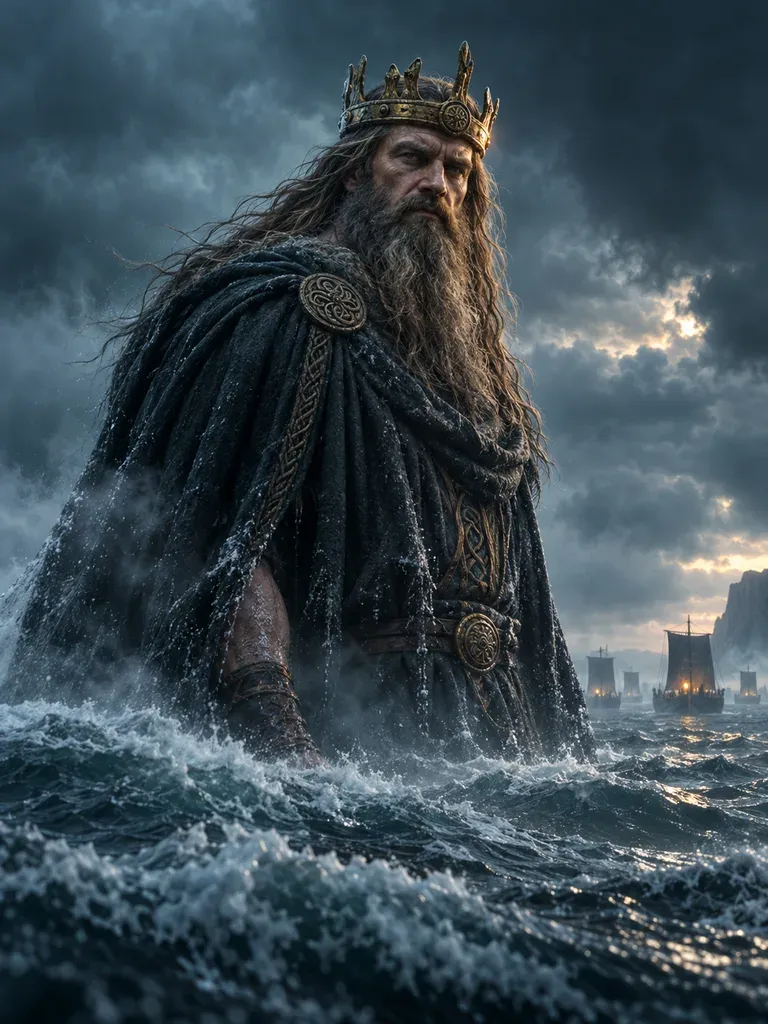
Portrait of Bran the Blessed, Celtic deity
Celtic
Tap or drag
Celtic

Bran the Blessed

King of the Island of the Mighty

Domain
Kingship, Protection & Hospitality
Alignment
True Neutral
Element
Water
Relics of Power
The Noble Head (Yr Urddawl Ben)
Speak with Bran the Blessed

The full Codex

5 sections of this entry are open to everyone: the summary, the people, the symbols, the lineage and the sources. The other 9 (Name and epithets, In the ancient sources, The myths, Worship and archaeology, How the god was depicted, What scholars debate, After antiquity, Did you know?, Codex relic) are part of the full Codex: PRO opens the whole study of all 500 deities, and without a subscription you can read one full entry a day, just like in the app.

The People

People
Celtic peoples
Region
Ireland, Britain & Gaul
Period
c. 500 BC – 500 AD

The Celtic gods were worshipped by the peoples of Ireland, Britain, and Gaul, with the aid of the druids, their priestly caste. They venerated them in sacred groves, springs, and wells, without great stone temples. Many of their myths survived in the Irish and Welsh sagas, recorded by medieval monks.

The Celtic wheel of the year turned on four great fire festivals: Samhain, the origin of Halloween, opened winter and contact with the dead; Imbolc, Beltane, and Lughnasadh marked spring, summer, and the harvest. The druids led the rites in sacred groves called nemeton.
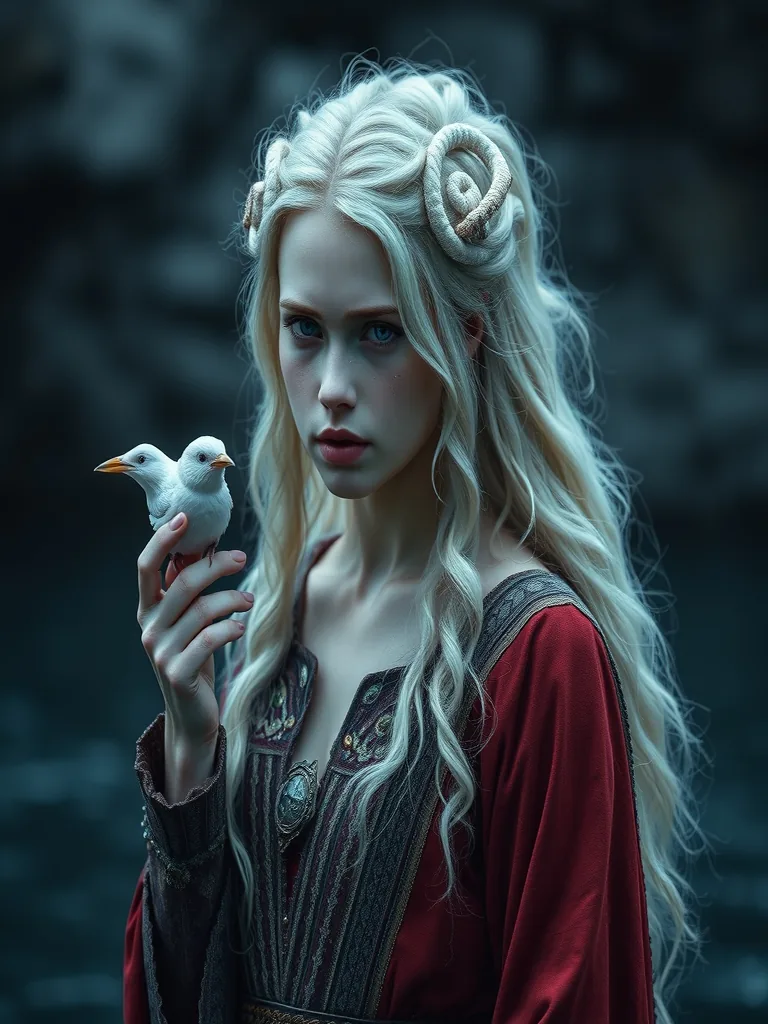
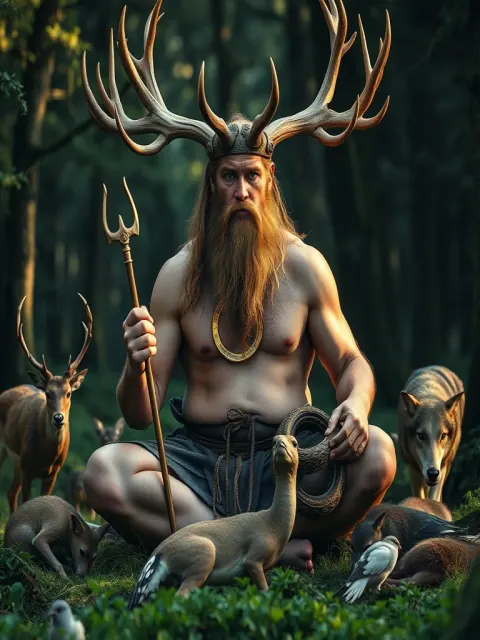
At a glance

Brân the Blessed (Middle Welsh: Bendigeidfran or Brân fab Llŷr) is the paramount colossal sovereign and mythic hero of Brittonic insular tradition, celebrated in the Second Branch of the Mabinogi (Branwen ferch Llŷr) as the crowned High King of the Island of the Mighty (Ynys y Cedyrn, Britain) holding court in London. Possessing an immense giant stature that no human house or sailing vessel could accommodate, Brân personifies self-sacrificing leadership, unyielding protection, and the royal duty to serve as a literal bridge for one's people (A fo ben, bid bont). When his beloved sister Branwen was subjected to humiliation and domestic servitude in the royal bakery of Ireland following Efnisien's wanton provocation, Brân led the host of Britain across the Irish Sea on foot, wading through shallow coastal waters while his armada sailed beside him. Arriving at the impassable River Linon, whose lodestone-lined bed sank all watercraft, Brân laid his colossal frame across the current so that hurdles could be set upon his back for the entire British host to march safely into Ireland. Mortally wounded in the foot by a poisoned dart during the catastrophic battle of the hundred-pillared house, Brân commanded his seven surviving champions to sever his head and convey it across Britain: for seven joyous years they feasted at Harlech listening to the magical Birds of Rhiannon, and for eighty years they dwelt unaging in the hall of Gwales in Pembrokeshire beside the uncorrupted, talking head. Finally, his sacred relic was entombed on the White Mount (Gwynfryn) in London, oriented toward France to safeguard the kingdom from foreign invasion.

7 min read · Reviewed on September 30, 2026 · How we research

Sacred symbols

The crowned head, the raven, the cauldron of rebirth and the bridge over the river

Family

Parents
Llŷr Llediaith (mythic sovereign of Brittonic ocean depths)Penarddun (daughter of Beli Mawr and dynastic ancestress of Britain)
Siblings
BranwenManawydan fab Llŷr (wise brother and inheritor of magical lore)Nisien (half-brother of peaceful and just nature)Efnisien (discordant half-brother whose rancor provoked war)
Bran the Blessed
Children
Caradawc fab Brân (royal son left as chief steward of Britain)
Genealogy according to Pedeir Keinc y Mabinogi (Branwen ferch Llŷr); Trioedd Ynys Prydein (Tríades 37 e 53); Llyfr Taliesin

Sources and further reading

Primary sources

  • Lady Charlotte Guest (ed. and trans.), The Mabinogi: Branwen the Daughter of Llyr (The Reign of Bendigeidfran and the Journey of the Head). translation: Full version of the heroic legend at Sacred-Texts (Charlotte Guest's Mabinogion). read
  • Lady Charlotte Guest (scholarly apparatus of notes), The Mabinogion: Notes to Branwen the Daughter of Llyr (The White Mount and Harlech). translation: Published in London by Bernard Quaritch, 1877 (digital edition Sacred-Texts). read
  • Rachel Bromwich (critical ed. and trans.), Trioedd Ynys Prydein: The Welsh Triads (Triad 37 on the Concealment of Brân's Head). translation: University of Wales Press, Cardiff, 1961 (Internet Archive). read
  • William F. Skene (compilation of the four ancient books), The Four Ancient Books of Wales (Traditional Elegies and Bardic Poems on Brân). translation: Scottish edition printed by Edmonston and Douglas (Internet Archive). read

Studies

  • Sir John Rhys (Chair of Celtic Studies at Oxford), Celtic Folklore: Welsh and Manx (Topographical traditions about the head of Bendigeidfran). Clarendon Press, Oxford, 1901. open
  • John Arnott MacCulloch, The Religion of the Ancient Celts (Chapter on the Gods of Llŷr and the Giant King Brân). T. & T. Clark, Edinburgh, 1911. open
  • Charles Squire, Celtic Myth and Legend, Poetry and Romance (The Colossal King Brân and the Island of Gwales). Gresham Publishing Company, London, 1905. open
  • Proinsias Mac Cana, Celtic Mythology (The Heroic Tradition of Brân and the Archetype of Sacrificial Sovereignty). Hamlyn, London, 1970. open

Name and epithets

The Middle Welsh royal name Bendigeidfran represents a compound formed from the adjective bendigaid ('blessed', 'consecrated', borrowed from Latin benedictus) and the noun brân ('raven', 'crow', deriving from Proto-Celt…

In the ancient sources

Pedeir Keinc y Mabinogi: Branwen ferch Llŷr, 11th–12th centuries CE manuscript compilation.. Primary narrative detailing the Harlech court, the oceanic wading, the living bridge over the Linon, and the assembly of the h…

The myths

The Court of Harlech and the Gift of the Cauldron of Rebirth. The Second Branch of the Mabinogi begins upon the dramatic coastal rock of Harlech in Ardudwy, where King Bendigeidfran sat overlooking the sea alongside his…

Worship and archaeology

The veneration of Brân the Blessed represents the supreme embodiment of archaic British kingship and territorial defense.

How the god was depicted

In Welsh visual tradition and literary descriptions, Bendigeidfran is imagined as a dark-bearded giant of noble bearing and immense proportions, clad in dark wool mantles that billow like raven wings.

What scholars debate

Arthur's Unearthing and the Loss of Talismanic Defense. Triad 37 of the Welsh Triads records that King Arthur dug up the head of Brân from the White Mount, proudly proclaiming that Britain should be defended by human ma…

After antiquity

Brân the Blessed has exerted an enduring influence on Welsh national identity and modern fantasy fiction. The proverb A fo ben, bid bont is widely adopted in Welsh public discourse as a motto for self-sacrificing leader…

Did you know?

The Welsh maxim 'A fo ben, bid bont' ('He who would be leader, let him be a bridge') uttered by Brân at the River Linon remains one of the most famous proverbs in the Welsh language today.

Codex relic

The Noble Head (Yr Urddawl Ben). Brân's incorruptible head, which went on speaking and feasting with his companions and was buried in London to repel invasions.

The rest of this scroll is sealed

The legends, the myth, the cult and relics are part of the full Codex. You can open 1 full entry for free every day; to open all 500 deities with no limits and no ads, subscribe to Codex PRO.

See Codex PROGet it on Google Play

From the same pantheon

View pantheon