CMCodex
Back to the Codex
Mayahuel
Aztec

Mayahuel

The Goddess of the Maguey

Domain
Maguey, Fertility & Intoxication
Alignment
Neutral Good
Element
Earth
Relics of Power
The Four Hundred Breasts
Speak with Mayahuel

The People

People
Aztecs (Mexica)
Region
Central Mexico
Period
14th – 16th c.

The Aztec gods were worshipped by the Mexica people from their capital, Tenochtitlan, in central Mexico. They believed the sun would only move if fed with blood, which led to the famous sacrifices atop pyramid-temples. Their world was cut short by the Spanish conquest in the 16th century.

The 18-month ritual calendar brought festivals such as Toxcatl, in which a youth lived for a year as the embodiment of Tezcatlipoca. Every 52 years, the New Fire Ceremony extinguished every flame in the empire, rekindled from a single bonfire to prevent the end of the world.
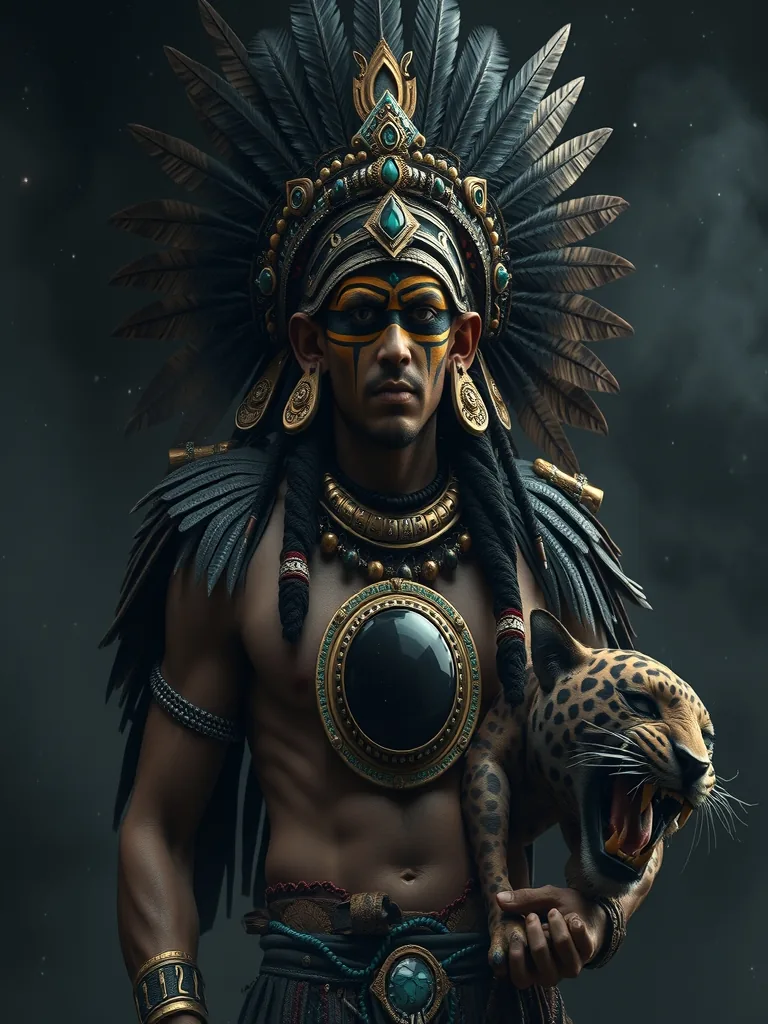
The Sacred Scrolls

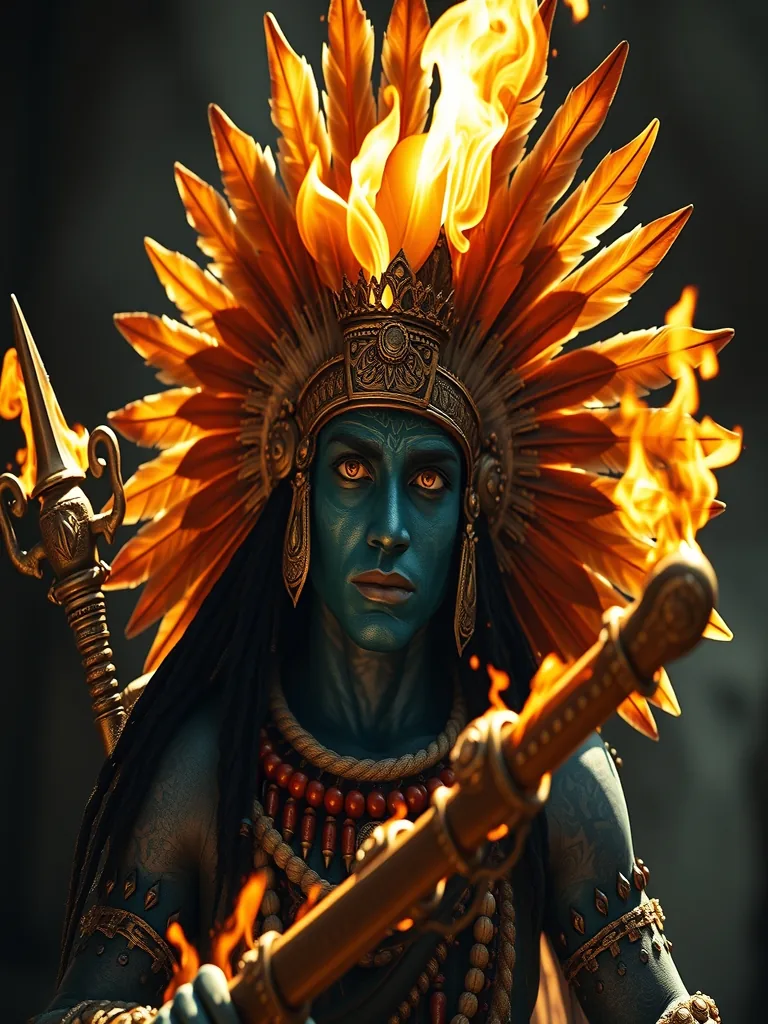
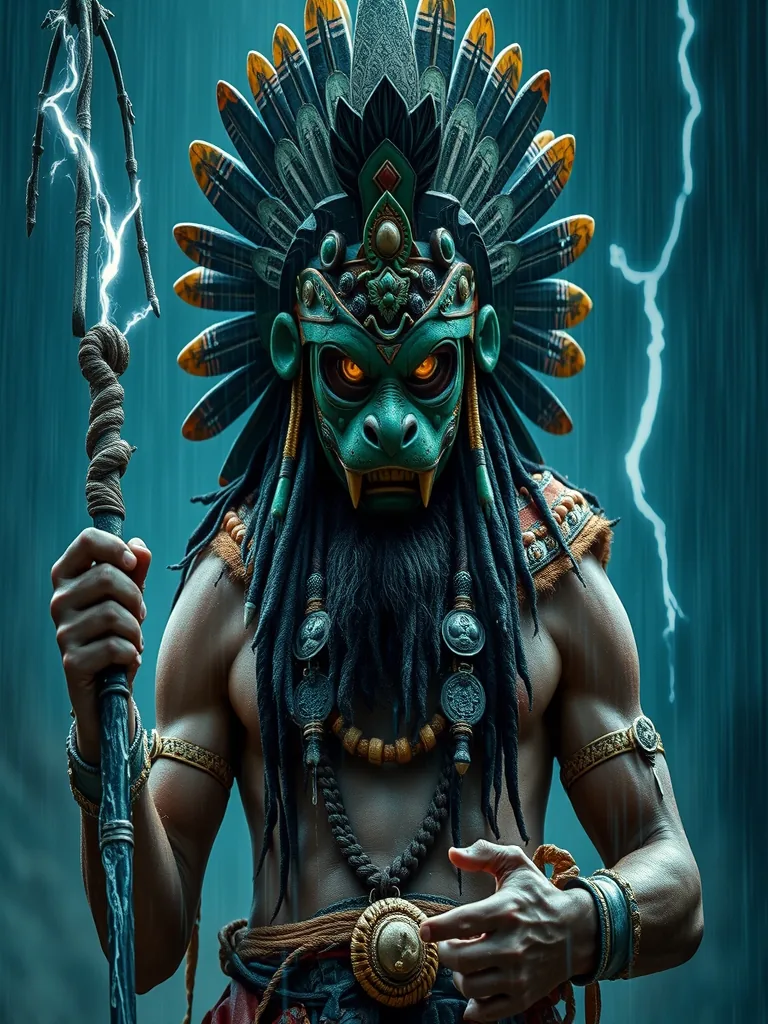
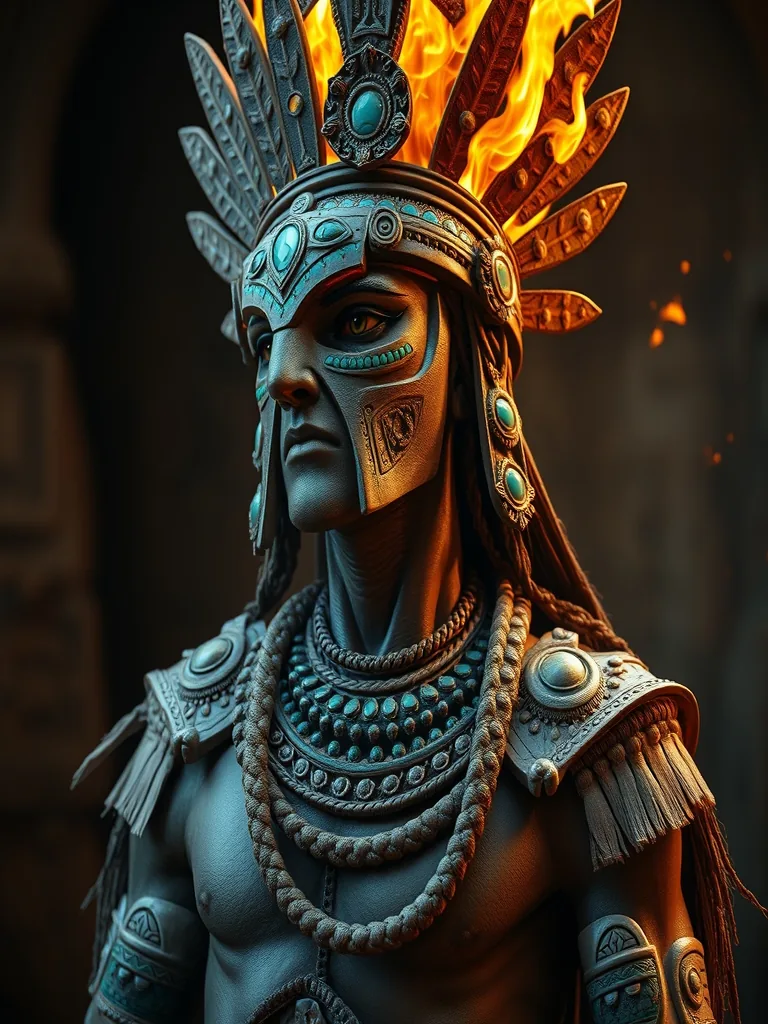
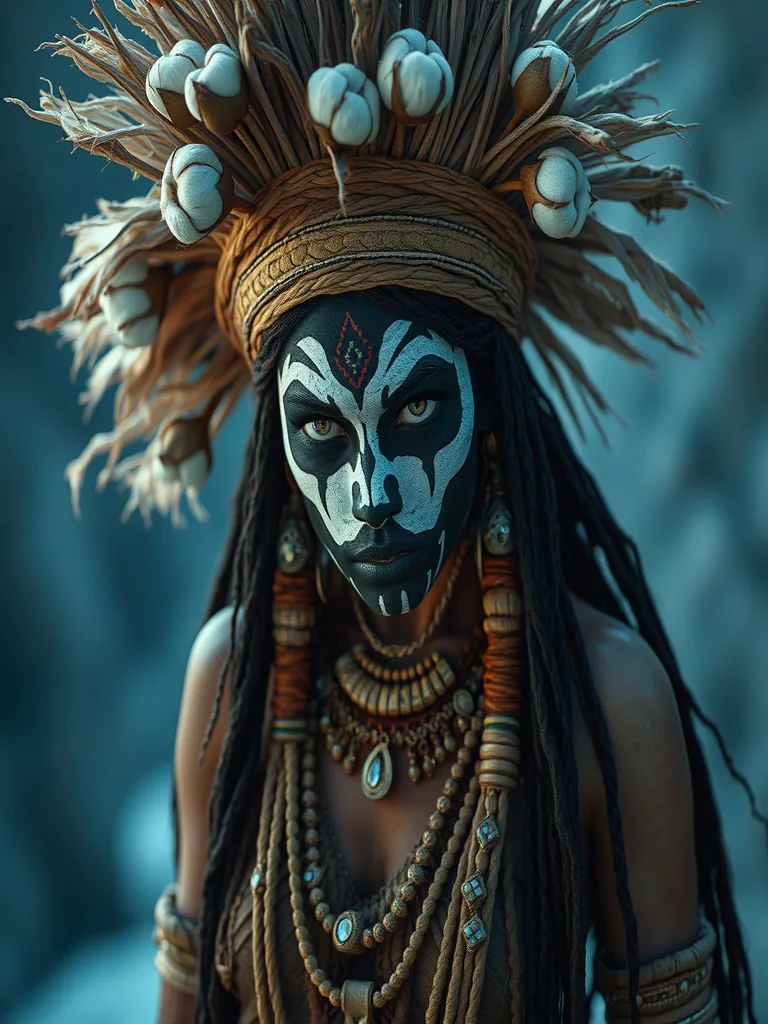
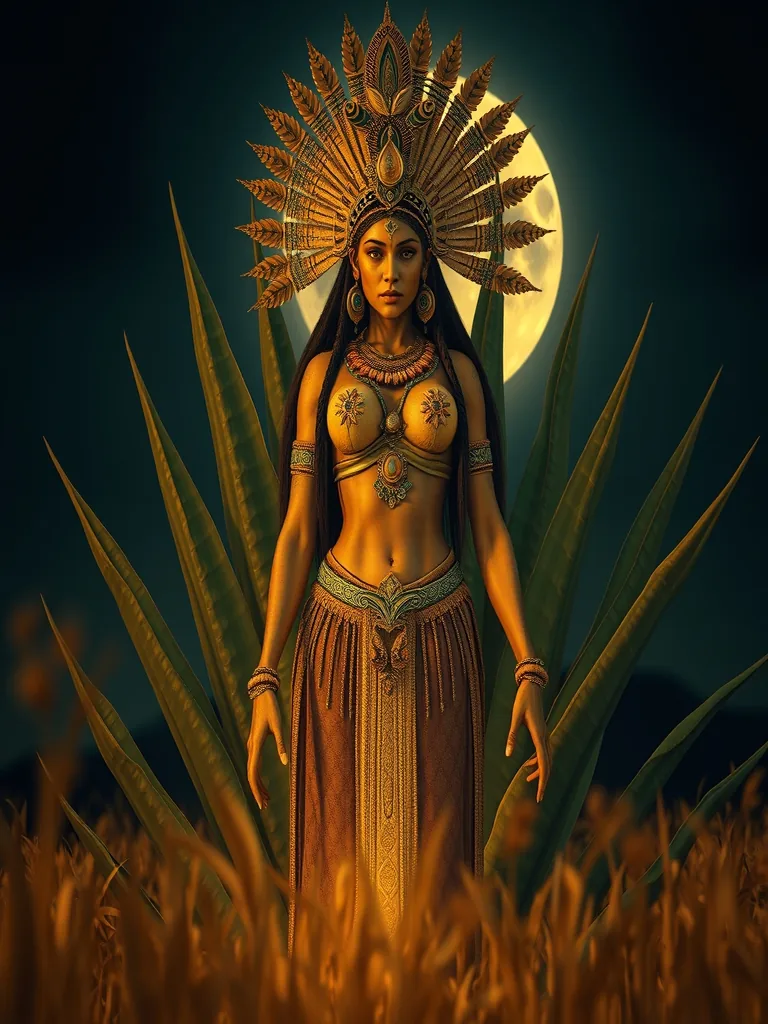
Goddess of the maguey, the agave plant from which pulque is drawn, Mayahuel is the deity of fertility and sacred intoxication. Depicted with countless breasts, she nourishes both her divine children and humankind with the sap of life. She is the personification of the earth's generosity and of the ritual drink of the Aztecs. As The Goddess of the Maguey, this deity occupies a position of supreme prestige in the astecas pantheon. Their domains over Maguey, Fertility & Intoxication reflect ancestral cosmic order maintained across millennia. In classical iconography, they are depicted with an aura of unshakeable majesty and sacred attributes that inspired reverence in emperors and peasants alike. Their influence extended beyond earthly boundaries, governing fates and harmony between the visible and invisible worlds. For ancient devotees, contemplating their essence was to understand the very fundamental forces of nature and human existence.

Sacred Symbols

The agave plant, the four hundred breasts, the bowl of pulque and the turtle

Divine Lineage

Wife of Patecatl, god of pulque; mother of the Centzon Totochtin, the 400 rabbits.

The Legendary Myth

Quetzalcoatl, wishing to give joy to humankind, fled the heavens with the young Mayahuel, and the two descended to earth entwined like a tree of two branches.

Legends & Deeds

A celebrated secondary legend preserved in the oral traditions of the astecas recounts the journey when Mayahuel intervened directly in the lives of mortals.

Cult & Worship

Historically, the cult of Mayahuel occupied a central place in the religious and architectural calendar of antiquity.

Relics of Power

The countless breasts with which she nurses her divine children and makes the maguey's intoxicating sap flow.

Did You Know?

Her children, the Centzon Totochtin or 'four hundred rabbits', were the gods of drunkenness — each level of inebriation had its own divine rabbit.

The rest of this scroll is sealed

The myth, the legends, the cult, the relic and the curiosity are part of the full Codex. Without a subscription you open 3 scrolls a day.

See Codex PRO

From the same pantheon

View pantheon