CMCodex
Back to the Codex
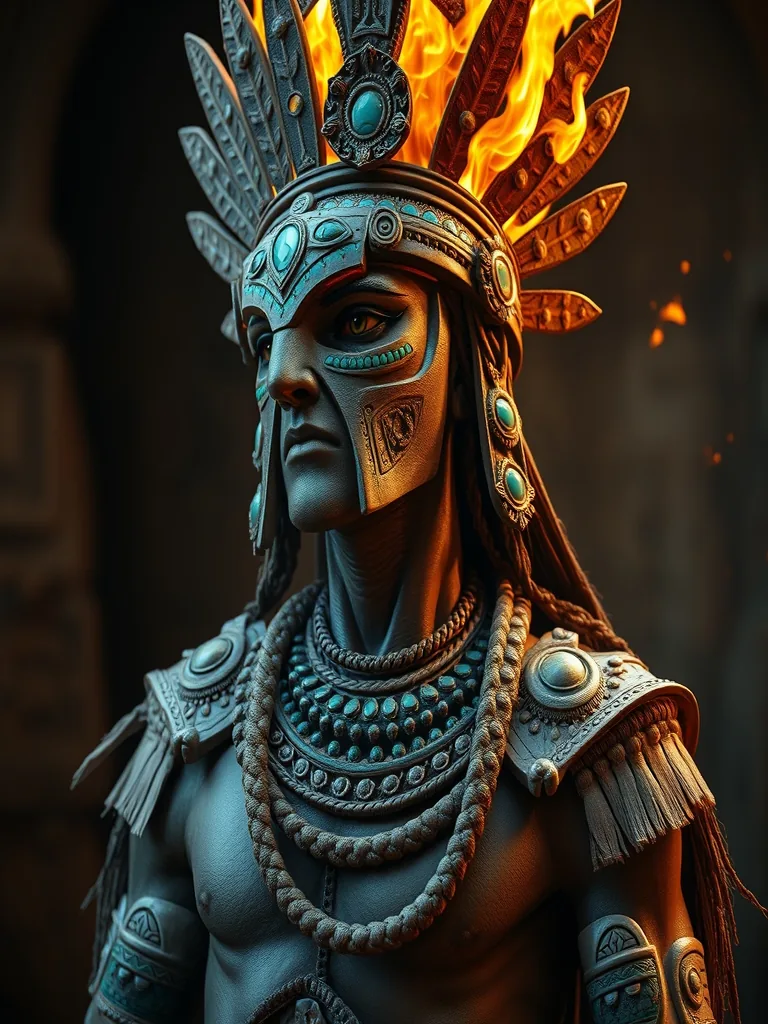
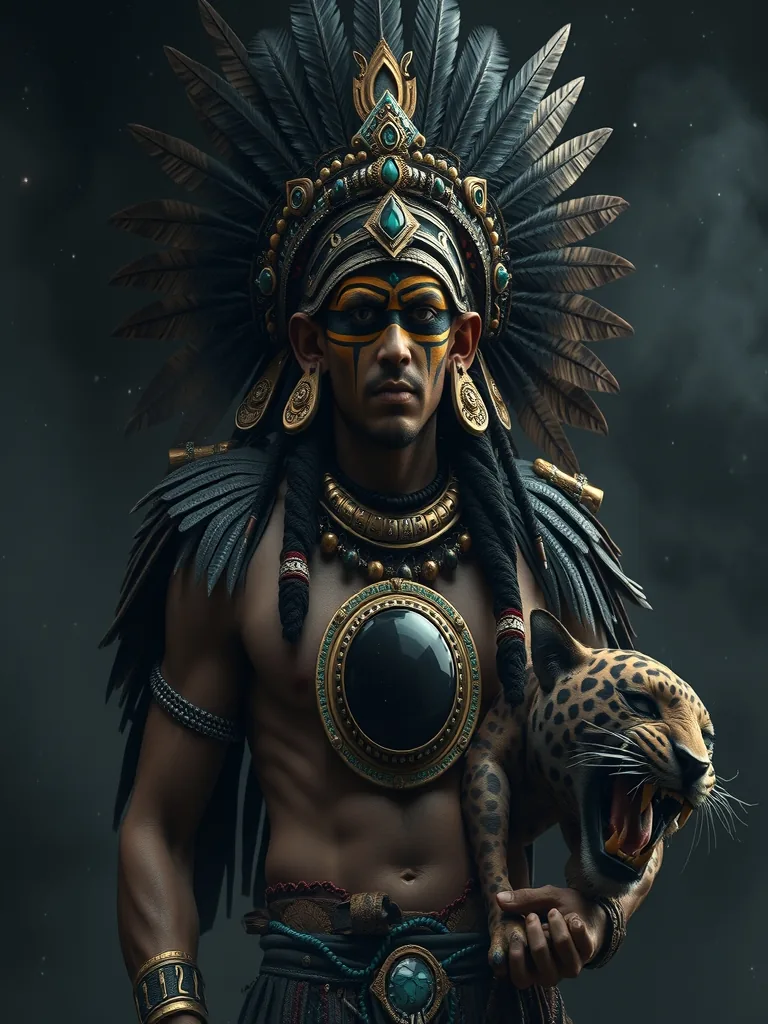
3D relief portrait of Huitzilopochtli
Aztec
Tap or drag
Aztec

Huitzilopochtli

The Sun God of War

Domain
Sun, War & Sacrifice
Alignment
Lawful Neutral
Element
Fire
Relics of Power
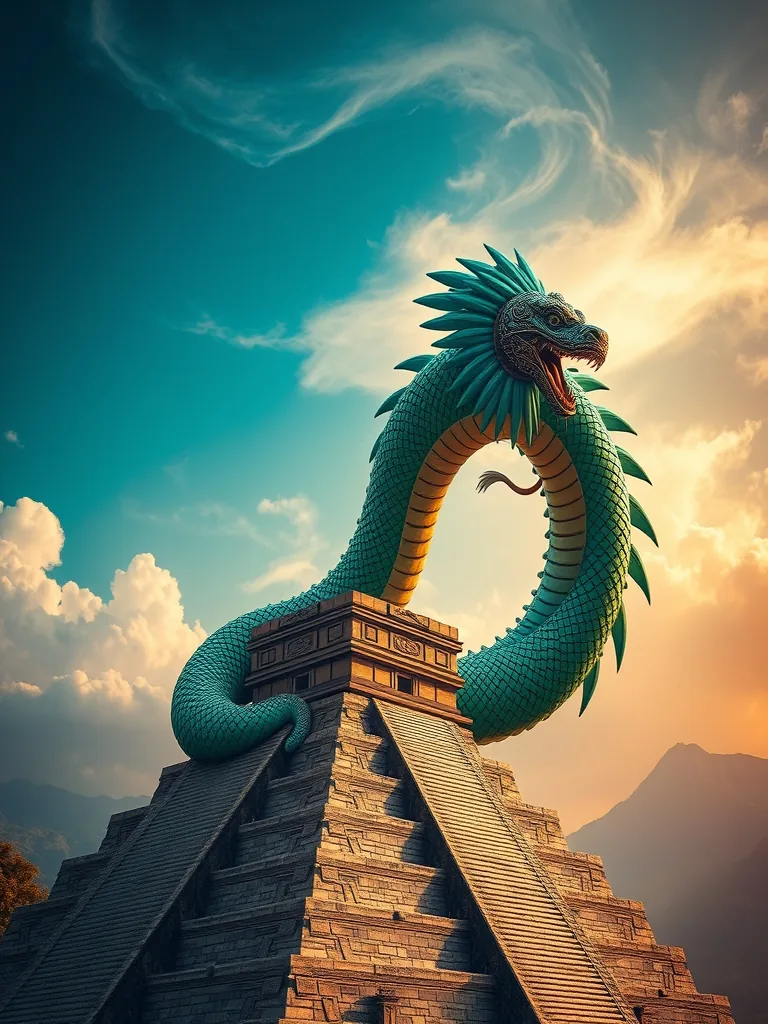
Fire Serpent Xiuhcoatl
Speak with Huitzilopochtli

The People

People
Aztecs (Mexica)
Region
Central Mexico
Period
14th – 16th c.

The Aztec gods were worshipped by the Mexica people from their capital, Tenochtitlan, in central Mexico. They believed the sun would only move if fed with blood, which led to the famous sacrifices atop pyramid-temples. Their world was cut short by the Spanish conquest in the 16th century.

The 18-month ritual calendar brought festivals such as Toxcatl, in which a youth lived for a year as the embodiment of Tezcatlipoca. Every 52 years, the New Fire Ceremony extinguished every flame in the empire, rekindled from a single bonfire to prevent the end of the world.
The Sacred Scrolls

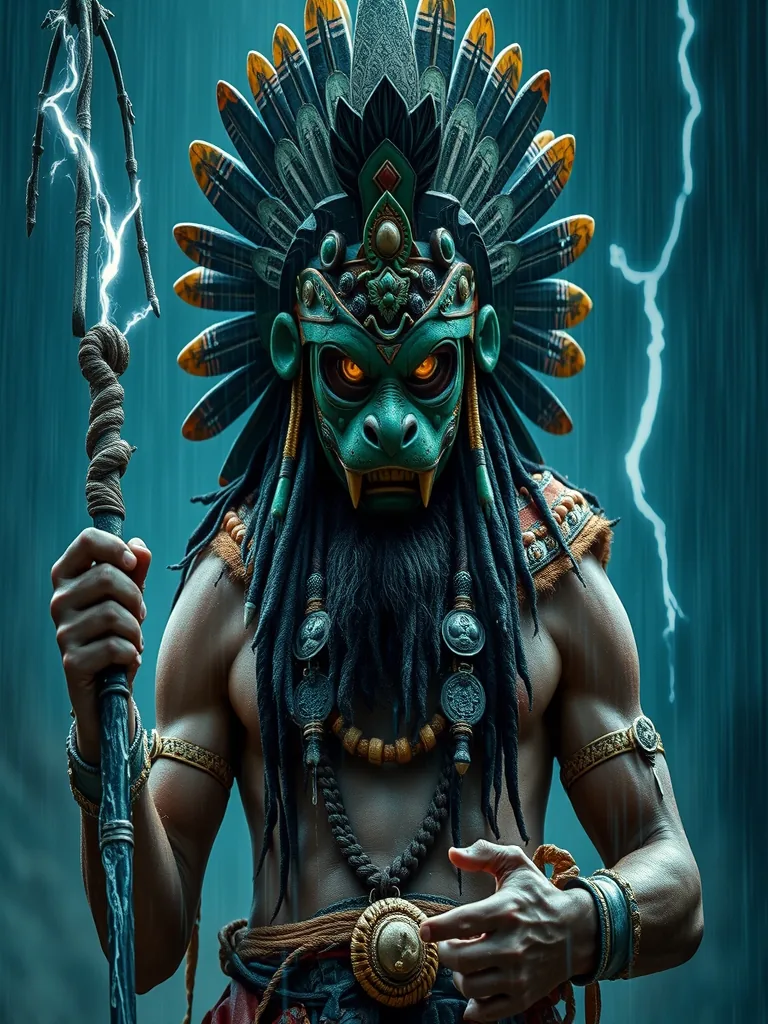
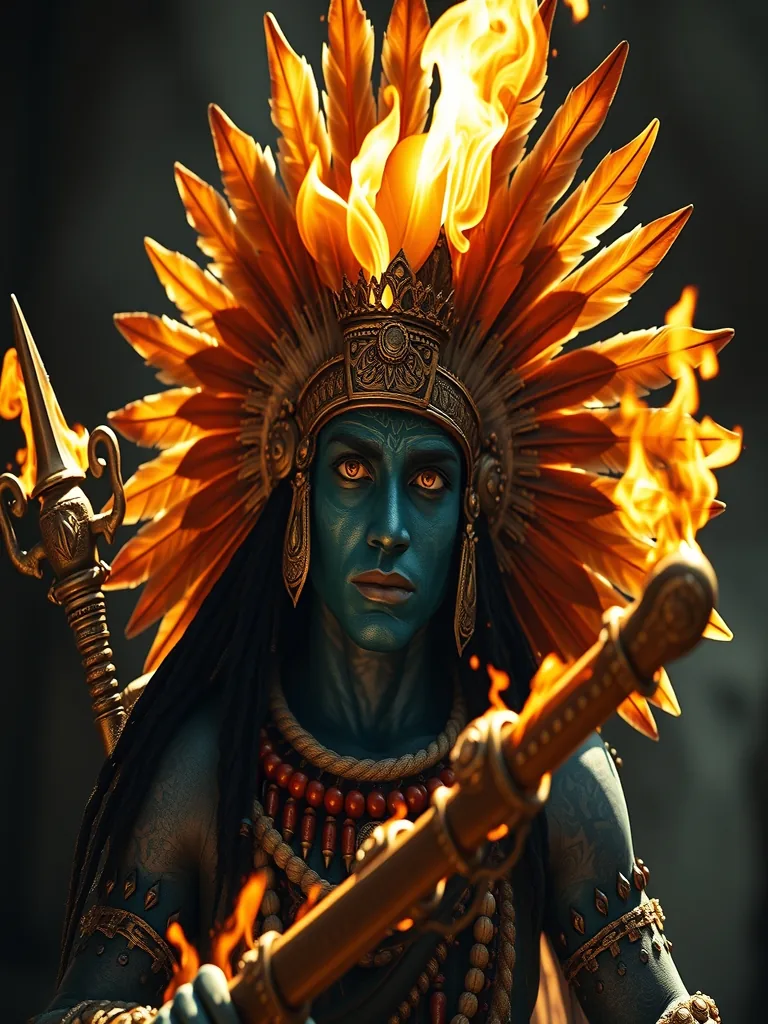
God of the sun, of war, and supreme patron of the Aztecs, Huitzilopochtli is the deity who guided his people to the founding of Tenochtitlan. As the warrior sun, he demands continuous blood and sacrifices to maintain the necessary strength in the eternal struggle against darkness. His divine presence inspires both reverential terror and unshakeable courage in his followers. Visually, he is imposing, adorned with hummingbird feathers and wielding cosmic flames. He personifies the iron will of the Mexica Empire and the relentless need for survival through strength. His essence is the very vital energy that sustains the cosmos and prevents the end of the world.

Sacred Symbols

The hummingbird, the fire serpent, the sun and the eagle

Divine Lineage

Son of the great mother goddess Coatlicue, born miraculously. He is the brother and arch-enemy of Coyolxauhqui, the moon goddess, and of the Centzon Huitznahua, the four hundred stellar gods of the south.

The Legendary Myth

The legend of his birth is the central myth of the Aztec cosmos. The goddess Coatlicue miraculously became pregnant after tucking a mysterious ball of feathers into her bosom. Her other children, led by the ruthless Coyolxauhqui, considered this a deep dishonor and decided to murder their own mother. At the exact moment of the attack on Mount Coatepec, Huitzilopochtli emerged from the maternal womb. He was not born as a baby, but as an adult warrior, formidable and fully armed. Wielding the fire serpent Xiuhcoatl, he struck devastating blows against his siblings. Coyolxauhqui was beheaded, and her dismembered body rolled down the mountain, while her head was hurled into the sky to become the moon. The surviving brothers were scattered and became the stars, forever fleeing the brilliance of the new sun.

Legends & Deeds

A secondary saga recounts his leadership during the long pilgrimage of the Mexica. For generations, Huitzilopochtli guided his people in the form of a sacred idol carried by priests, whispering prophecies and ordering battles. He demanded absolute discipline and punished traitors with famine and disease. The journey culminated at Lake Texcoco, where he ordered the capital to be built at the exact spot where an eagle devoured a serpent on a cactus. This event not only marked the founding of Tenochtitlan, but consecrated the blood alliance between the god and the Empire. His protection transformed a wandering tribe into the most powerful civilization in Mesoamerica.

Cult & Worship

The center of Huitzilopochtli's cult was the Templo Mayor in the heart of Tenochtitlan, which he shared with Tlaloc. During the festivities, massive offerings were dedicated to the solar god to ensure military victory. The festival of Panquetzaliztli celebrated his mythical triumph, with grand processions and ceremonial races through the city streets. Contemporary blood rituals are neither practiced nor taught, but his archaeological importance is undeniable, with excavations revealing stunning artifacts around his altar. The impact of his cult entirely shaped the political and military organization of the Aztecs, becoming the pillar of the State.

Relics of Power

A weapon-serpent of solar fire with which he strikes down enemies and moves the sun itself. Forged in primordial flames, it radiates the scorching heat of the desert and the fury of battles. Its mystical power is capable of piercing the nocturnal darkness, ensuring the victory of light.

Did You Know?

His name can be translated as 'Hummingbird of the South' or 'Left-handed Hummingbird'. The eagle on the cactus, his divine sign, is immortalized to this day in the center of the Mexican flag. It was believed that warriors killed in battle reincarnated as hummingbirds after accompanying the sun for four years.

From the same pantheon

View pantheon