CMCodex
Back to the Codex
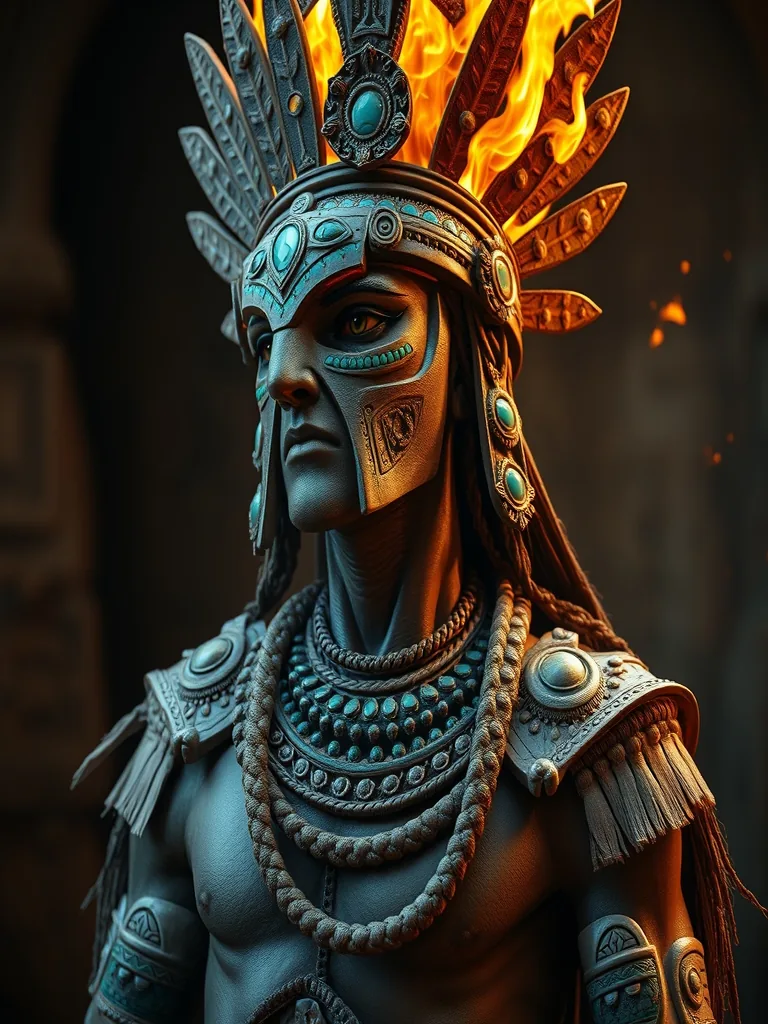
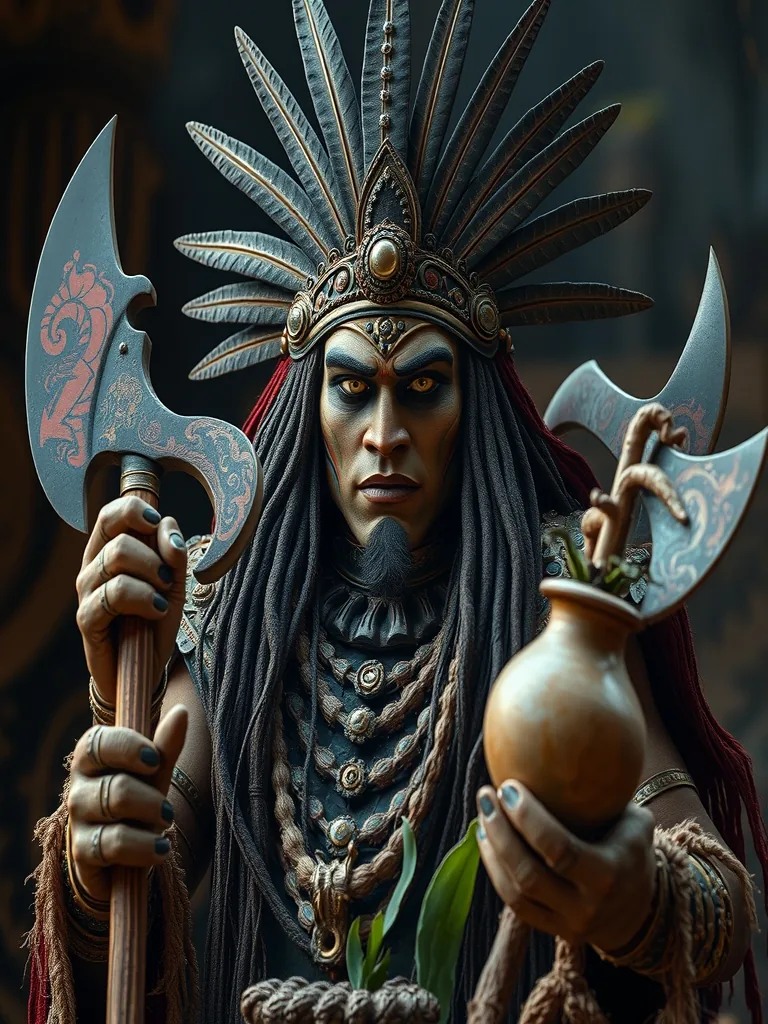
3D relief portrait of Tlaloc
Aztec
Tap or drag
Aztec

Tlaloc

The Lord of Rain and Lightning

Domain
Rain, Fertility & Lightning
Alignment
True Neutral
Element
Water
Relics of Power
Jars of the Waters
Speak with Tlaloc

The People

People
Aztecs (Mexica)
Region
Central Mexico
Period
14th – 16th c.

The Aztec gods were worshipped by the Mexica people from their capital, Tenochtitlan, in central Mexico. They believed the sun would only move if fed with blood, which led to the famous sacrifices atop pyramid-temples. Their world was cut short by the Spanish conquest in the 16th century.

The 18-month ritual calendar brought festivals such as Toxcatl, in which a youth lived for a year as the embodiment of Tezcatlipoca. Every 52 years, the New Fire Ceremony extinguished every flame in the empire, rekindled from a single bonfire to prevent the end of the world.

The Sacred Scrolls

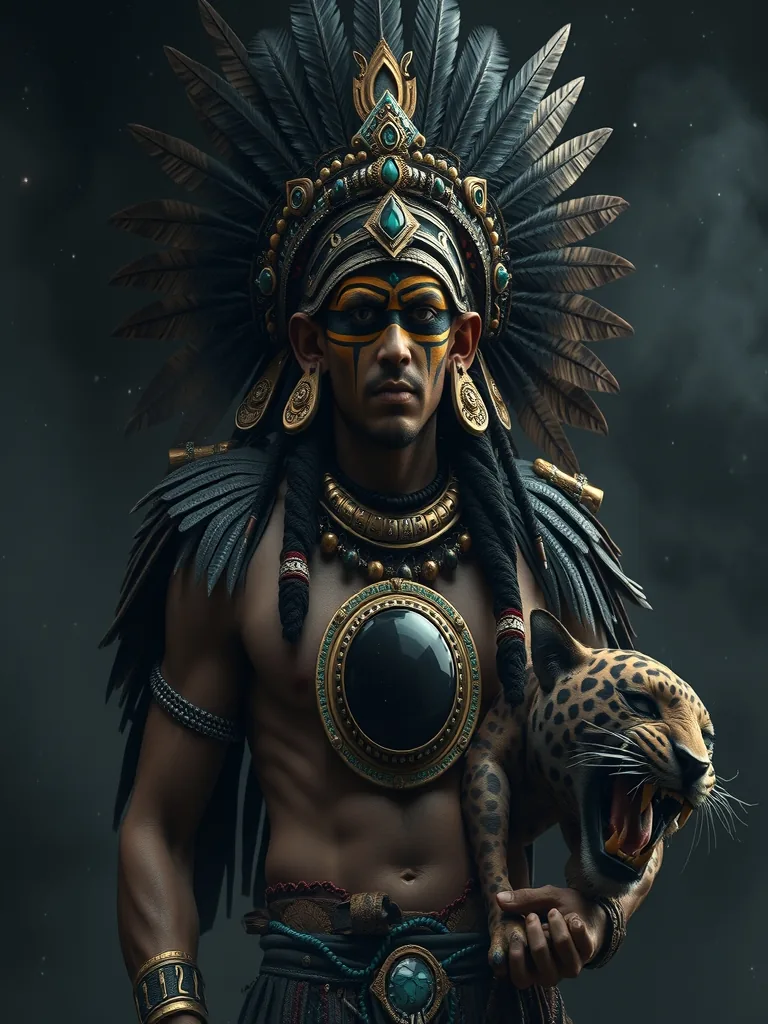
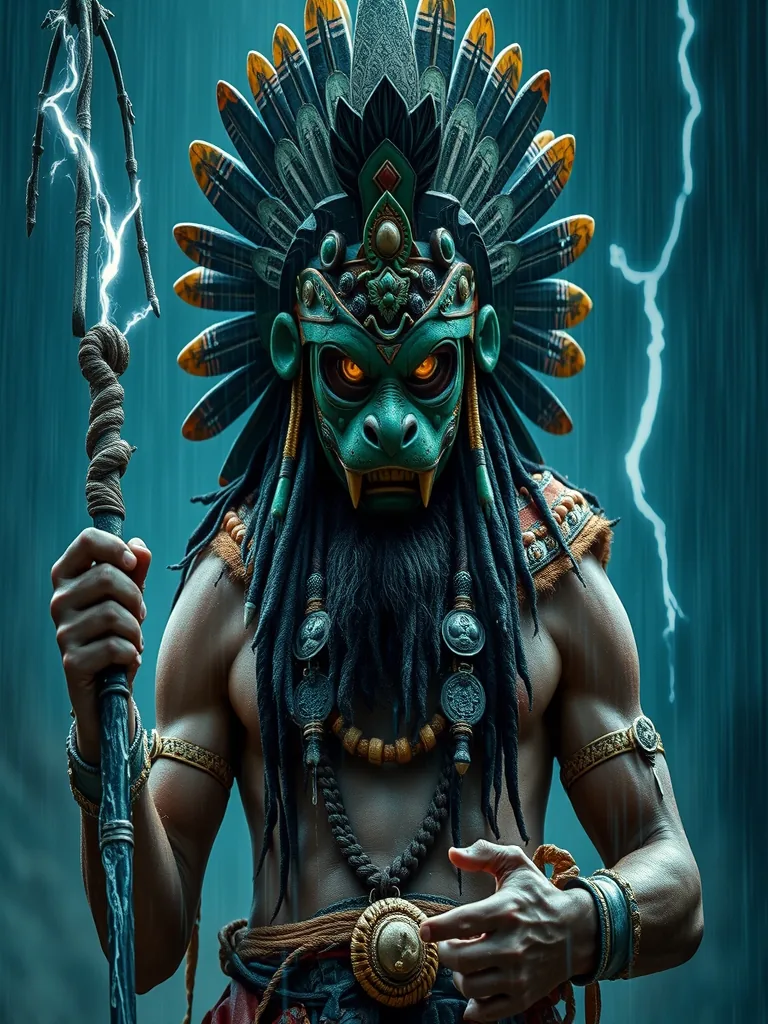
Supreme god of rain, water, and agricultural fertility, Tlaloc is one of the oldest, most vital, and feared deities in Mesoamerica. The harvests intrinsically depend on him, as he decides between sending nourishing fertile rain or annihilating devastating drought. He is an impersonal force of nature, benevolent and cruel in equal measure, reflecting the volatile temperament of the climate. Visually, he is easily recognized by his striking goggle-like eyes and sharp fangs. Ruling from the heights of misty mountains, he watches the mortals' work in the fields. He is the bedrock of sustenance, demanding constant appeasement.

Sacred Symbols

The goggle eyes (rings), the lightning, the raindrops and the jade

Divine Lineage

Husband of Chalchiuhtlicue, the goddess of sweet waters (and in some versions, was a partner of Xochiquetzal). He rules the paradise known as Tlalocan.

The Legendary Myth

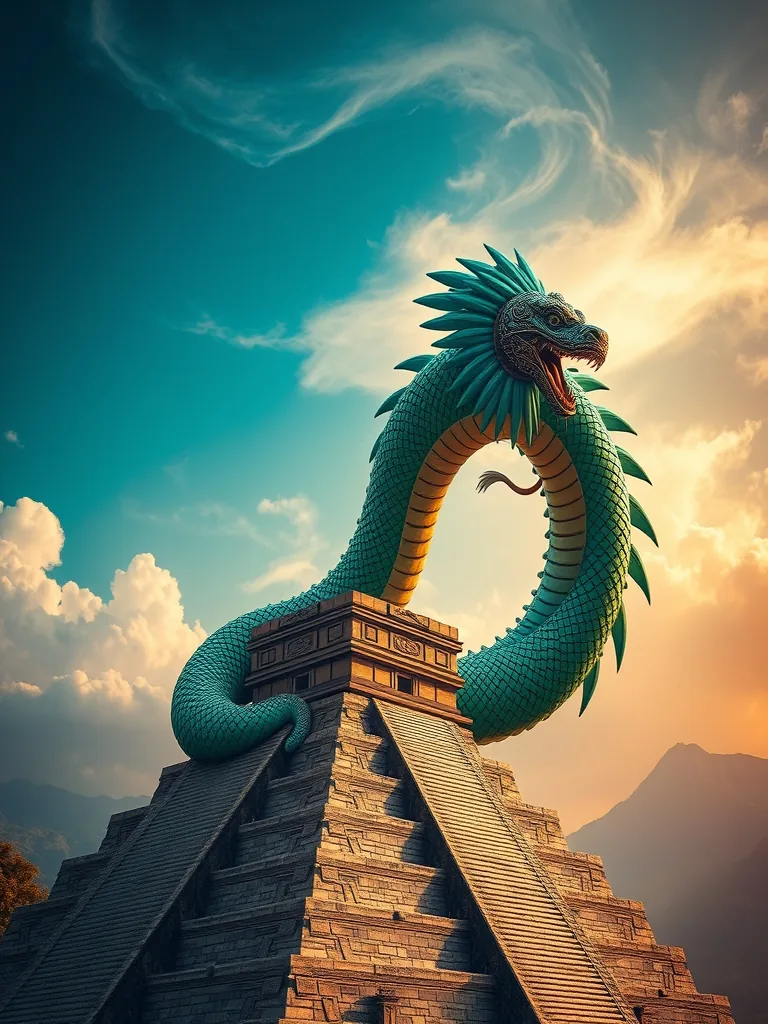
Tlaloc sovereignly ruled over Tlalocan, a verdant and eternally flowering paradise reserved for those who died from water-related causes, such as drownings, storms, or lightning strikes. In one of the mythical eras, Tlaloc was the sun that illuminated the world, ruling firmly until Quetzalcoatl struck him down from the heavens, replacing him with another deity. Furious at the offense and his deposition, Tlaloc refused to send rain to the earth, causing a terrible drought that threatened all life. When the gods begged for his forgiveness, he responded by sending not rain, but a shower of incandescent fire that consumed the earth and ended that cosmic era, purifying the world for the next cycle. During the great age of Aztec myths, Tlaloc performed extraordinary deeds defending cosmic balance against forces of destruction. It is told that when an ancestral threat emerged from the ends of the world, Tlaloc wielded power over Rain, Fertility & Lightning, summoning divine elements and turning the tide of battle. Ancient bards and poets sang the glory of this combat, highlighting the wisdom and bravery demonstrated before the assembled gods themselves. The triumph consolidated their eternal authority and sealed an inviolable pact of protection over mortal realms, remembered across all subsequent generations.
Legends & Deeds

A notable legend involves the creation of pulque and disputes with other gods. In ancient times, Tlaloc used his lightning bolts to split the great mountain where the gods had hidden maize, freeing the sacred grain for nascent humanity. However, the impact of his lightning scorched some of the maize, which explained the existence of darker-colored ears. Tlaloc frequently clashed with the wind deities, proving that his stormy fury could not be easily contained even by other immortals. His colossal strength shaped the valleys and rivers that cut across the Mexican landscape to this day.

Cult & Worship

The Templo Mayor had two shrines at the top, the northern one exclusively dedicated to Tlaloc, painted vibrant blue. During major festivals, homages were paid at the peak of Mount Tlaloc, a sacred elevation dedicated to the god. The festival of Atlcahualo opened the agricultural cycle with solemn reverences to invoke generous rains. Historically, archaeologists have discovered incredibly rich underwater offerings in volcanic lakes and cenotes, evidencing the sacred fear he inspired. No active rituals are instructed, focusing rather on the heritage value of excavated ruins and jars.

Relics of Power

Four sacred jars that hold the beneficial rain, the drought, the destructive frost, and the floods. These ancient artifacts are shaped from primordial clay and echo the sound of thunder when touched. Mastery over the jars grants absolute control over the climate and agricultural survival.

Did You Know?

Tlaloc is so ancient that he was already worshipped in Teotihuacan centuries before the rise of the Aztec empire. His iconography remained remarkably consistent for over a thousand years across various cultures. Some depictions show him carrying a jar in the shape of a jagged lightning bolt.

From the same pantheon

View pantheon