Aztec
16 deities of this pantheon
Origin, Worldview and Mythology of the Aztec
Sacred tradition associated with the Aztecs (Mexica)
Origin and Mythological Worldview
The Aztec gods were worshipped by the Mexica people from their capital, Tenochtitlan, in central Mexico. They believed the sun would only move if fed with blood, which led to the famous sacrifices atop pyramid-temples. Their world was cut short by the Spanish conquest in the 16th century.
The sacred stories of this pantheon anchored the moral and civic foundation of ancient settlements, establishing rites of passage, seasonal liturgies, and explanations for terrestrial and celestial cycles.
Principal Deities and Central Figures
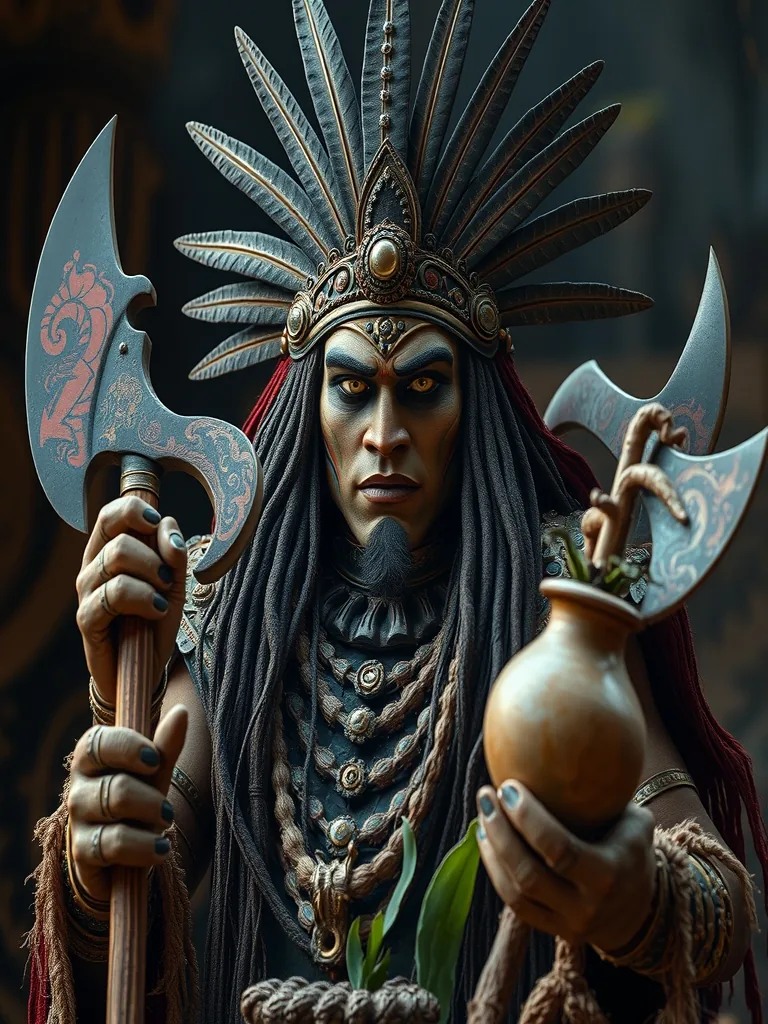
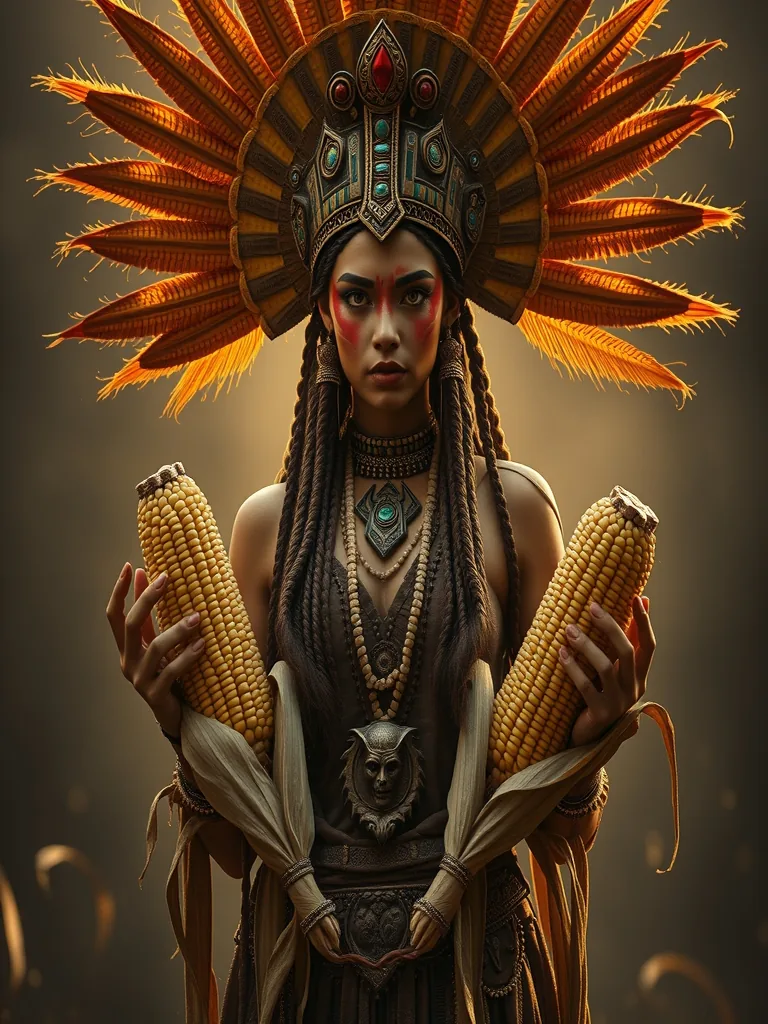
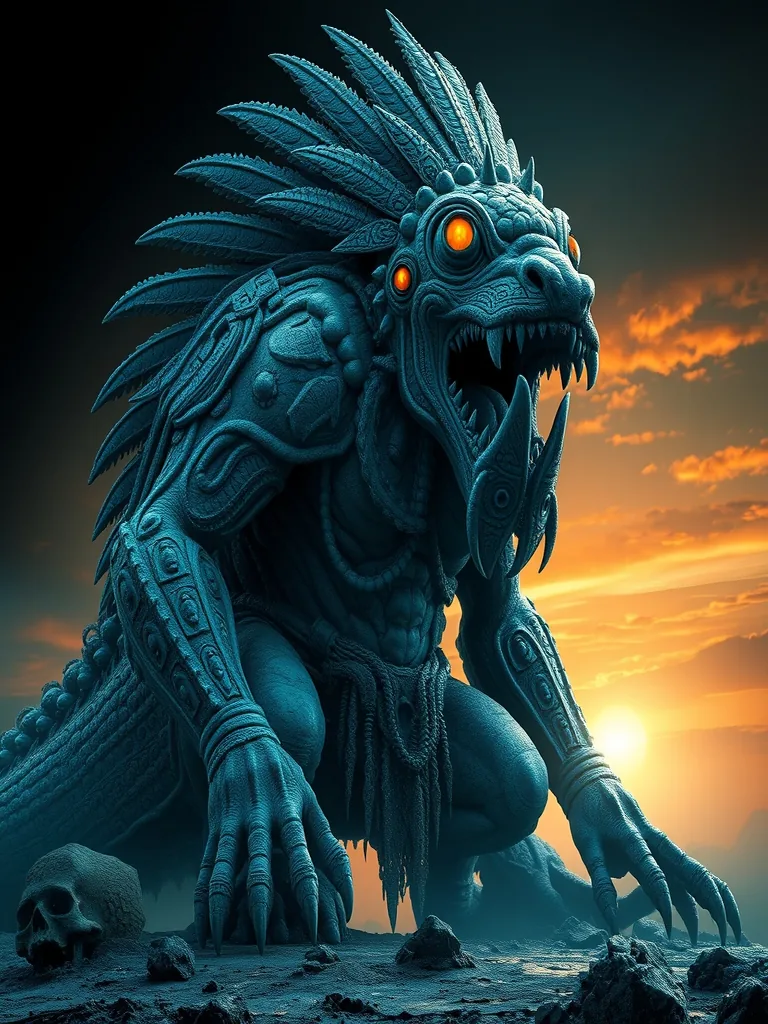
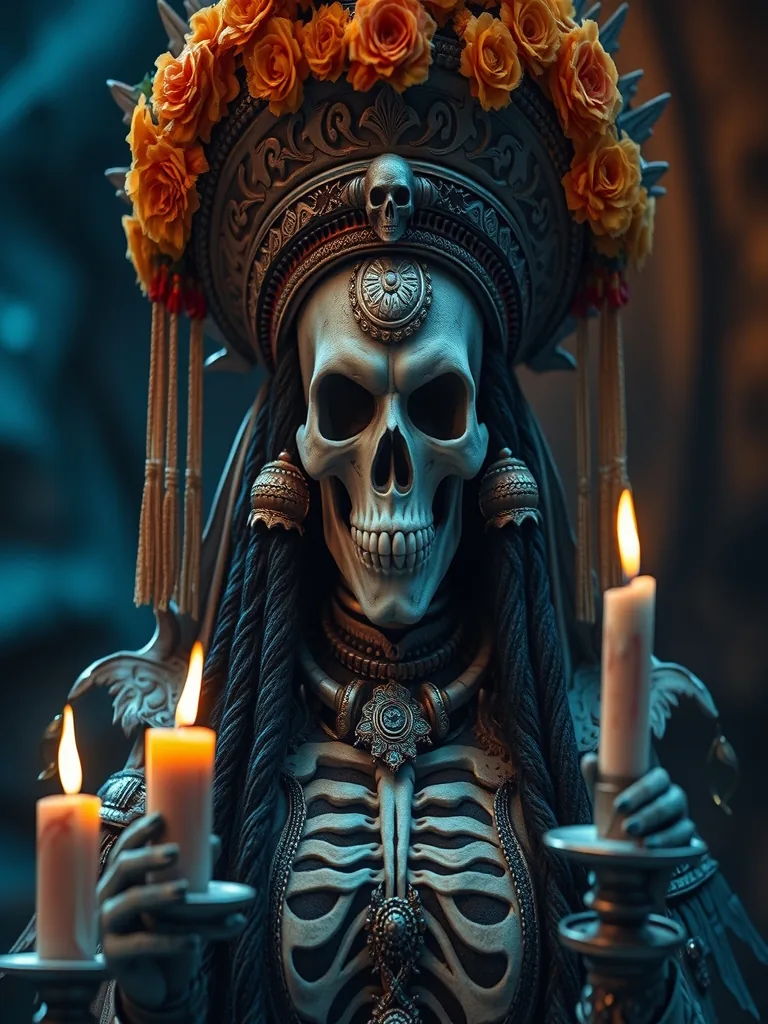
Among the 16 deities cataloged in the Codex for this pantheon, several figures hold preeminent standing across cosmic domains and civic life:
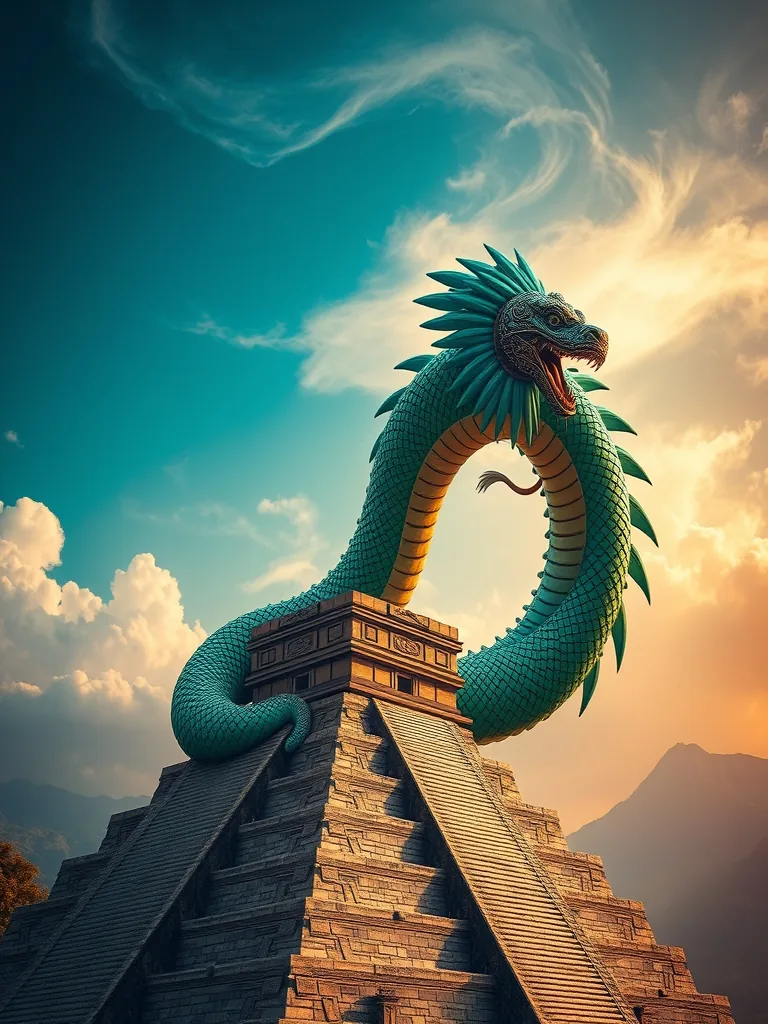
- Quetzalcoatl — Wind & Knowledge
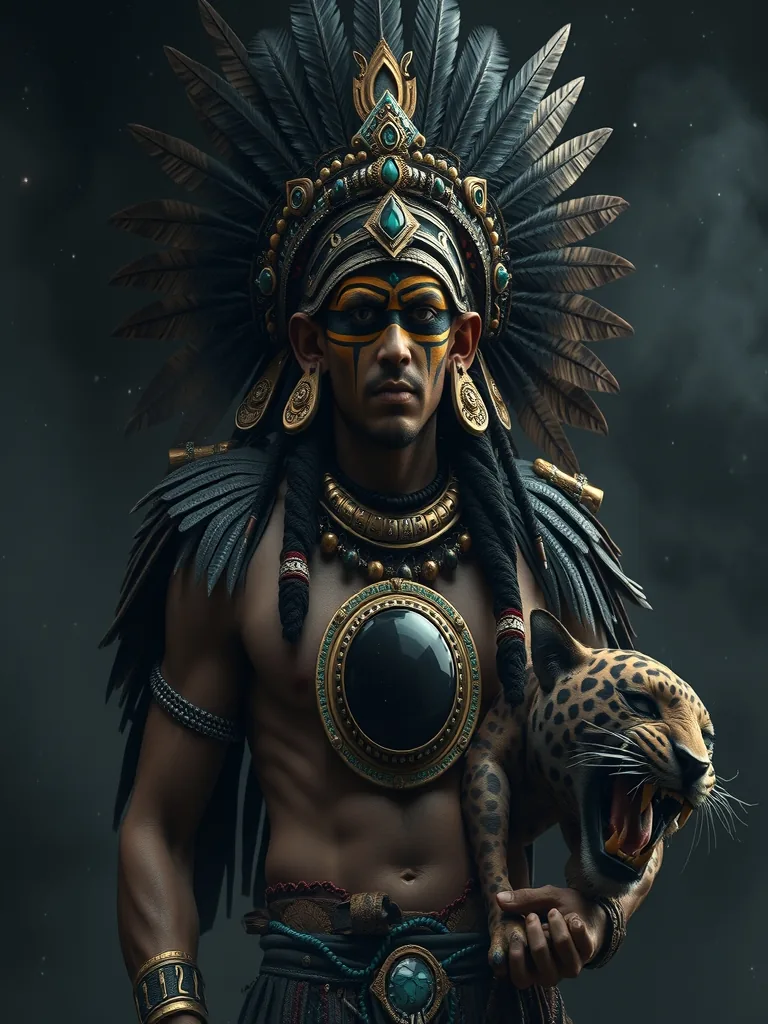
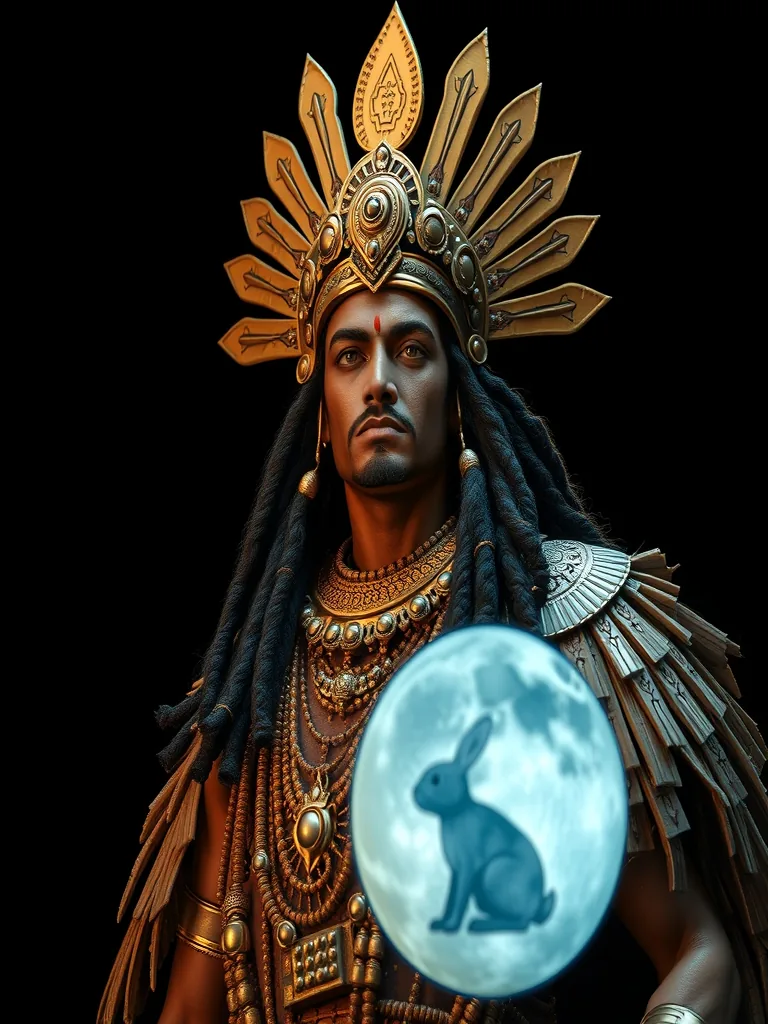
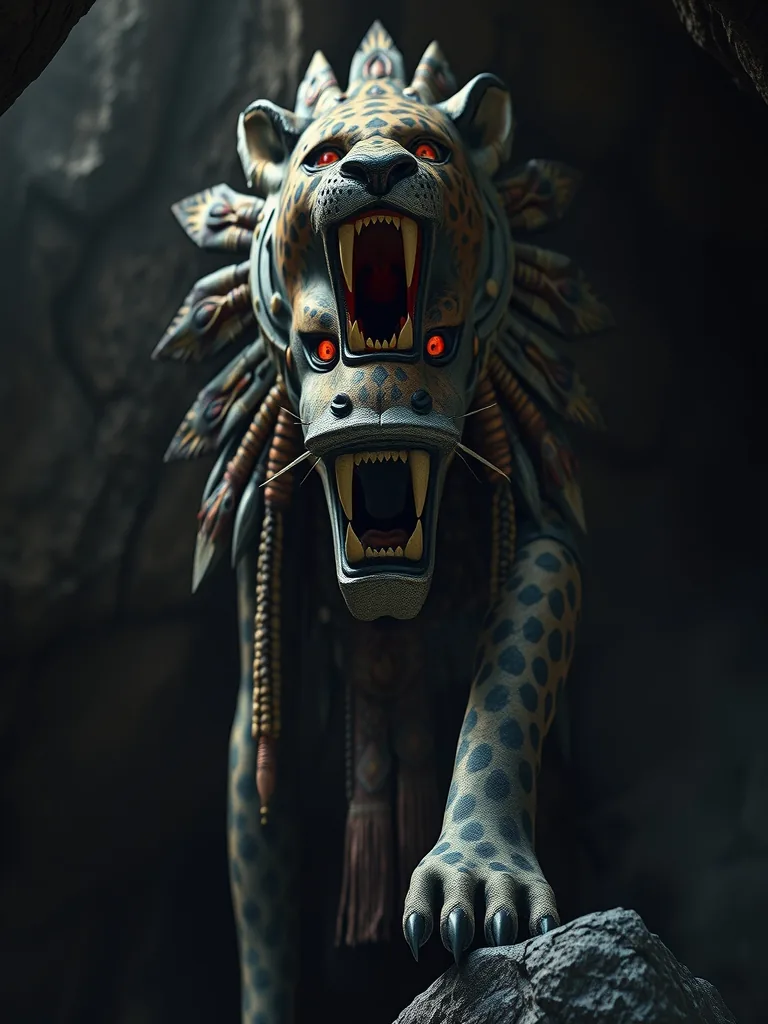
- Tezcatlipoca — Destiny, Night & Magic
- Huitzilopochtli — Sun, War & Sacrifice
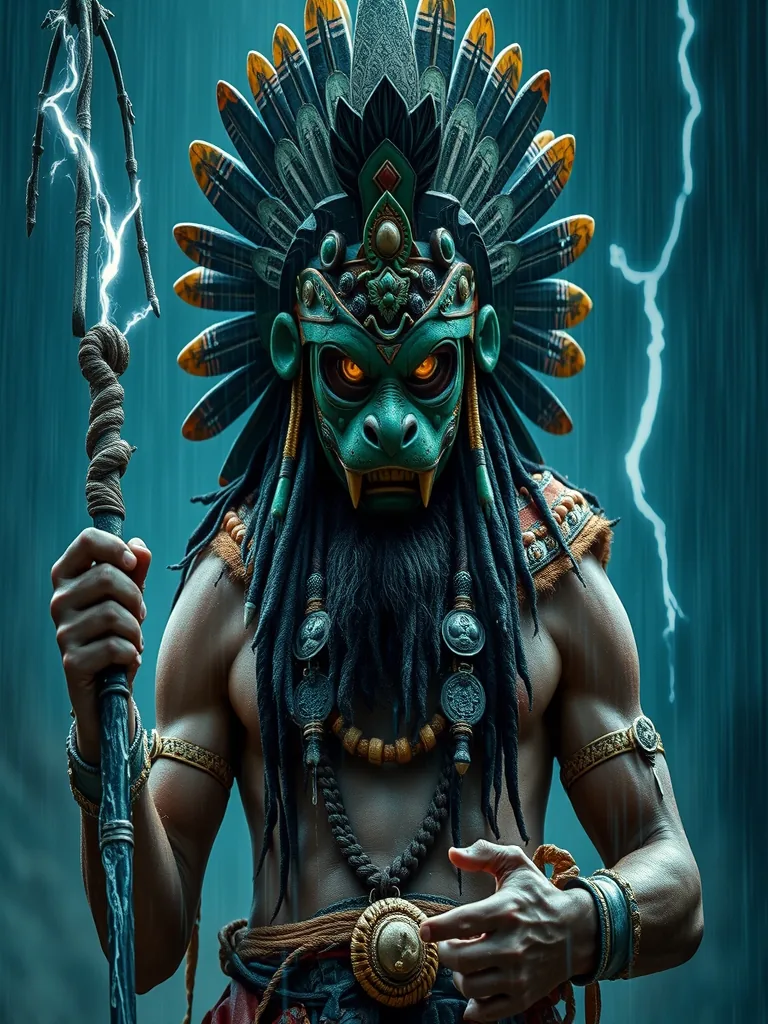
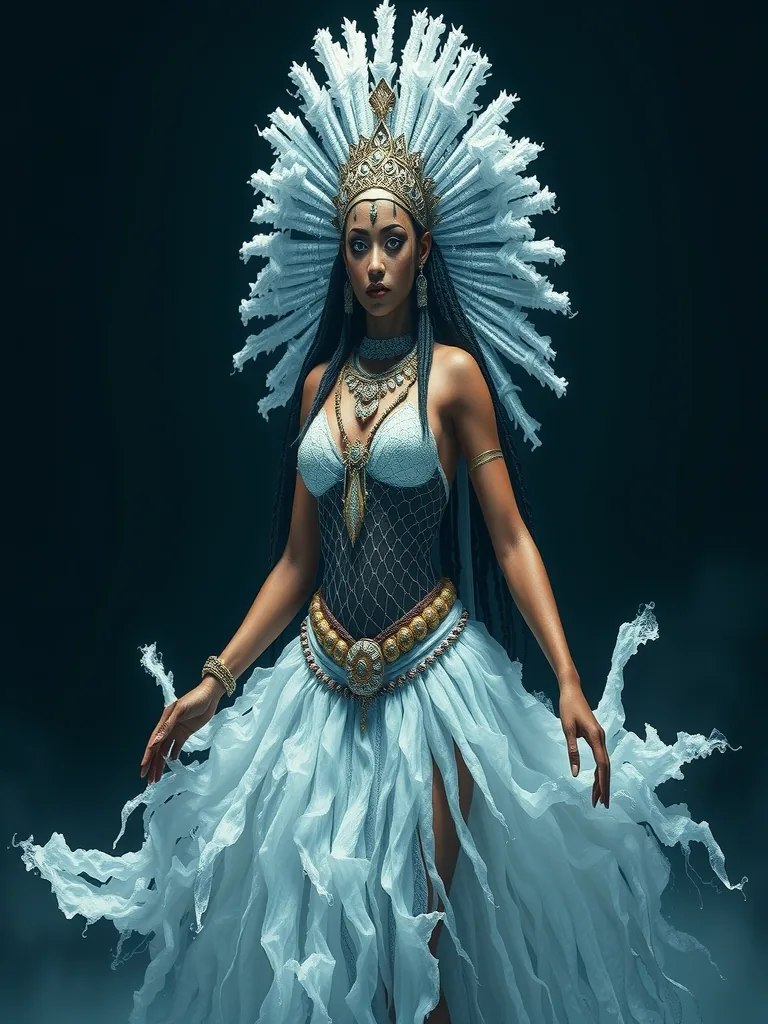
- Tlaloc — Rain, Fertility & Lightning
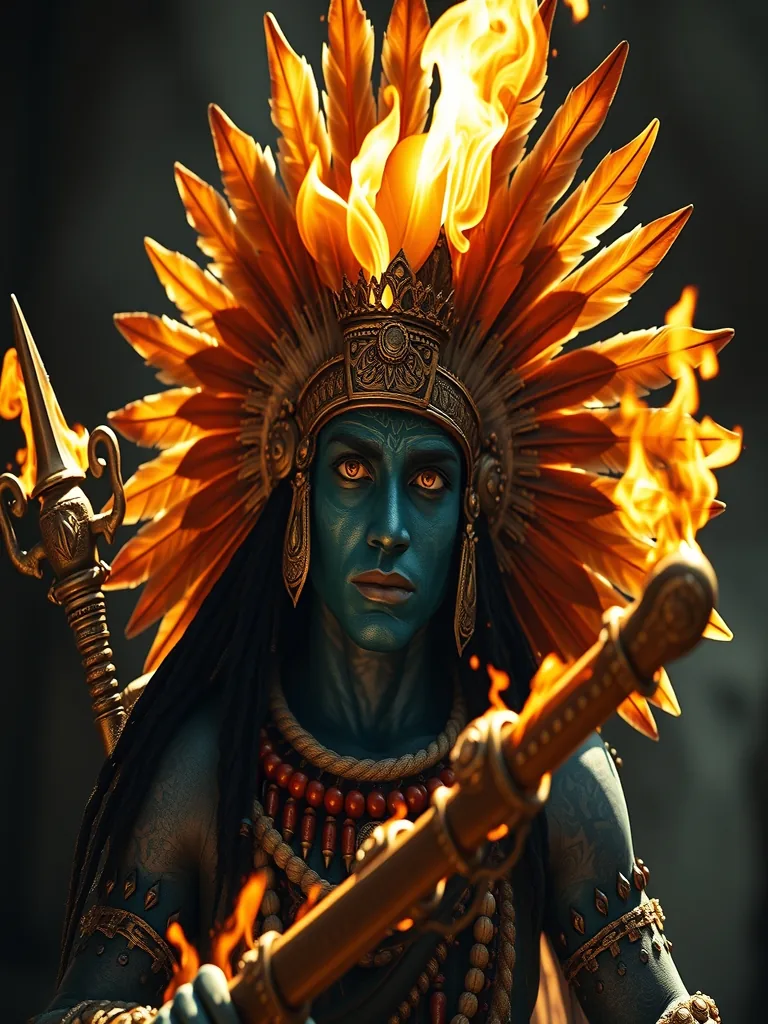
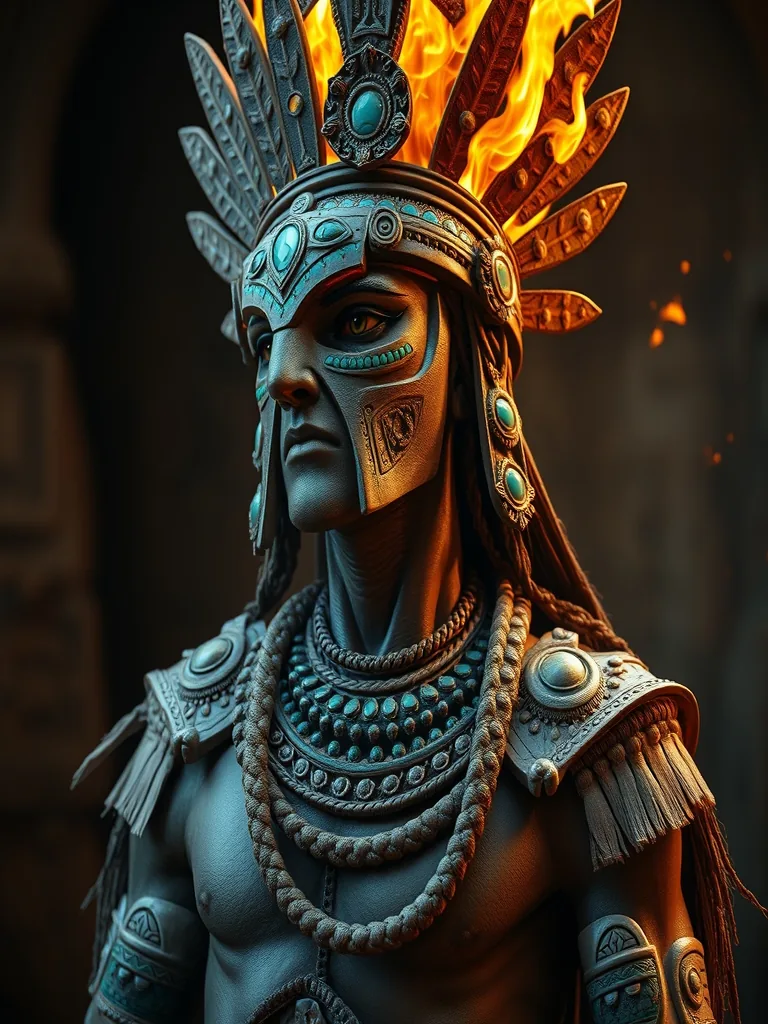
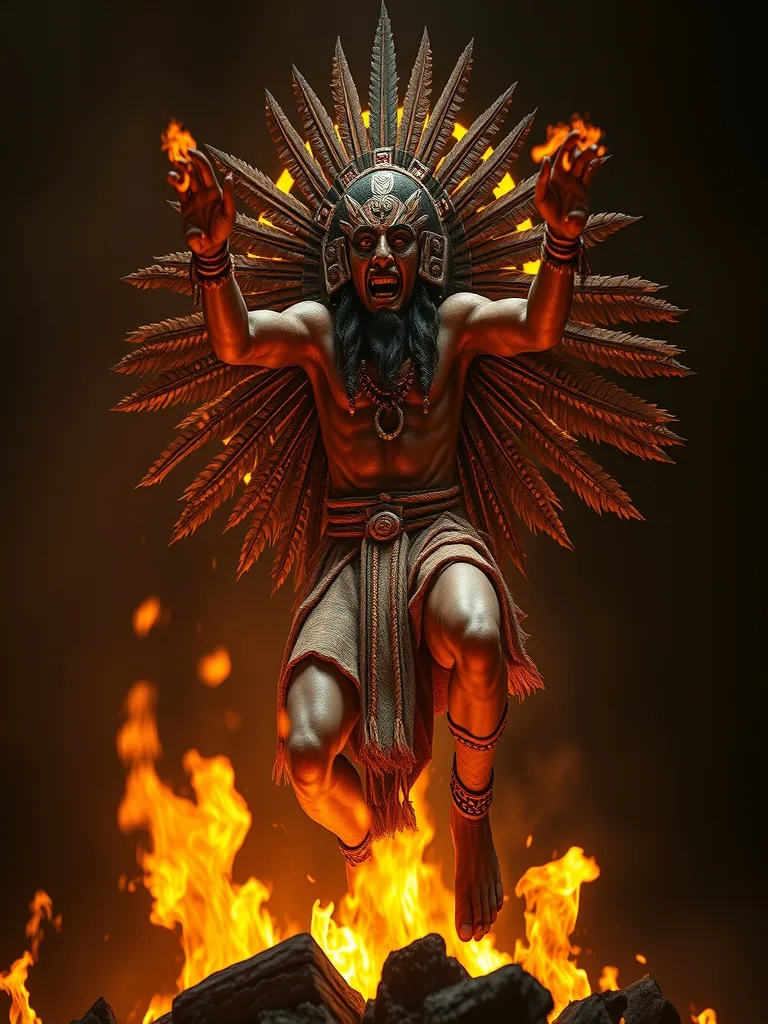
- Xiuhtecuhtli — Fire, Time & Renewal
Temples, Ritual Practices and Cult
The 18-month ritual calendar brought festivals such as Toxcatl, in which a youth lived for a year as the embodiment of Tezcatlipoca. Every 52 years, the New Fire Ceremony extinguished every flame in the empire, rekindled from a single bonfire to prevent the end of the world.
Priests and traditional lorekeepers guarded the continuity of sacred hymns and divine genealogies, ensuring the benevolence of the gods for agricultural fertility, social harmony, and communal protection.
16 deities