Skip to content
CodexMythologia
Back to the Codex
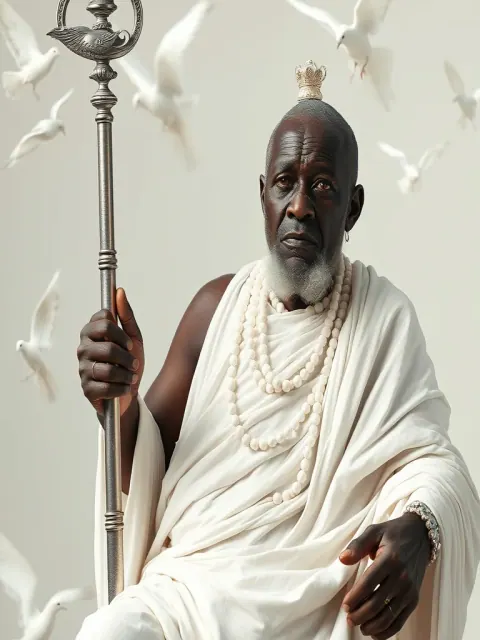
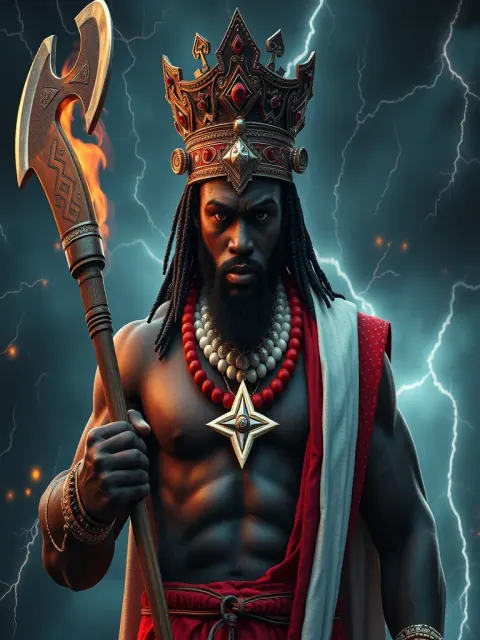
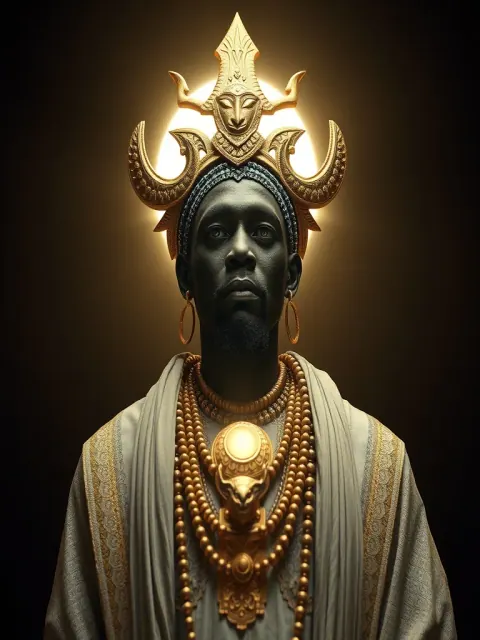
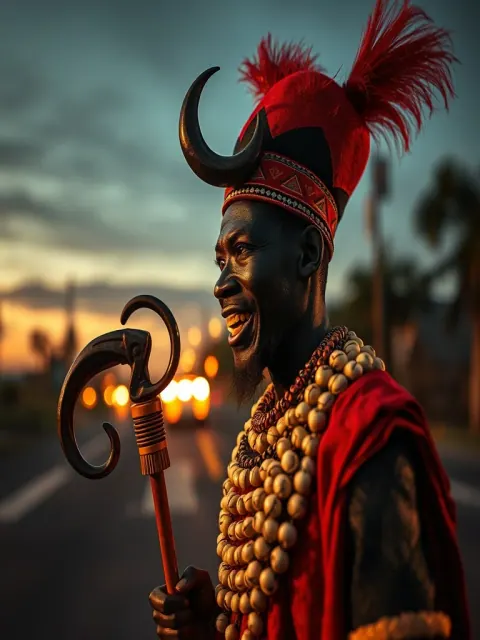
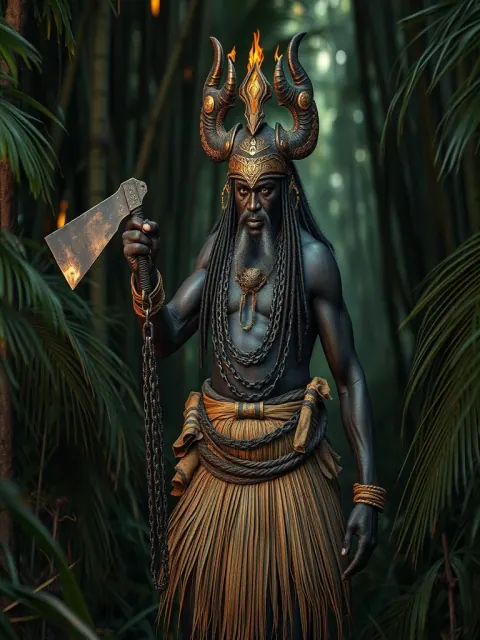
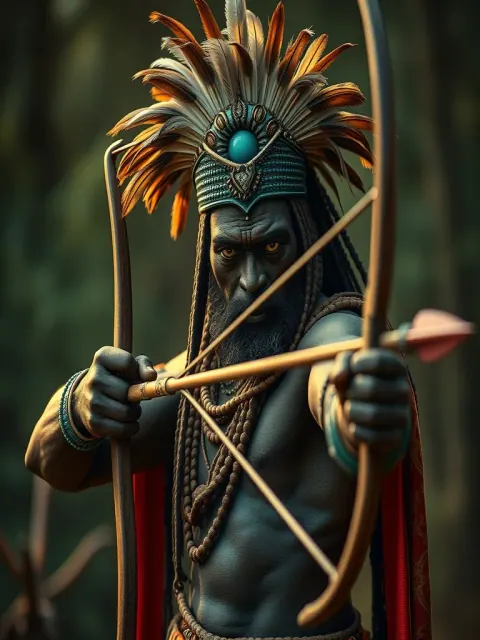
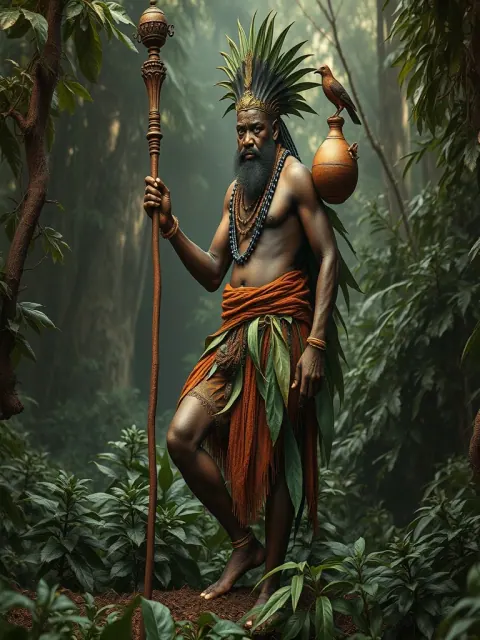
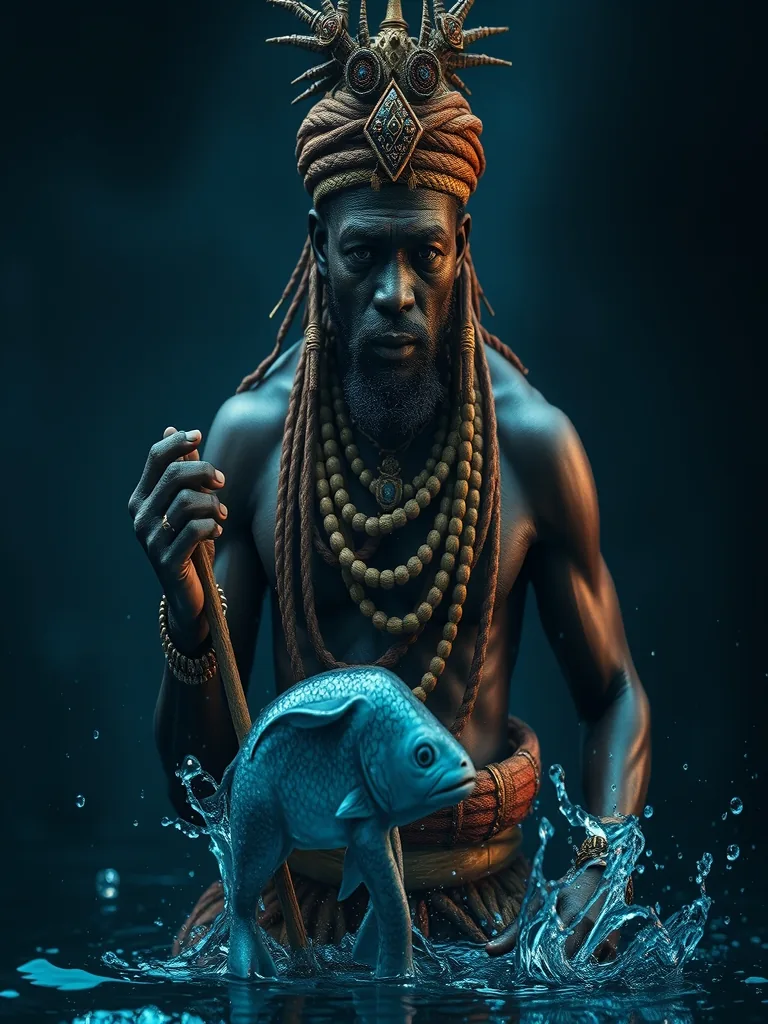
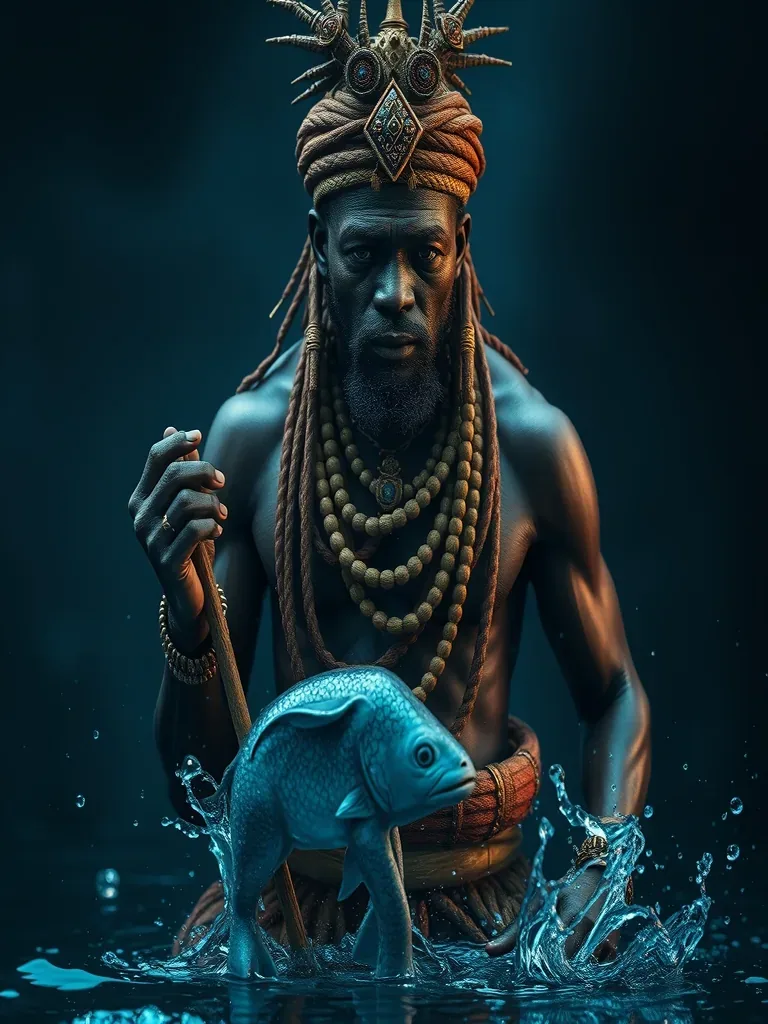
Portrait of Erinle, Yoruba deity
Yoruba
Tap or drag
Yoruba

Erinle

The Hunter Orixá of the Waters

Domain
Hunting, Fishing & Medicine
Alignment
Neutral Good
Element
Water
Relics of Power
Harpoon of Forest and River
Speak with Erinle

The full Codex

5 sections of this entry are open to everyone: the summary, the people, the symbols, the lineage and the sources. The other 9 (Name and epithets, In the ancient sources, The myths, Worship and archaeology, How the god was depicted, What scholars debate, After antiquity, Did you know?, Codex relic) are part of the full Codex: PRO opens the whole study of all 500 deities, and without a subscription you can read one full entry a day, just like in the app.

The People

People
Yoruba people
Region
West Africa & the diaspora
Period
c. 1000 AD – present

The orixás are worshipped by the Yoruba people of present-day Nigeria and Benin, with Ile-Ife as their spiritual center. Through the slave trade, their faith crossed the Atlantic and flourished in the Americas as Candomblé, Santería, and Vodou. It is today one of the most living and widespread African religious traditions in the world.

The Osun festival in Osogbo, Nigeria, draws thousands to the sacred grove of the Osun river, a UNESCO heritage site. The Ifá oracle guides decisions through the odus, and in Brazil the Candomblé terreiros honor each orixá with their own drums, dances, colors, and foods.
At a glance

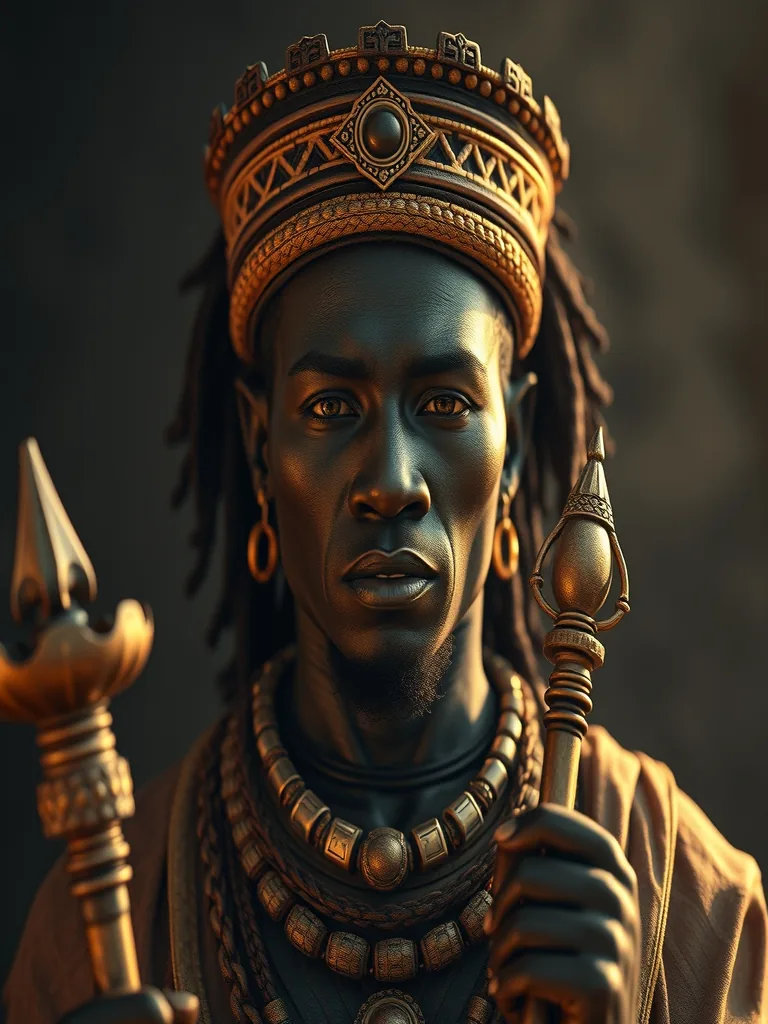
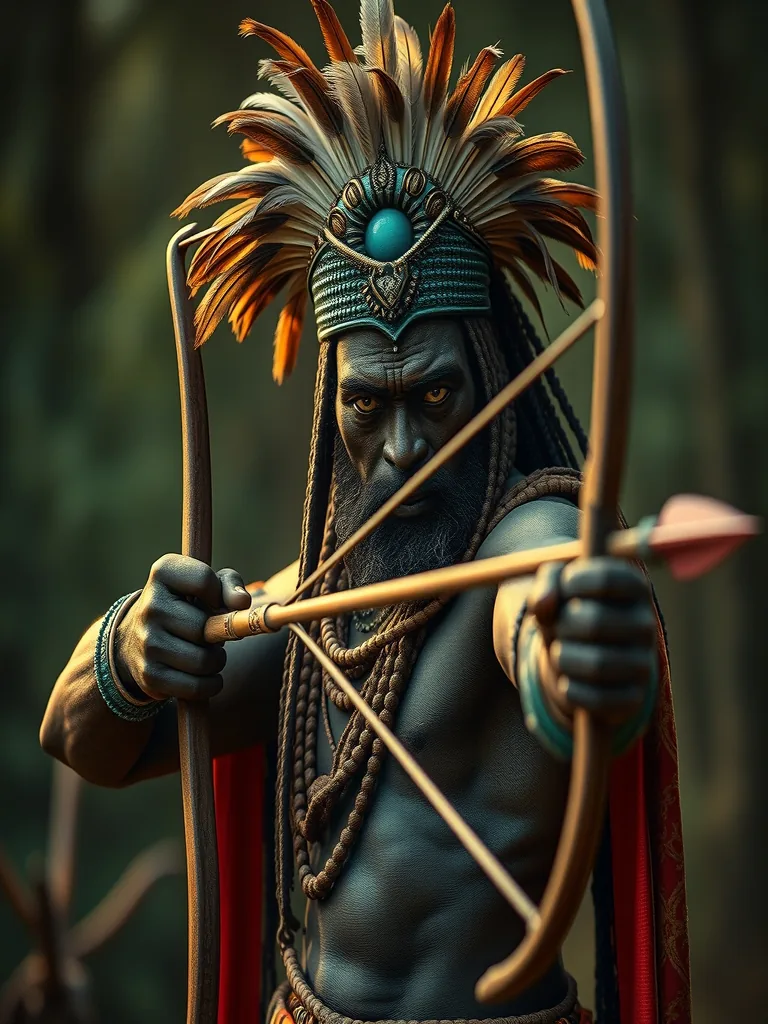
Erinle (in the scholarly tonal orthography Ẹrinlẹ̀, also recorded in Afro-Atlantic sources as Inlẹ̀, Inle or Eyinle) is the noble, aristocratic orisha of river hunting, of riverine botanical medicine and of fishing, and the sacred patron of the city of Ilobu, in Osun State, Nigeria. He embodies the harmonious meeting of two ecological domains traditionally kept apart: the primeval forest (igbó), where he acts as a master hunter armed with bow and arrow (ọfà), and the clear currents of freshwater rivers (odò), where he presides over sacramental fishing and medicinal fish. In the historical chronicles gathered by the Reverend Samuel Johnson and in the research of Pierre Verger, Erinle was a historical prince and warrior hero of Ilobu who, at the end of his civil campaigns and prodigious cures, did not meet an ordinary death but voluntarily sank into the running waters, transforming himself into the Erinle River (a tributary of the Osun River). In Candomblé Ketu and Jeje in Bahia he is worshipped under the prestigious title Oxóssi Ibualama or Erinlé, associated with royalty, the buffalo horn and turquoise-blue and coral beads; in Cuban Santería (Regla de Ocha), Inle is revered as the supreme and compassionate physician, patron of healers and fishermen, traditionally syncretized with the Archangel Saint Raphael.

7 min read · Reviewed on September 30, 2026 · How we research

Sacred symbols

The harpoon, the healing herbs, the river and the elephant

Family

Parents
OduduwaYemoja (tututlary divinity of riverine and marine waters in Ilobu oral genealogies)
Siblings
Erinle
Unions
OshunAbatan (feminine healing divinity venerated in Ilobu and Cuba as his inseparable medical companion)Otin (warrior river goddess of the Otin river, hunting partner across the northern woodlands)
Genealogy according to Samuel Johnson (1921); Pierre Fatumbi Verger (1957, 1995); Lydia Cabrera (1954); Robert Farris Thompson (1983); Rowland Abiodun (2014); William Bascom (1969); Edison Carneiro (1961)

Sources and further reading

Primary sources

  • Samuel Johnson, The History of the Yorubas. translation: Lagos: CMS Bookshops (1921), historical chronicles of Ilobu and the transfiguration of Erinle.
  • Pierre Fatumbi Verger, Notes sur le culte des orisha et vodun à Bahia et au Dahomey. translation: Dakar: Mémoires IFAN 51 (1957), orikis and insignia of the river hunter.
  • Lydia Cabrera, El Monte: Igbo-Finda, Ewe Orisha, Vititi Nfinda. translation: Havana: Ediciones CR (1954), patakis and rites of Inle and Abata.

Studies

  • Robert Farris Thompson, Flash of the Spirit: African and Afro-American Art and Philosophy. New York: Vintage Books (1983), analysis of Erinle's metal staff, 1983.
  • Rowland Abiodun, Yoruba Art and Language: Seeking the African in African Art. Cambridge: Cambridge University Press (2014), iconography and the sacred fish, 2014.
  • William Bascom, The Yoruba of Southwestern Nigeria. New York: Holt, Rinehart & Winston (1969), ethnography of the deities of hunting and rivers, 1969.
  • Edison Carneiro, Candomblés da Bahia. Rio de Janeiro: Edições de Ouro (1961), traditional rites to the orixás of the hunt and to Erinlé, 1961.

Name and epithets

The theonym Ẹrinlẹ̀ is grammatically formed by the agglutination of the Yoruba phrase “Ẹrin tí ń bẹ l'ẹlẹ̀” or “Ẹrin ilẹ̀”, which the elders of Ilobu render as “The Elephant on the Earth” or “The Majestic Strength of Fi…

In the ancient sources

The History of the Yorubas: From the Earliest Times to the Beginning of the British Protectorate, 1921 (completed 1897 CE).

The myths

The Heroic Transfiguration in the Erinle River and the Perpetual Defence of Ilobu. As preserved in the dynastic chronicles of Samuel Johnson and in the praise songs of the elders of Ilobu, the noble prince Erinle was re…

Worship and archaeology

The cult of Erinle preserves a singular palace solemnity in Ilobu, where the annual festival Odún Ẹrinlẹ̀ mobilizes the sovereign Olobu of Ilobu, the hunter priests and thousands of pilgrims who wash their sacred belong…

How the god was depicted

The sacred art of Erinle stands out for the celebrated Ọpá Ẹrinlẹ̀, an imposing sceptre of forged iron or brass topped by the sculpture of a majestic bird at rest, around which two intertwined serpents coil, flanked by…

What scholars debate

The Confluence of Forest and River in the Cosmology of the Hunters. Researchers of African art such as Rowland Abiodun and Robert Farris Thompson analyse the character of ecological mediation exercised by Erinle.

After antiquity

Erinle is widely acclaimed as an emblem of traditional African holistic medicine, of the protection of river ecosystems and of the dignity of the royalty of Ilobu.

Did you know?

The Nigerian city of Ilobu keeps as its most sacred sanctuary the clear pool from which the Erinle River rises; the fish of this stretch of the river are considered sacred and protected by an absolute taboo against comm…

Codex relic

Harpoon of Forest and River. The harpoon with which he hunts in the forests and fishes in the rivers, joining the two worlds where his power reigns.

The rest of this scroll is sealed

The legends, the myth, the cult and relics are part of the full Codex. You can open 1 full entry for free every day; to open all 500 deities with no limits and no ads, subscribe to Codex PRO.

See Codex PROGet it on Google Play

From the same pantheon

View pantheon