Skip to content
CodexMythologia
Back to the Codex
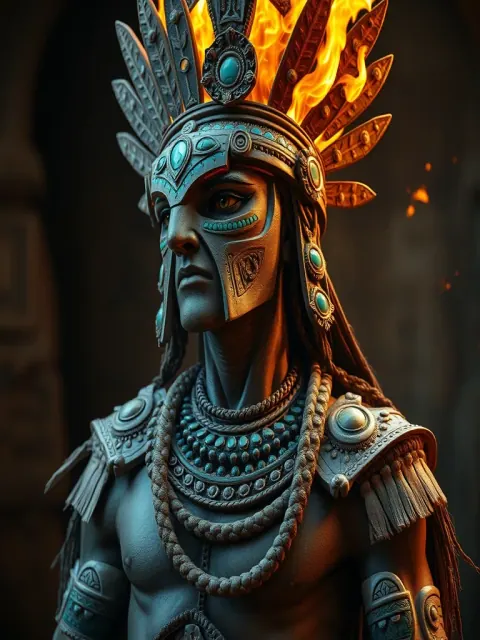
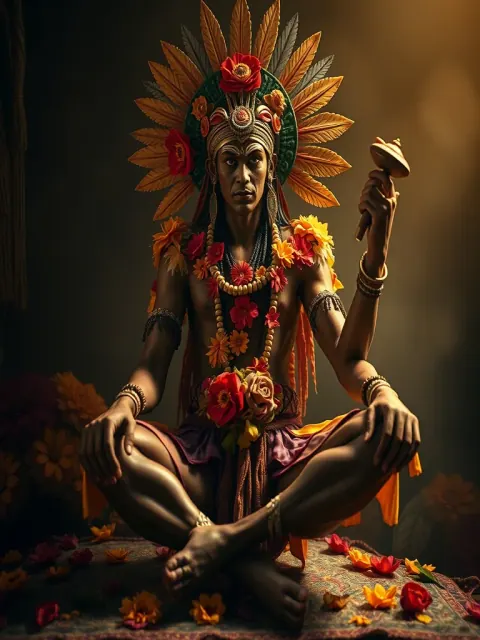
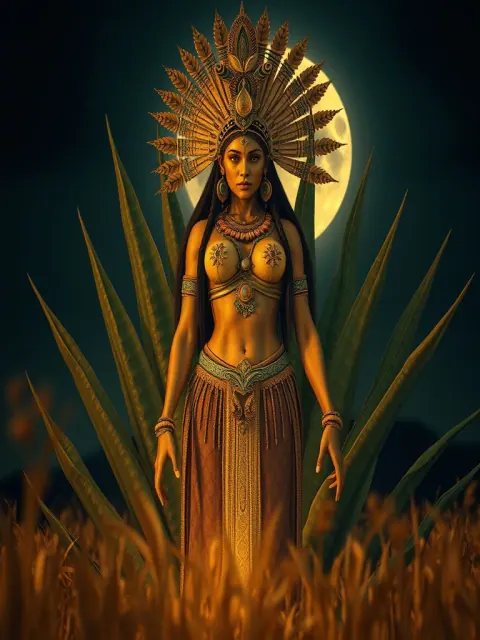
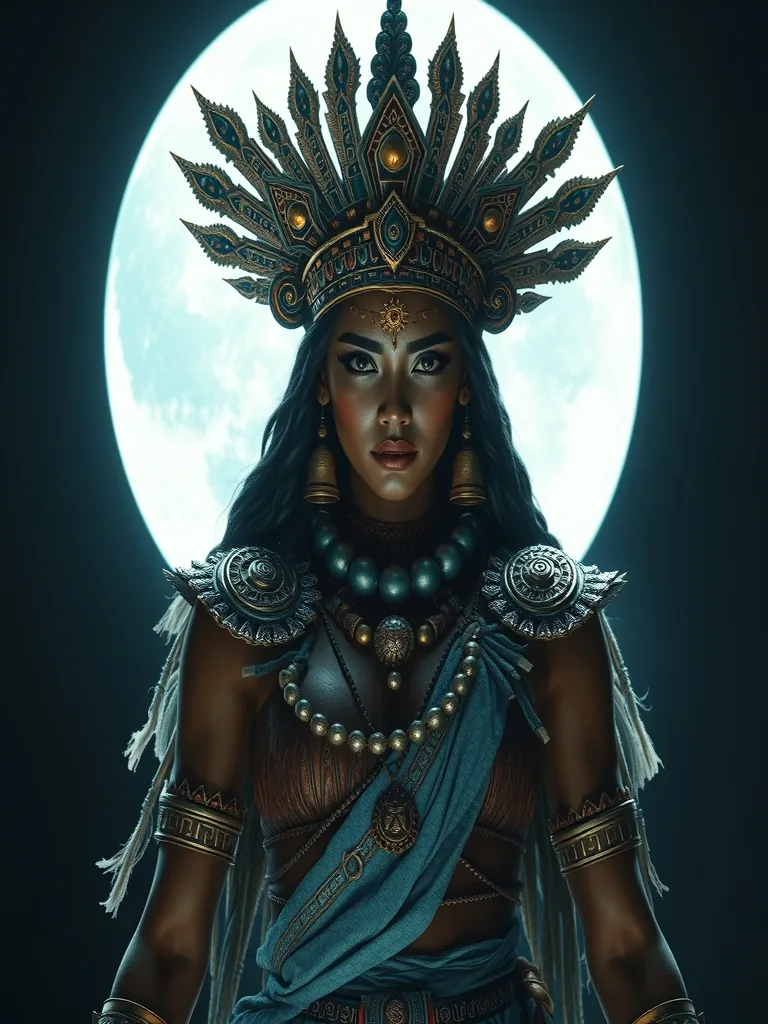
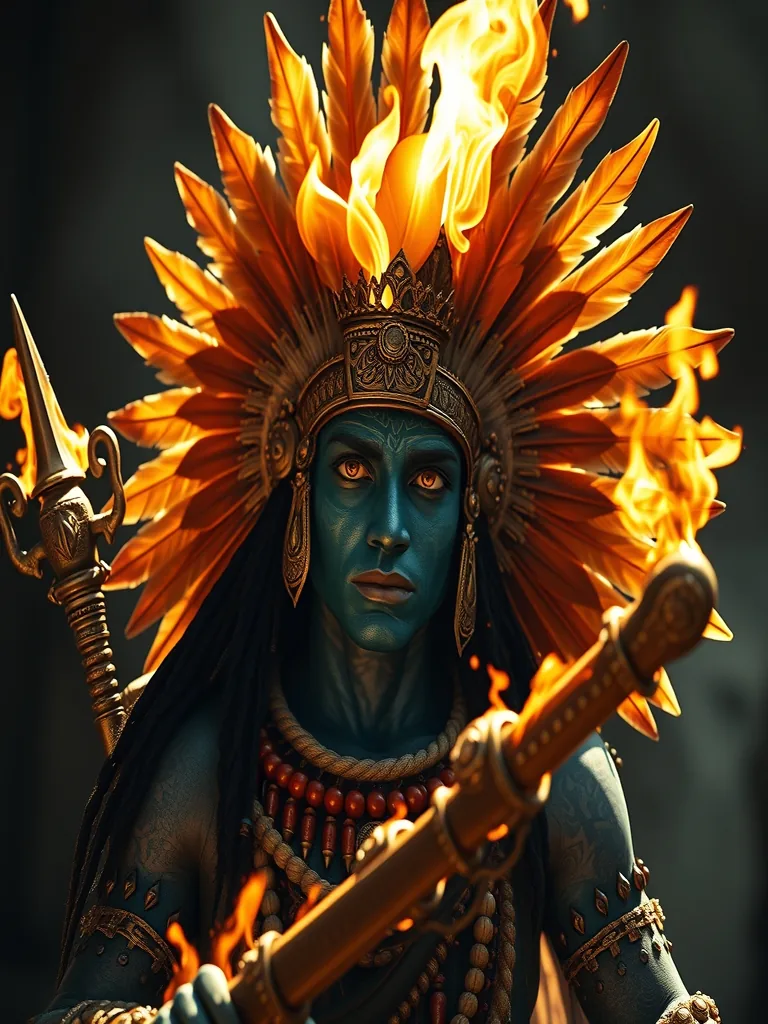
Portrait of Coyolxauhqui, Aztec deity
Aztec
Tap or drag
Aztec

Coyolxauhqui

She Adorned with Bells

Domain
Moon & Night War
Alignment
True Neutral
Element
Darkness
Relics of Power
Bells of Coyolxauhqui
Speak with Coyolxauhqui

The full Codex

5 sections of this entry are open to everyone: the summary, the people, the symbols, the lineage and the sources. The other 9 (Name and epithets, In the ancient sources, The myths, Worship and archaeology, How the god was depicted, What scholars debate, After antiquity, Did you know?, Codex relic) are part of the full Codex: PRO opens the whole study of all 500 deities, and without a subscription you can read one full entry a day, just like in the app.

The People

People
Aztecs (Mexica)
Region
Central Mexico
Period
14th – 16th c.

The Aztec gods were worshipped by the Mexica people from their capital, Tenochtitlan, in central Mexico. They believed the sun would only move if fed with blood, which led to the famous sacrifices atop pyramid-temples. Their world was cut short by the Spanish conquest in the 16th century.

The 18-month ritual calendar brought festivals such as Toxcatl, in which a youth lived for a year as the embodiment of Tezcatlipoca. Every 52 years, the New Fire Ceremony extinguished every flame in the empire, rekindled from a single bonfire to prevent the end of the world.
At a glance

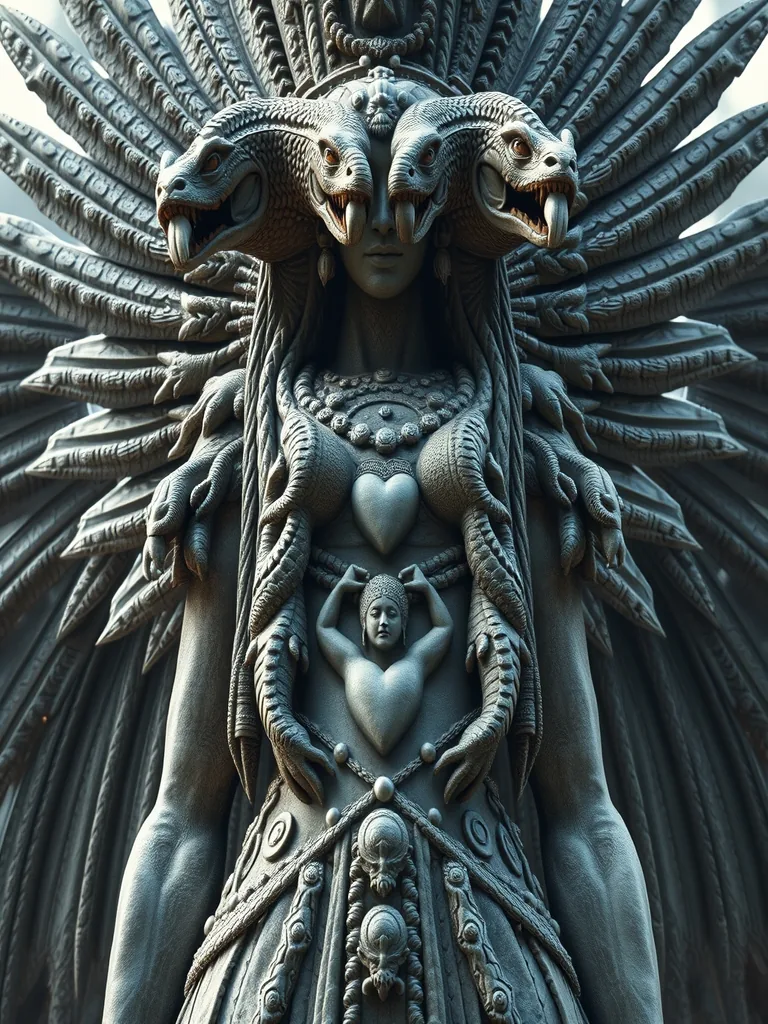
Coyolxauhqui (in the standardized Classical Nahuatl spelling Coyolxāuhqui, meaning “She Who Is Adorned with Bells” or “Decked Out with Bells”) is the formidable Mexica deity associated with the moon, nocturnal martial leadership, and the southern stars (Centzon Huitznahua). According to the foundational cosmogonic myth of Coatepec (“Snake Mountain”), recorded in rich detail in Book 3 of the Florentine Codex of Fray Bernardino de Sahagún, Coyolxauhqui flew into a rage on learning that her mother, Coatlicue, had become mysteriously pregnant from a celestial feather that had come down from the heavens. Regarding the matter as an intolerable dishonor to the cosmic lineage, the goddess armed her four hundred star-brothers and led a war march to decapitate Coatlicue on the summit of the mountain. However, at the climactic moment of the invasion, the solar god Huitzilopochtli was born fully armed from his mother's womb, brandishing the fire serpent Xiuhcóatl; he beheaded Coyolxauhqui and hurled her body down the slope, where it broke into dismembered limbs along the descent. On February 21, 1978, the accidental discovery of her monumental circular monolith of volcanic stone (3.25 meters in diameter) in the historic center of Mexico City set off the famous Templo Mayor Project, confirming that the great pyramid of Tenochtitlan was the architectural and ritual replica of the mythical Coatepec itself.

7 min read · Reviewed on September 30, 2026 · How we research

Sacred symbols

Bells on the face, eagle feathers in the hair, dismembered body on the monolith, serpents tied at wrists and ankles

Family

Parents
Siblings
Centzon Huitznahua (the Four Hundred Southerners, stellar gods of the southern sky)Huitzilopochtli
Coyolxauhqui
Genealogy according to Códice Florentino (Livro 3, cap. 1); Crónica Mexicáyotl (parágrafos 22-26); Diego Durán (Livro 1, cap. 2); Anales de Cuauhtitlan (fólio 3)

Sources and further reading

Primary sources

  • Fray Bernardino de Sahagún (Trilingual Writers of Tlatelolco), Florentine Codex: Book III (The Origin of the Gods, Ch. I: Huitzilopochtli and Coyolxauhqui). translation: Bilingual Nahuatl-English edition by C. E. Dibble and A. J. O. Anderson (Monographs of SAR, Santa Fe / Univ. of Utah, 1978). read
  • Fernando Alvarado Tezozómoc, Crónica Mexicáyotl (Account of the pilgrimage, the Coatepec conflict and the Tenochca lineage). translation: Paleographic edition and translation by Adrián León (Instituto de Investigaciones Históricas, UNAM, Mexico, 1998, pp. 30-36). read
  • Fray Diego Durán, Historia de las Indias de Nueva España (Vol. I, Chapter II: The arrival of the Mexica at Coatepec). translation: Critical edition by Ángel María Garibay K. (Editorial Porrúa, Mexico City, 1967). read
  • Tlacuilo sculptors of the reign of Axayácatl, Monumental Monolith of Coyolxauhqui (Circular Andesite Relief, Templo Mayor). translation: Descriptive and iconographic study by Eduardo Matos Moctezuma (INAH, Mexico, 1979). read

Studies

  • Eduardo Matos Moctezuma, El Templo Mayor de los aztecas / Las piedras negadas: De la Coatlicue al Templo Mayor. Fondo de Cultura Económica, Cidade do México, 1988. open
  • Leonardo López Luján (Archaeology of Tenochtitlan), Las ofrendas del Templo Mayor de Tenochtitlan: Votive deposits and stratigraphic context. INAH / Asociación de Amigos del Templo Mayor, Mexico, 1993. open
  • Alfredo López Austin e Leonardo López Luján, Monte Sagrado - Templo Mayor: El cerro y la pirâmide en la cosmovisión mesoamericana. INAH e UNAM, Cidade do México, 2009. open
  • Cecelia F. Klein, The Ideology of Autonomy at the Templo Mayor: Coyolxauhqui and the Centzon Huitznahua. The Aztec Templo Mayor, Dumbarton Oaks, Washington D.C., 1987. open

Name and epithets

The Nahuatl theonym Coyolxāuhqui derives from the fusion of the noun coyolli (a spherical metal bell of copper or gold with a slit, used in warrior dances) and the passive verbal participle xāuhqui (from the verb xāhua,…

In the ancient sources

Florentine Codex (Fray Bernardino de Sahagún and Nahua Elders), 1575–1577 CE. Contains the complete canonical narrative in Nahuatl of Coyolxauhqui's wrath, the armed march of the Huitznahua, and the blow of the fire ser…

The myths

The Battle of Coatepec and the Cosmic Dismemberment. As narrated in the Nahuatl text of Book 3 of the Florentine Codex, the venerable matron Coatlicue devoted herself to penance on the summit of Mount Coatepec, near Tol…

Worship and archaeology

Unlike benevolent agrarian deities who had daily devotional priesthoods, Coyolxauhqui was revered in the state context of sacred war and the fatal fate of Tenochtitlan's defeated enemies.

How the god was depicted

The monumental iconography of Coyolxauhqui is immortalized with incomparable mastery on the great monolith of the Templo Mayor.

What scholars debate

Cosmological Identification: Moon versus Night Earth. Anthropologists and archaeologists have intensely debated whether Coyolxauhqui should be understood solely as a personification of the Moon or whether she represente…

After antiquity

Since its discovery in 1978, Coyolxauhqui has become one of the most famous archaeological icons in the Western world, turning into a central object of international museum exhibitions and being widely claimed in contem…

Did you know?

The discovery of the Coyolxauhqui monolith in the early hours of February 21, 1978, was so striking that it led the Mexican government to demolish several historic colonial buildings to allow the full archaeological exc…

Codex relic

Bells of Coyolxauhqui. The metal bells (coyolli) carved on the goddess's cheeks on the Templo Mayor monolith.

The rest of this scroll is sealed

The legends, the myth, the cult and relics are part of the full Codex. You can open 1 full entry for free every day; to open all 500 deities with no limits and no ads, subscribe to Codex PRO.

See Codex PROGet it on Google Play

From the same pantheon

View pantheon