Skip to content
CodexMythologia
Back to the Codex
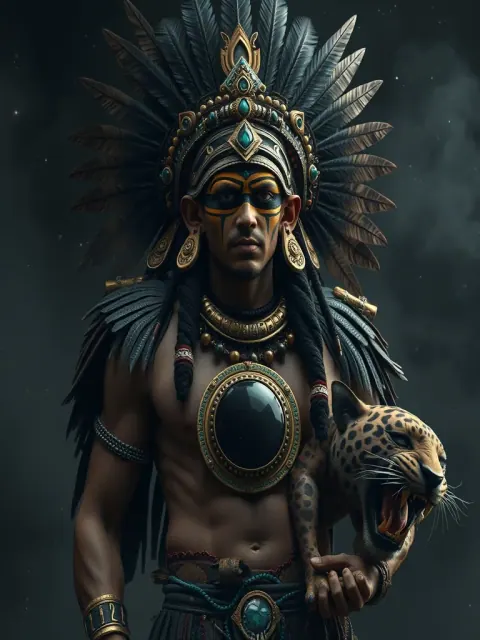
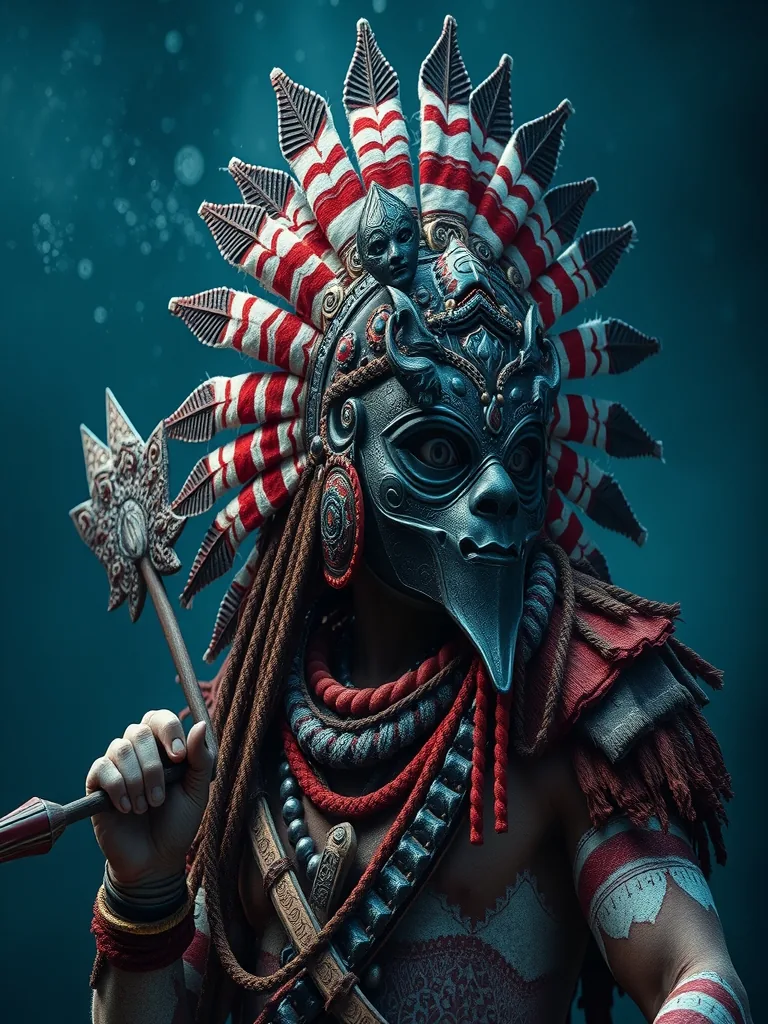
Portrait of Mixcoatl, Aztec deity
Aztec
Tap or drag
Aztec

Mixcoatl

The Cloud Serpent

Domain
Hunt & Stars
Alignment
True Neutral
Element
Fire
Relics of Power
Bow and Arrows of the Celestial Hunter
Speak with Mixcoatl

The full Codex

5 sections of this entry are open to everyone: the summary, the people, the symbols, the lineage and the sources. The other 9 (Name and epithets, In the ancient sources, The myths, Worship and archaeology, How the god was depicted, What scholars debate, After antiquity, Did you know?, Codex relic) are part of the full Codex: PRO opens the whole study of all 500 deities, and without a subscription you can read one full entry a day, just like in the app.

The People

People
Aztecs (Mexica)
Region
Central Mexico
Period
14th – 16th c.

The Aztec gods were worshipped by the Mexica people from their capital, Tenochtitlan, in central Mexico. They believed the sun would only move if fed with blood, which led to the famous sacrifices atop pyramid-temples. Their world was cut short by the Spanish conquest in the 16th century.

The 18-month ritual calendar brought festivals such as Toxcatl, in which a youth lived for a year as the embodiment of Tezcatlipoca. Every 52 years, the New Fire Ceremony extinguished every flame in the empire, rekindled from a single bonfire to prevent the end of the world.
At a glance

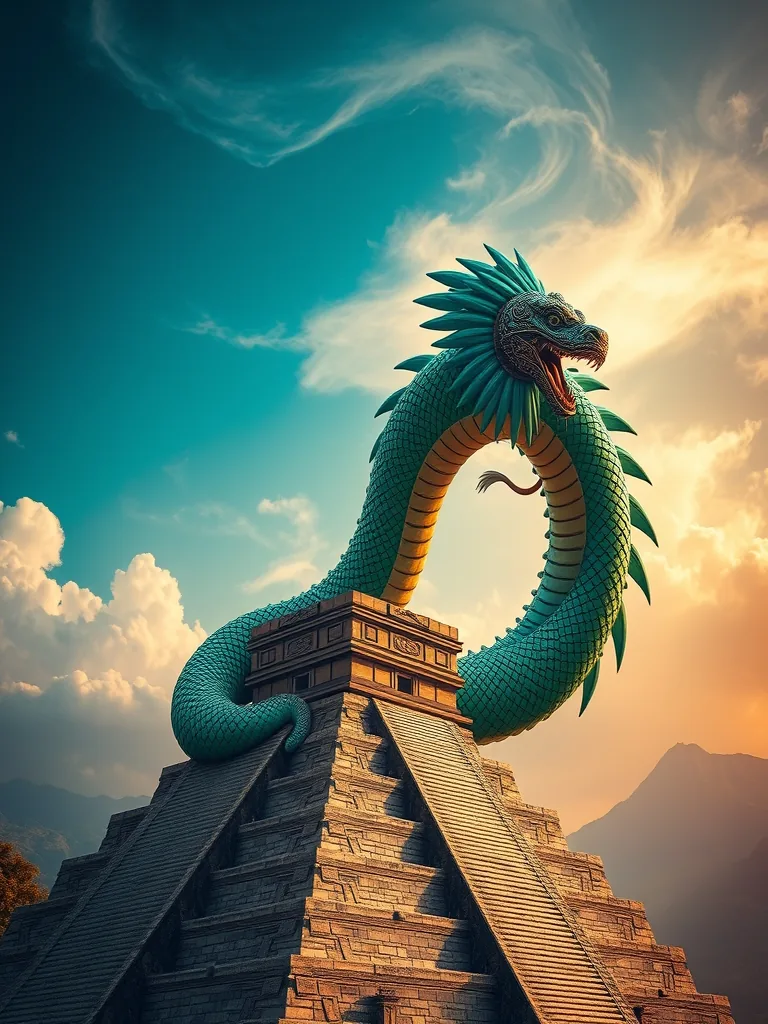
Mixcoatl (in standardized Classical Nahuatl spelling, Mixcōātl, meaning “Cloud Serpent,” a metaphorical title given to the Milky Way) is the esteemed Mesoamerican deity of sacred hunting, the semi-arid steppes, the northern stars (Centzon Mimixcoa), and primordial fire obtained by astronomical friction. Venerated as the primordial ancestor of the Chichimec and Otomi hunting peoples, and identified in the Puebla-Tlaxcala Valley under the cult name Camaxtli, Mixcoatl personifies the historical and mythical transition between the nomadic life of desert archers and the sedentary civilization of farming valleys. As recorded in the Leyenda de los Soles and the Florentine Codex, Mixcoatl was the mythical father of the famous priest-king Ce Acatl Topiltzin Quetzalcoatl, conceived together with the warrior maiden Chimalman. In the cosmogonic narrative of the Histoyre du Mechique, he is credited with the invention of fire through the perpetual turning of the celestial vault. His ritual cycle peaked in the month of Quecholli (the fourteenth twenty-day period of the solar calendar), when archer guilds carried out great hunting drives on the sacred mountain Zacatepetl.

6 min read · Reviewed on September 30, 2026 · How we research

Sacred symbols

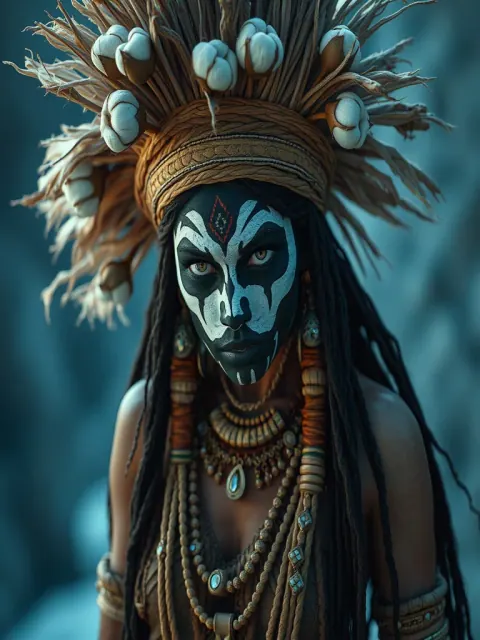
Body striped in red and white, black mask with white stars, bow and arrows

Family

Parents
Iztac Mixcoatl ('White Cloud Serpent', primordial patriarch of Nahua peoples) or Tonacatecuhtli
Siblings
Centzon Mimixcoa (the Four Hundred Celestial Hunters, stellar deities of the northern sky)
Mixcoatl
Unions
Chimalman (the virgin maiden of Huitznahuac who gave birth to Quetzalcoatl)
Genealogy according to Leyenda de los Soles (Códice Chimalpopoca, fólio 76); Histoyre du Mechique (cap. VIII); Códice Florentino (Livro 1, cap. 16; Livro 2, Quecholli); Códice Magliabechiano (42r); Durán (Livro 1, cap. 7)

Sources and further reading

Primary sources

  • Anonymous Nahua Authors (Chimalpopoca Collection), Leyenda de los Soles (The Saga of Mixcoatl, Chimalman and Quetzalcoatl). translation: Translation by Primo Feliciano Velázquez (Códice Chimalpopoca, Instituto de Investigaciones Históricas, UNAM, México, 1992). read
  • Fray Bernardino de Sahagún (Nahua Collaborators of Tepeapulco and Tlatelolco), Florentine Codex: Book 1 (Ch. XVI: Mixcoatl) and Book 2 (The Festivals of Quecholli). translation: Arthur J. O. Anderson and Charles E. Dibble, Florentine Codex: Book 2 - The Ceremonies (Univ. of Utah Press, Salt Lake City, 1981). read
  • Fray Andrés de Olmos / André Thevet, Histoyre du Mechique (Chapter VIII: On the Invention of Fire by Mixcoatl). translation: Édouard de Jonghe, Histoyre du Mechique (Journal de la Société des Américanistes, tomo II, Paris, 1905, pp. 22-26). read
  • Tlacuilo Artists of the Puebla Region, Codex Borgia (Plates 15, 25 and 33: The Iconography of Camaxtli-Mixcoatl). translation: Facsimile edition and notes by G. Díaz and A. Rodgers (Dover Publications, New York, 1993). read

Studies

  • Guilhem Olivier (FCE / IIH-UNAM), Cacería, sacrificio y poder en Mesoamérica: Tras las huellas de Mixcóatl, 'Serpiente de Nube'. Fondo de Cultura Económica, Cidade do México, 2015. open
  • Henry B. Nicholson, Topiltzin Quetzalcoatl: The Once and Future Lord of the Toltecs (Analysis of the sources on Mixcoatl). University Press of Colorado, Boulder, 2001. open
  • Michel Graulich, Ritos aztecas: Las fiestas de las veintenas (Complete study of the Quecholli festival). Instituto Nacional Indigenista, Cidade do México, 1999. open
  • Alfredo López Austin, Hombre-Dios: Religión y política en el mundo náhuatl. Instituto de Investigaciones Históricas, UNAM, México, 1973. open

Name and epithets

The Nahuatl theonym Mixcōātl is made up of the nouns mixtli (“cloud,” “mist,” or “nebulous celestial mass”) and cōātl (“serpent” or “undulating vibration”), literally translating as “Cloud Serpent” or “Nebulous Serpent.…

In the ancient sources

Leyenda de los Soles (1558 manuscript in the Codex Chimalpopoca), 1558 CE. The main indigenous narrative source, detailing Mixcoatl's battles, his brothers the Mimixcoa, and the burial of his bones in Culhuacan.

The myths

The Invention of Fire through the Turning of the Celestial Constellations. As recorded in chapter VIII of the Histoyre du Mechique, at the beginning of the world's creation, after the cosmic flood, darkness and cold par…

Worship and archaeology

The cult of Mixcoatl and his regional variant Camaxtli held deep ideological appeal among peoples of Chichimec heritage, reaching exceptional devotion in the Puebla-Tlaxcala valley and the highlands of Huejotzinco and T…

How the god was depicted

The depiction of Mixcoatl on polychrome ceramics and illuminated manuscripts follows an aesthetic canon of marked martial distinction.

What scholars debate

The Dialectic between Historical Man and Astral Deity. Researchers of colonial Mesoamerican sources, such as Henry B.

After antiquity

In Mexican anthropology and in studies of the formation of Nahua identities, Mixcoatl represents the glorification of the northern nomadic heritage (the prestige of Chichimec “barbarism”) at the heart of the urban Tolte…

Did you know?

During the communal hunting drives on Mount Zacatepetl in the month of Quecholli, the first hunter to bring down a deer received an honorary prize handed directly by the priests and gained the right to offer the animal'…

Codex relic

Bow and Arrows of the Celestial Hunter. The weapons of the hunter who, in the Legend of the Suns, shot four arrows at Chimalman, who dodged them all.

The rest of this scroll is sealed

The legends, the myth, the cult and relics are part of the full Codex. You can open 1 full entry for free every day; to open all 500 deities with no limits and no ads, subscribe to Codex PRO.

See Codex PROGet it on Google Play

From the same pantheon

View pantheon