Skip to content
CodexMythologia
Back to the Codex
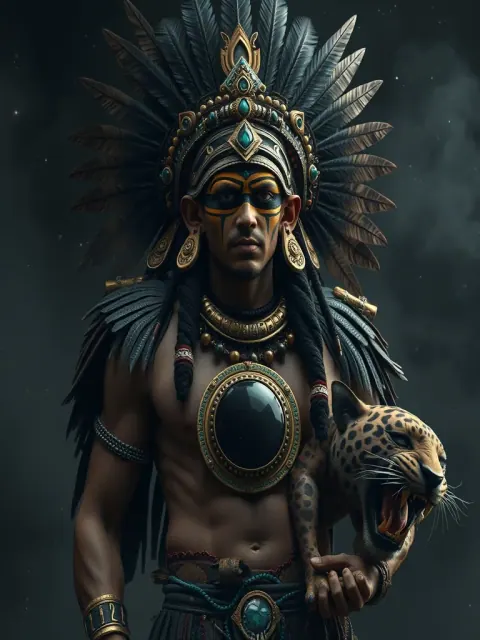
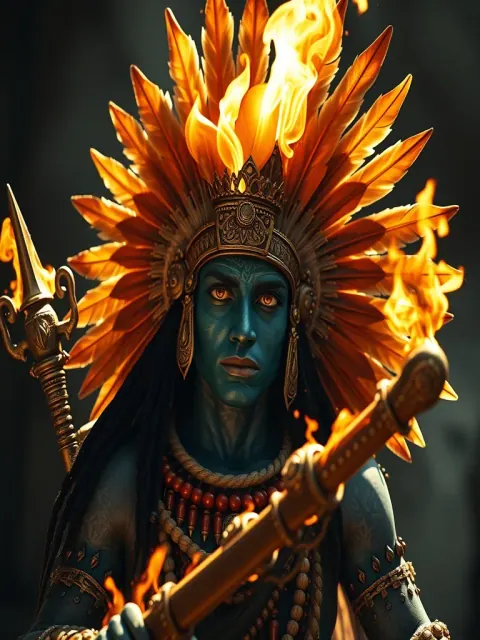
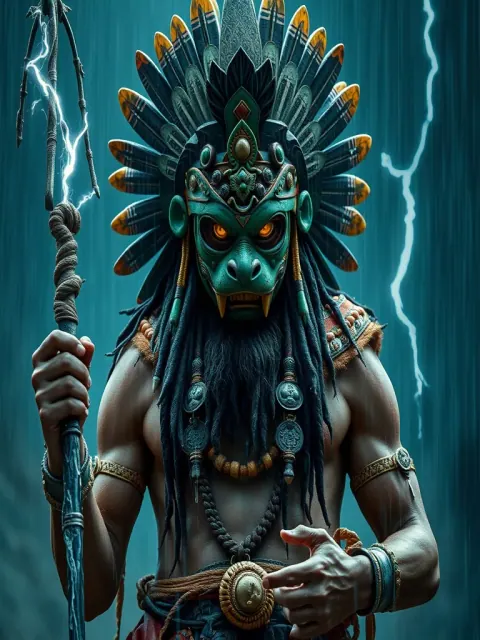
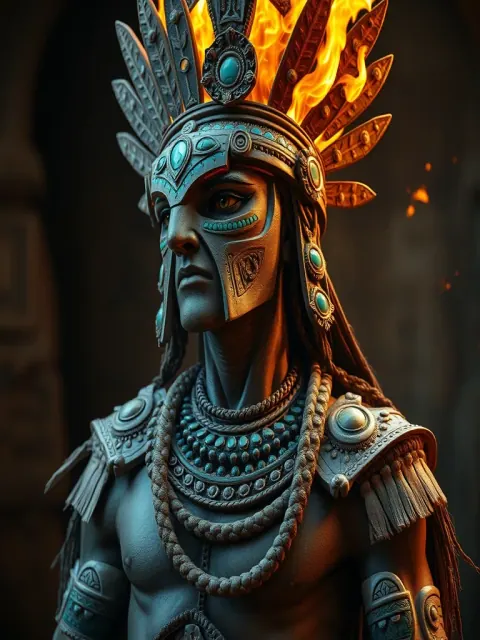
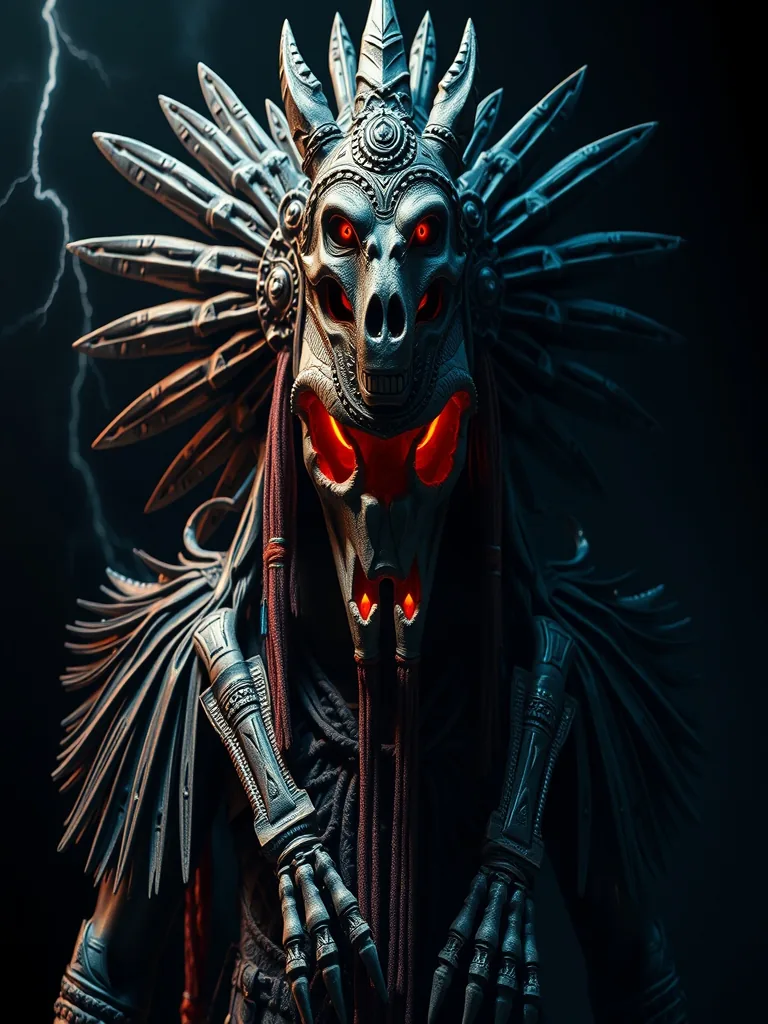
Portrait of Xolotl, Aztec deity
Aztec
Tap or drag
Aztec

Xolotl

The Sacred Twin

Domain
Evening Star & Guide of the Dead
Alignment
True Neutral
Element
Darkness
Relics of Power
Xoloitzcuintli, the Guide Dog
Speak with Xolotl

The full Codex

5 sections of this entry are open to everyone: the summary, the people, the symbols, the lineage and the sources. The other 9 (Name and epithets, In the ancient sources, The myths, Worship and archaeology, How the god was depicted, What scholars debate, After antiquity, Did you know?, Codex relic) are part of the full Codex: PRO opens the whole study of all 500 deities, and without a subscription you can read one full entry a day, just like in the app.

The People

People
Aztecs (Mexica)
Region
Central Mexico
Period
14th – 16th c.

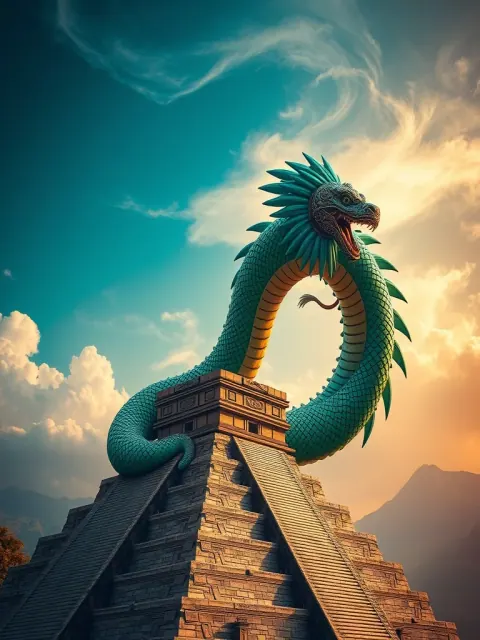
The Aztec gods were worshipped by the Mexica people from their capital, Tenochtitlan, in central Mexico. They believed the sun would only move if fed with blood, which led to the famous sacrifices atop pyramid-temples. Their world was cut short by the Spanish conquest in the 16th century.

The 18-month ritual calendar brought festivals such as Toxcatl, in which a youth lived for a year as the embodiment of Tezcatlipoca. Every 52 years, the New Fire Ceremony extinguished every flame in the empire, rekindled from a single bonfire to prevent the end of the world.
At a glance

Xolotl (in standardized Classical Nahuatl, Xōlōtl, meaning “The Twin”, “The Double”, “The Servant” or “The Monstrous Creature”) is the enigmatic Mesoamerican canine deity associated with lightning, transformative fire, twin births, bodily deformities and the evening star Venus. Twin brother and nahualli (zoomorphic alter ego) of Quetzalcoatl, Xolotl embodies the twilight and chthonic manifestation of the planet Venus, acting as the primordial psychopomp who guides the chariot of the Sun (Tonatiuh) through the nine perilous abysses of Mictlan during the night so that it can be reborn triumphantly at eastern dawn. In the great Teotihuacan myth preserved in Book 7 of the Florentine Codex, when the gods agreed to immolate themselves to set the newly created Sun and Moon in motion, Xolotl refused sacrificial death at the hands of the wind Ehecatl; weeping until his eyes leapt from their sockets, he fled by magical metamorphosis, changing successively into a forked maize plant (xolotl), a double maguey plant (mexolotl) and the amphibious salamander of the lakes (axolotl), before being captured and sacrificed. Still revered as the celestial patron of the ritual ball game (tlachtli) and protector of the sacred xoloitzcuintli dog, he is the faithful helper of human souls crossing the waters of the underworld.

7 min read · Reviewed on September 30, 2026 · How we research

Sacred symbols

Hairless dog head, eyes hollowed by weeping, slit ears, axolotl

Family

Parents
Coatlicue or Chimalman (in Nahua genealogical traditions, mother of the cosmic twins)
Xolotl
Genealogy according to Códice Florentino (Livro 7, cap. 2; Livro 11); Leyenda de los Soles (Códice Chimalpopoca, fólios 75-77); Códice Borgia (lâminas 10, 35, 37, 42); Códice Magliabechiano (37r)

Sources and further reading

Primary sources

  • Fray Bernardino de Sahagún (Nahua collaborators of Tlatelolco), Historia General de las Cosas de Nueva España (Book VII: Metamorphoses of Xolotl at Teotihuacan; Book XI: Animals). translation: Facsimile edition and English translation by Arthur J. O. Anderson and Charles E. Dibble (Florentine Codex: Book 7, SAR and University of Utah, 1977). read
  • Nahua authors of Cuauhtitlan, Chimalpopoca Codex: Leyenda de los Soles (The journey of Quetzalcoatl and Xolotl to Mictlan). translation: Translation by Primo Feliciano Velázquez (Instituto de Investigaciones Históricas, UNAM, México, 1992, folios 75–77). read
  • Tlacuilo artists of Puebla-Tlaxcala, Codex Borgia (Plates 10, 35, 37 and 42: Xolotl, the ballgame and the evening star). translation: Facsimile accompanied by the studies of Eduard Seler (FCE, Mexico City, reprint of 1988). read
  • Nahua colonial authors and painters, Codex Magliabechiano (Folio 37r: Mexica funerary rites and the guide dog of Mictlan). translation: Facsimile edition with notes by Zelia Nuttall (The Book of the Life of the Ancient Mexicans, Univ. of California, Berkeley, 1903). read

Studies

  • Eduard Seler (Berlin Society of Americanists), The Tonalamatl of the Aubin Collection: An Old Mexican Picture Manuscript (Study of Xolotl and Venus). Hazell, Watson and Viney, Londres e Berlim, 1901. open
  • Alfredo López Austin (IIH-UNAM), Los mitos del tlacuache: Caminos de la mitología mesoamericana (Analysis of the metamorphoses of Xolotl). Alianza Editorial Mexicana, Cidade do México, 1990. open
  • Karl Taube (Specialist in Pre-Columbian Mythology), Aztec and Maya Myths (The role of twins, the ballgame and the dog in the underworld). British Museum Press / University of Texas Press, Austin, 1993. open
  • Guilhem Olivier (National Autonomous University of Mexico), Cacería, sacrificio y poder en Mesoamérica: Tras las huellas de Mixcóatl e deidades caninas. Fondo de Cultura Económica, México, 2015. open

Name and epithets

The Nahuatl theonym Xōlōtl encompasses a rich web of meanings linked to duality, anomaly and loyal service. In the Grand Nahuatl Dictionary of UNAM, the term is defined as “double”, “twin brother”, “page”, “domestic ser…

In the ancient sources

Florentine Codex (Fray Bernardino de Sahagún and Nahua Informants), 1575–1577 CE. Provides the canonical description in the Nahuatl language of Xolotl's metamorphoses into double maize, forked maguey and axolotl to flee…

The myths

Xolotl's Cosmic Flight and the Origin of the Axolotl at Teotihuacan. As the Nahuatl text in Book 7 of the Florentine Codex tells, after the gods Nanahuatzin and Tecuciztecatl leapt into the great bonfire of Teotihuacan…

Worship and archaeology

The cult of Xolotl played a consoling and essential role in funerary ceremonies and in the eschatological conceptions of central Mexico.

How the god was depicted

The artistic depiction of Xolotl in the divinatory codices of the Borgia group is one of the most original visual syntheses of Mesoamerican iconography.

What scholars debate

The Venusian Duality: Quetzalcoatl and Xolotl as a Planetary Pair. Historians of astronomy and of Mesoamerican religion, such as Eduard Seler and Alfonso Caso, have shown that Quetzalcoatl and Xolotl formed a perfect co…

After antiquity

In contemporary Mexican culture and the global imagination, the figure of Xolotl has undergone an extraordinary revival through the popular cult of the xoloitzcuintli dog (declared cultural heritage and a symbol of Mexi…

Did you know?

The hairless xoloitzcuintli dog, directly associated with Xolotl, has a body temperature that feels high because it lacks fur, and it was traditionally used by Nahua indigenous doctors as a living hot-water bottle to re…

Codex relic

Xoloitzcuintli, the Guide Dog. The hairless dog that accompanied the dead to help them cross the Apanohuayan River, according to the Codex Magliabechiano.

The rest of this scroll is sealed

The legends, the myth, the cult and relics are part of the full Codex. You can open 1 full entry for free every day; to open all 500 deities with no limits and no ads, subscribe to Codex PRO.

See Codex PROGet it on Google Play

From the same pantheon

View pantheon