Skip to content
CodexMythologia
Back to the Codex
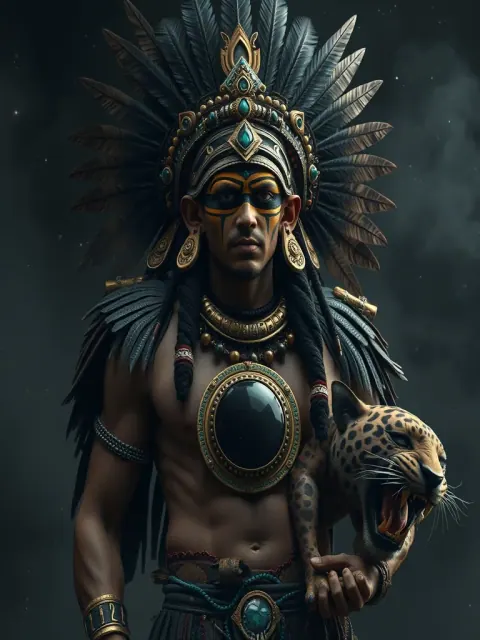
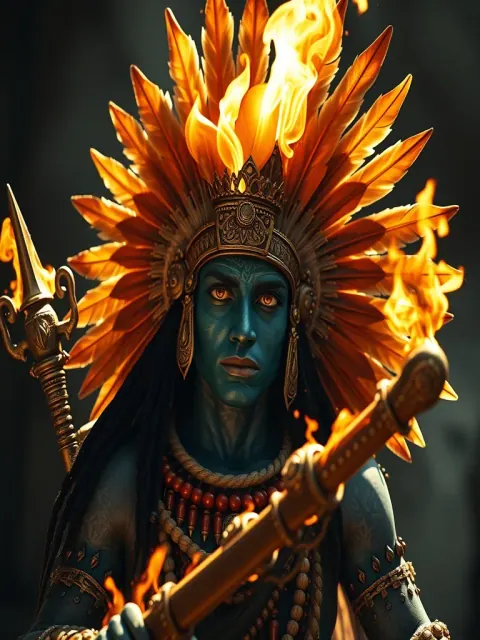
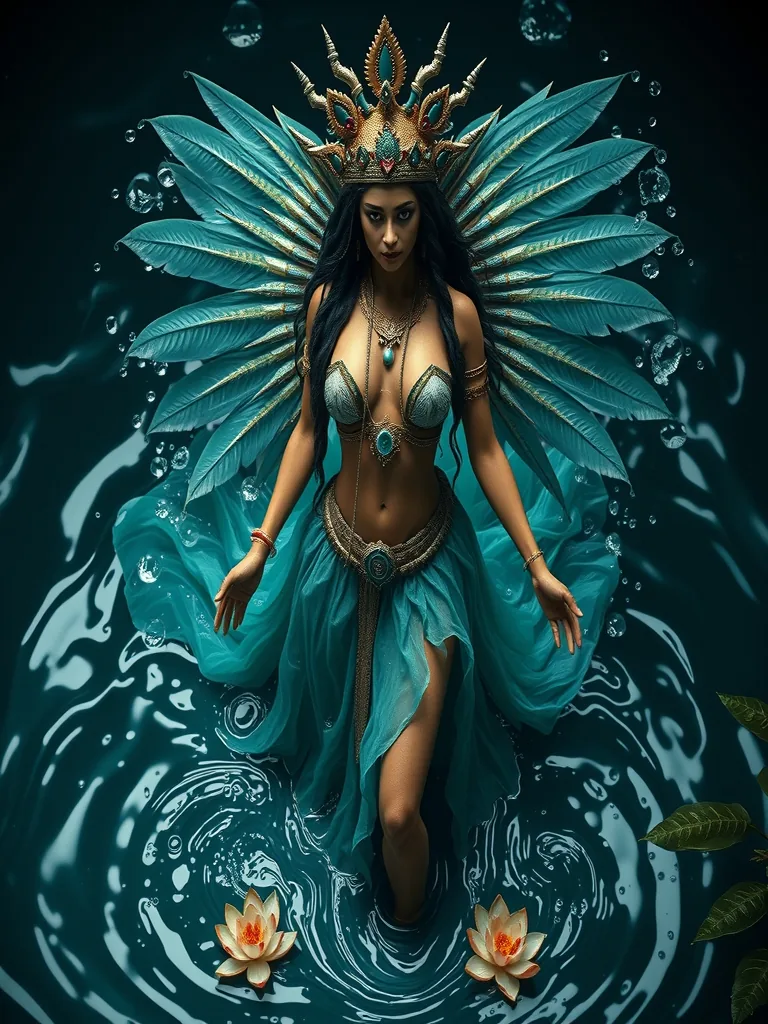
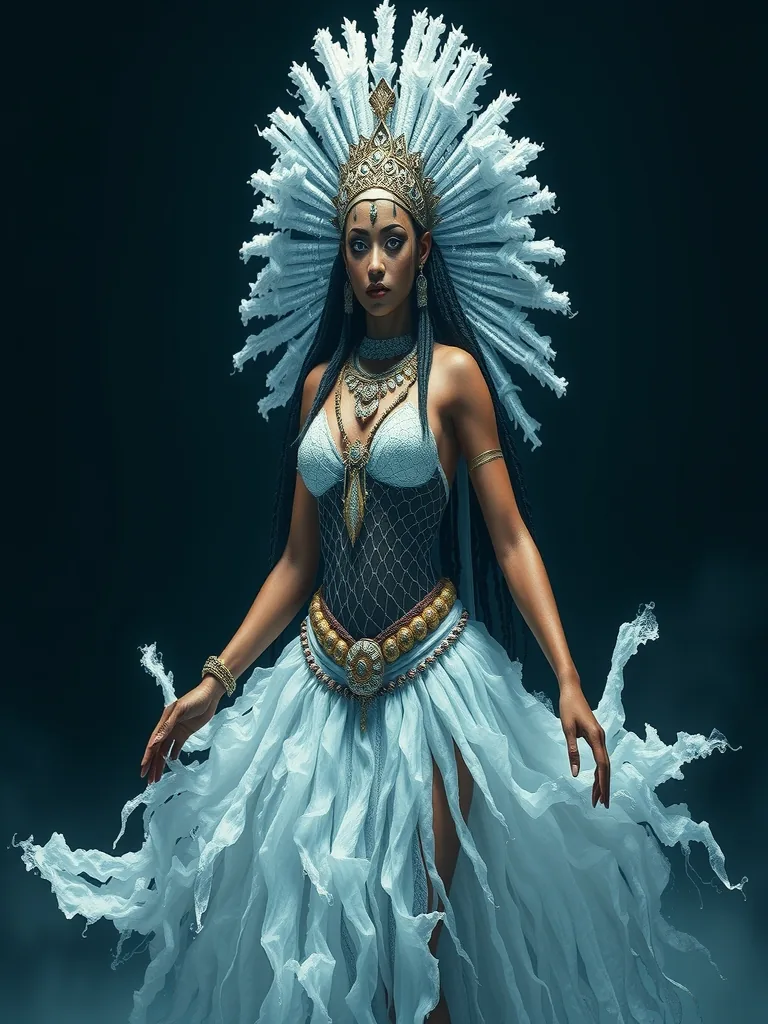
Portrait of Chalchiuhtlicue, Aztec deity
Aztec
Tap or drag
Aztec

Chalchiuhtlicue

She of the Jade Skirt

Domain
Fresh Waters & Rivers
Alignment
True Neutral
Element
Water
Relics of Power
Jade Necklace
Speak with Chalchiuhtlicue

The full Codex

5 sections of this entry are open to everyone: the summary, the people, the symbols, the lineage and the sources. The other 9 (Name and epithets, In the ancient sources, The myths, Worship and archaeology, How the god was depicted, What scholars debate, After antiquity, Did you know?, Codex relic) are part of the full Codex: PRO opens the whole study of all 500 deities, and without a subscription you can read one full entry a day, just like in the app.

The People

People
Aztecs (Mexica)
Region
Central Mexico
Period
14th – 16th c.

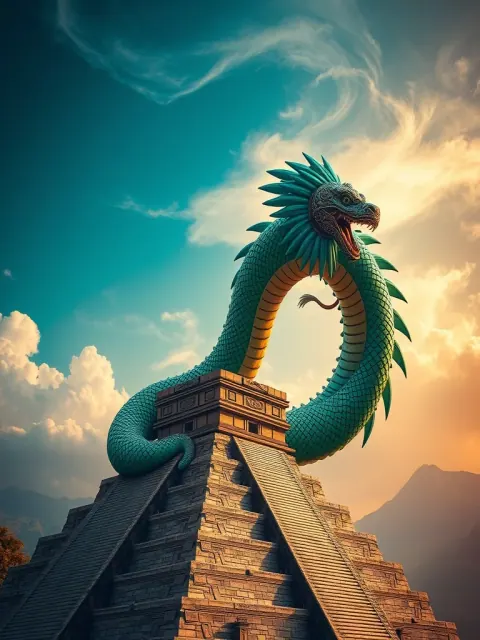
The Aztec gods were worshipped by the Mexica people from their capital, Tenochtitlan, in central Mexico. They believed the sun would only move if fed with blood, which led to the famous sacrifices atop pyramid-temples. Their world was cut short by the Spanish conquest in the 16th century.

The 18-month ritual calendar brought festivals such as Toxcatl, in which a youth lived for a year as the embodiment of Tezcatlipoca. Every 52 years, the New Fire Ceremony extinguished every flame in the empire, rekindled from a single bonfire to prevent the end of the world.
At a glance

Chalchiuhtlicue (in the standardized Classical Nahuatl spelling Chālchiuhtlīcue, meaning “She of the Jade Skirt” or “Lady of the Precious Skirt”) is the supreme Mesoamerican female deity of surface freshwaters, broad rivers, springs, lakes, coastal gulfs and canoe navigation. Sister or consort of Tlaloc, she complements the celestial rains by ruling the liquid streams that irrigate the land and feed plant fertility. In the cosmogonic chronology of the world ages preserved in the Leyenda de los Soles and the Florentine Codex, Chalchiuhtlicue ruled justly over the Fourth Sun, called Nahui Atl (4 Water). When that primordial age ended, an immense cataclysm of torrential waters (apachiohualiztli) flooded the mountains and sank the firmament, and the goddess, to spare human beings from total annihilation, transformed the humanity of that era into shoals of fish. As the greatest protector of childbirth and of newborns, she presided over Nahua baptismal rites in which midwives invoked lustral water to purify the heart and spirit of children. The monumentality of her cult is attested by the colossal monolithic statue of over twenty tons discovered in the Plaza of the Moon at Teotihuacan.

6 min read · Reviewed on September 30, 2026 · How we research

Sacred symbols

Jade skirt, jade necklace, snail shells and water drops, blue paper headdress with heron feathers

Family

Parents
Ometecuhtli and Omecihuatl (the supreme dual essence generating cosmic waters)
Siblings
Tlaloc (celestial rain deity with whom she forms an indivisible aquatic pairing)Huixtocihuatl
Chalchiuhtlicue
Unions
Tlaloc (storm lord sharing the governance of fertile terrestrial waters)
Genealogy according to Códice Florentino (Livro 1, cap. 11; Livro 6, caps. 31-33); Leyenda de los Soles (Códice Chimalpopoca, fólios 75-76); Códice Borgia (lâminas 11, 14, 65); Códice Borbónico (pág. 5)

Sources and further reading

Primary sources

  • Fray Bernardino de Sahagún (Trilingual Translators' Seminary of Tlatelolco), Florentine Codex: Book 1 (Chalchiuhtlicue) and Book 6 (Nahua Rhetoric and Moral Philosophy). translation: Paleographic translation and notes by C. E. Dibble and A. J. O. Anderson (University of Utah Press, Salt Lake City, 1969-1976). read
  • Wise Tlacuilos of Cuauhtitlan, Manuscript of 1558: Leyenda de los Soles (Cosmogony of the Water Sun and Flood). translation: Version by P. F. Velázquez (edition of the Códice Chimalpopoca, UNAM, 1992, ff. 75-76). read
  • Traditional painter-scribes of Cholula, Codex Borgia (Plates 11, 14 and 65: the throne of the lady of the jade skirt). translation: Facsimile edition commented by Dr. Eduard Seler (Fondo de Cultura Económica, Mexican reprint of 1988). read
  • Indigenous painters of Central Mexico, Codex Borbonicus (Page 5: the water goddess and the fifth trecena Ce Acatl). translation: Analytical study by Ferdinand Anders, Maarten Jansen and Luis Reyes García (Akademische Druck- u. Verlagsanstalt, Graz / FCE, 1991). read

Studies

  • Leonardo López Luján (Templo Mayor Project / INAH), Las ofrendas del Templo Mayor de Tenochtitlan (study of the deposits dedicated to Chalchiuhtlicue). National Institute of Anthropology and History, Mexico City, 1993. open
  • Alfredo López Austin (IIH-UNAM), Tamoanchan and Tlalocan: places of origin and aquatic paradises in Mesoamerican worldview. Fondo de Cultura Económica, Mexico City, 1994. open
  • Karl Taube (archaeologist and iconographer of Mesoamerican art), The Major Gods of Ancient Yucatan (the mythological complex of waters, springs and green stones). Dumbarton Oaks Trustees for Harvard University, Washington, D.C., 1992. open
  • Enrique Vela (Specialist in Mesoamerican Archaeology), Chalchiuhtlicue en la Sala de Teotihuacan del Museo Nacional de Antropología. Arqueología Mexicana, special digital edition, Editorial Raíces, Mexico City, 2025. open

Name and epithets

The Nahuatl theonym Chālchiuhtlīcue is made up of the noun chālchihuitl (“precious green jade”, “polished green stone” or “emerald gem of high value”) and the postposed noun cueitl (“skirt”, “ceremonial petticoat” or “e…

In the ancient sources

Historia General de las Cosas de Nueva España (Franciscan compilation of Sahagún), 1575–1577 CE. Presents the midwife’s liturgical prayer invoking the purifying water of Chalchiuhtlicue and describes the ceremonial head…

The myths

The Deluge of Nahui Atl and the Metamorphosis of Men into Fish. According to the Nahuatl text of the Leyenda de los Soles and Sahagún’s chronicle, the fourth age of the cosmos was governed under the loving rule of Chalc…

Worship and archaeology

Veneration of Chalchiuhtlicue was ubiquitous and deeply rooted among farmers, canoe-men, lake merchants and fishermen of the Basin of Mexico and of the coastal provinces.

How the god was depicted

The artistic figuration of Chalchiuhtlicue in divinatory codices and stone statuary reveals an iconographic code of great botanical and aquatic richness.

What scholars debate

The Antiquity of the Cult: Teotihuacan versus Tenochtitlan. Archaeologists and art historians, such as Karl Taube and Leonardo López Luján, have debated the continuities and transformations in the cult of Chalchiuhtlicu…

After antiquity

In Mexican culture and world museology, the monumental statue of Chalchiuhtlicue in the Teotihuacan Hall of the National Museum of Anthropology is one of the most celebrated archaeological symbols of Mesoamerican civili…

Did you know?

The Teotihuacan monolith of Chalchiuhtlicue weighs more than 20 tons and measures 3.19 meters in height. Its monumental transfer from Teotihuacan to the new headquarters of the National Museum of Anthropology in 1964 ca…

Codex relic

Jade Necklace. A heavy necklace of circular jade plaques (chalchiuhcozcatl), part of the goddess's dress in the codices.

The rest of this scroll is sealed

The legends, the myth, the cult and relics are part of the full Codex. You can open 1 full entry for free every day; to open all 500 deities with no limits and no ads, subscribe to Codex PRO.

See Codex PROGet it on Google Play

From the same pantheon

View pantheon