Skip to content
CodexMythologia
Back to the Codex
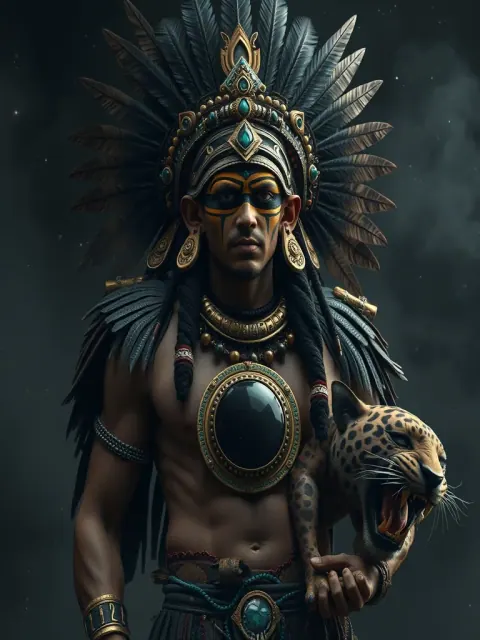
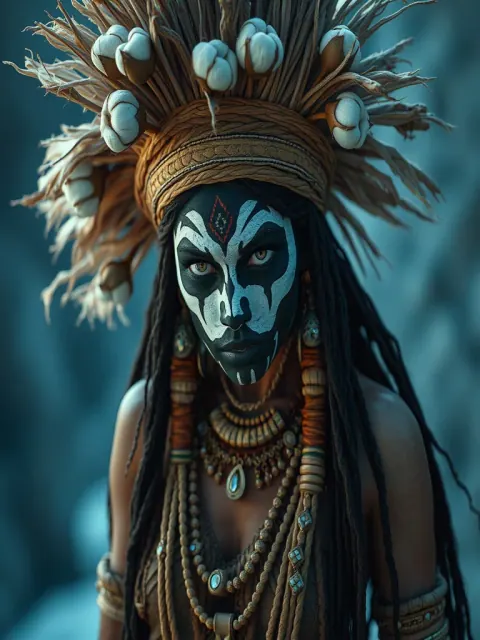
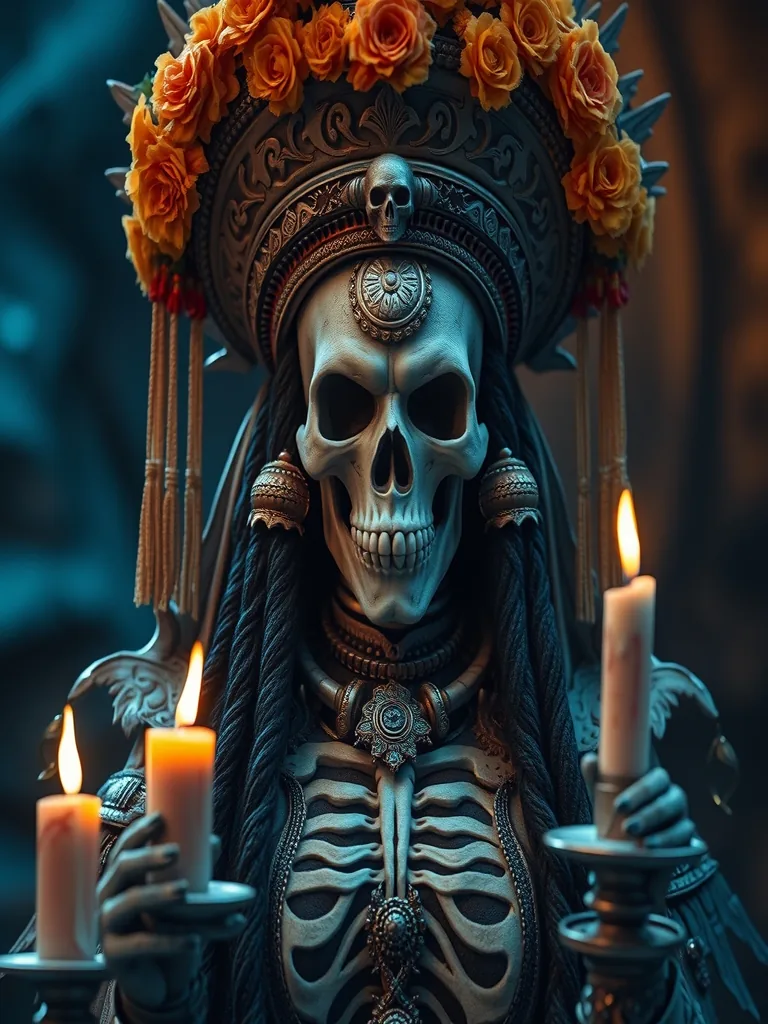
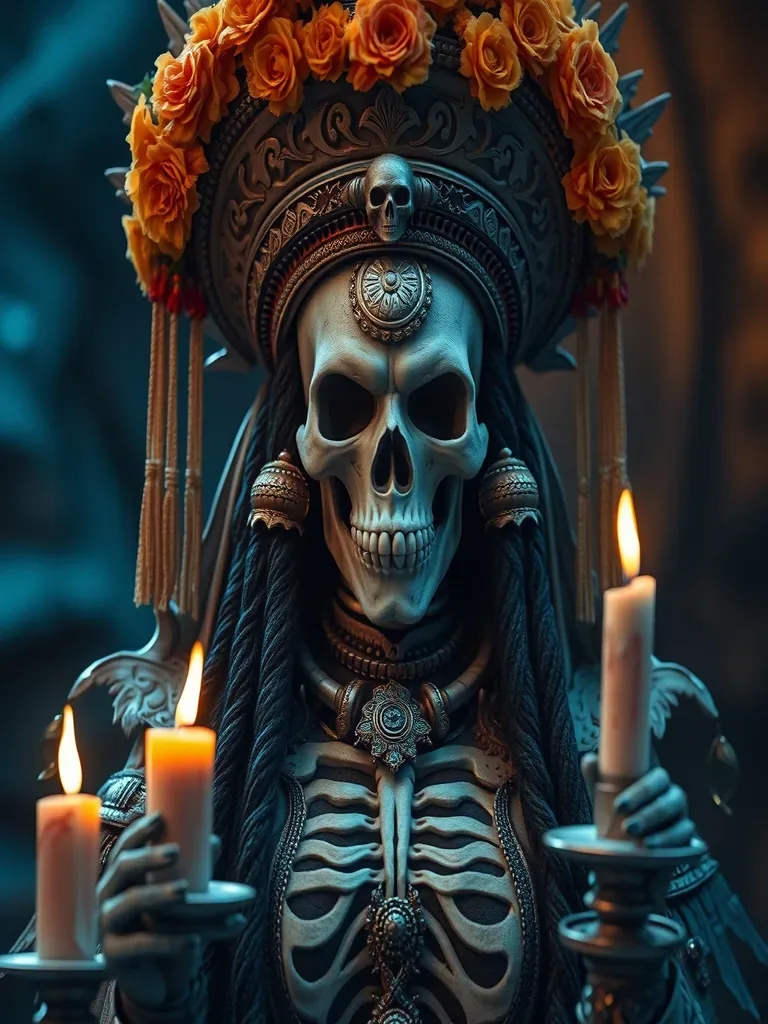
Portrait of Mictecacihuatl, Aztec deity
Aztec
Tap or drag
Aztec

Mictecacihuatl

The Lady of the Dead

Domain
Death, Underworld & Memory
Alignment
True Neutral
Element
Darkness
Relics of Power
Bones of the Ancestors
Speak with Mictecacihuatl

The full Codex

5 sections of this entry are open to everyone: the summary, the people, the symbols, the lineage and the sources. The other 9 (Name and epithets, In the ancient sources, The myths, Worship and archaeology, How the god was depicted, What scholars debate, After antiquity, Did you know?, Codex relic) are part of the full Codex: PRO opens the whole study of all 500 deities, and without a subscription you can read one full entry a day, just like in the app.

The People

People
Aztecs (Mexica)
Region
Central Mexico
Period
14th – 16th c.

The Aztec gods were worshipped by the Mexica people from their capital, Tenochtitlan, in central Mexico. They believed the sun would only move if fed with blood, which led to the famous sacrifices atop pyramid-temples. Their world was cut short by the Spanish conquest in the 16th century.

The 18-month ritual calendar brought festivals such as Toxcatl, in which a youth lived for a year as the embodiment of Tezcatlipoca. Every 52 years, the New Fire Ceremony extinguished every flame in the empire, rekindled from a single bonfire to prevent the end of the world.
At a glance

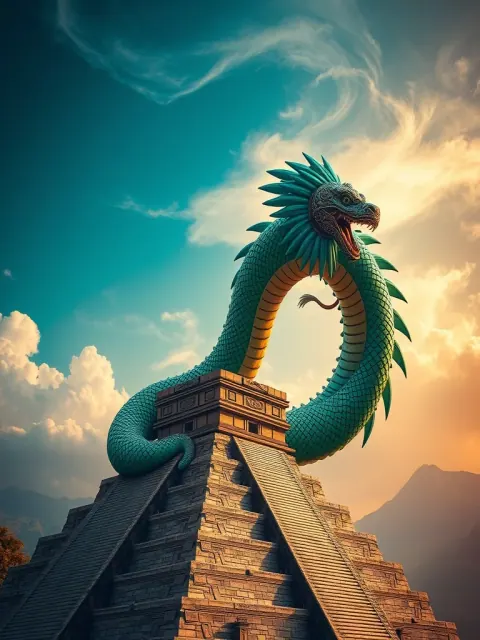
Mictecacíhuatl (in the normalized classical Nahuatl spelling Mictēcacihuātl, meaning “Lady of the Inhabitants of Mictlán” or “Lady of the Kingdom of the Dead”) is the primordial queen of the Mexica underworld, sovereign of the ninth and deepest subterranean stratum (Chicunauhmictlán), co-ruling with her husband Mictlantecuhtli. Created by the demiurgic gods in the primordial moments of cosmic formation, as recorded in the Historia de los Mexicanos por sus Pinturas and the Histoyre du Mechique, her sacred mission was to govern the final dwelling of the souls who perished from natural causes (illness or old age) and to watch over the fossilized bones of the humanities of past eras. In the cosmogonic myth of human restoration preserved in the Leyenda de los Soles, when Quetzalcóatl descended into the subterranean darkness to recover the bone relics of the extinct creations, the infernal sovereign and her consort imposed harsh initiatory trials to prevent the removal of the mortal remains, until the god of the feathers’ headlong flight made the bones fall and break, giving rise to the diversity of human stature in the Fifth Sun. In the Mexica liturgical calendar, her presence presided over the funerary festivals of Miccailhuitontli and Huey Miccailhuitl, establishing food offerings, songs and rites with cempasúchil flowers that form the direct pre-Hispanic matrix of the modern Day of the Dead.

6 min read · Reviewed on September 30, 2026 · How we research

Sacred symbols

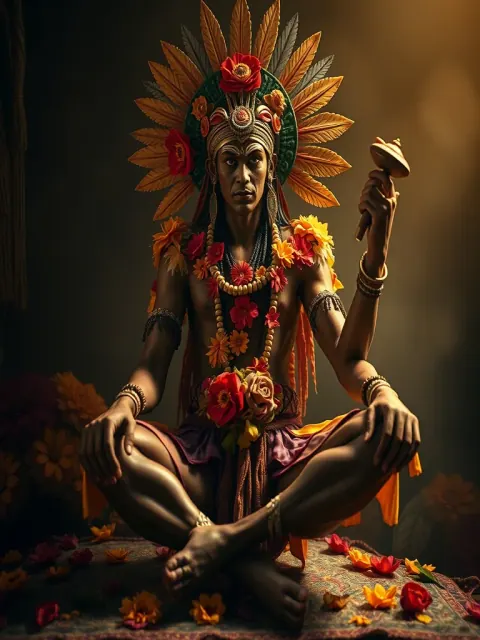
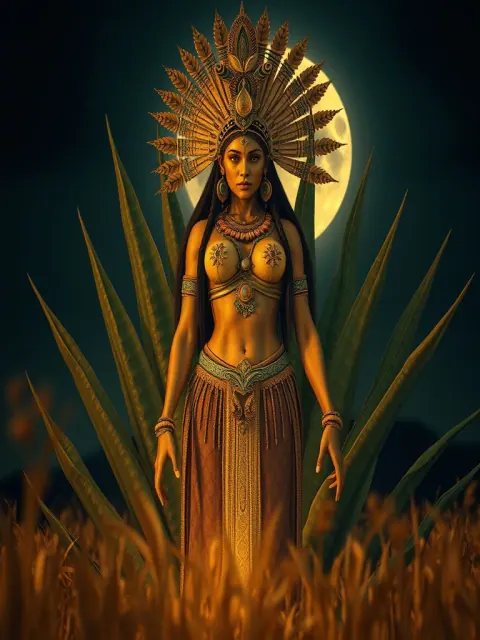
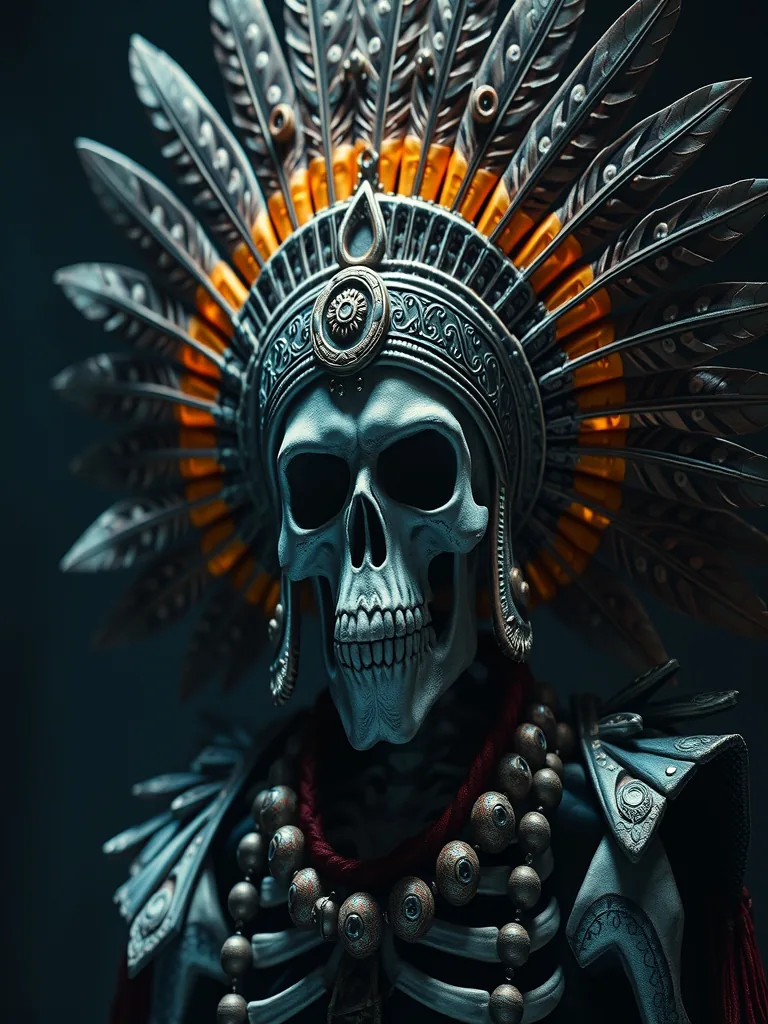
The fleshless face, the kept bones, the serpent skirt and the skull

Family

Mictecacihuatl
Genealogy according to Historia de los Mexicanos por sus Pinturas (cap. 1); Histoyre du Mechique (caps. VI-VII); Códice Florentino (Livro 3, Apêndice); Leyenda de los Soles

Sources and further reading

Primary sources

  • Colonial Anonymous (Ramírez Manuscript), Historia de los Mexicanos por sus Pinturas (c. 1530–1535). translation: Joaquín García Icazbalceta, Nueva colección de documentos para la historia de México (vol. III, México, 1891). read
  • Friar Andrés de Olmos (Critical Edition by Ángel María Garibay), Histoyre du Mechique (in Teogonía e historia de los mexicanos). translation: Ángel María Garibay K., Teogonía e historia de los mexicanos: tres opúsculos del siglo XVI (Editorial Porrúa, México, 1965). read
  • Fray Bernardino de Sahagún, Florentine Codex: Book 3 (Appendix on the Dead and Funerary Rites). translation: Arthur J. O. Anderson and Charles E. Dibble, Florentine Codex: Book 3 - The Origin of the Gods (Santa Fe, NM, 1978). read
  • Códice Chimalpopoca (Anales de Cuauhtitlan and Leyenda de los Soles), Leyenda de los Soles (Section on the Recovery of the Bones in Mictlan). translation: Miguel León-Portilla, De Teotihuacan a los aztecas: fuentes e interpretaciones históricas (UNAM, México, 1983).

Studies

  • Alfredo López Austin (Coordination and Essay), El inframundo y el viaje del alma entre los nahuas prehispánicos (Estudios de Cultura Náhuatl). Instituto de Investigaciones Históricas, UNAM, México, 1983. open
  • Eduardo Matos Moctezuma, Muerte al filo de la obsidiana: Los nahuas frente a la muerte. Fondo de Cultura Económica, Mexico City, 1975. open
  • Eduard Seler, Comentarios al Códice Borgia (vol. I, analysis of the underworld and death deities). Fondo de Cultura Económica, Mexico and Buenos Aires, 1963. open
  • Patrick Johansson K., La muerte en el mundo náhuatl prehispánico: Ritos, cantos y escatología. Instituto de Investigaciones Históricas, UNAM, México, 2012. open

Name and epithets

The Nahuatl theonym Mictēcacihuātl is formed from the noun Mictlān (the kingdom of the dead, or place of deep silence), derived from miqui (“to die”) with the locative suffix -tlān, plus the gentilic suffix -tēcatl (“in…

In the ancient sources

Historia de los Mexicanos por sus Pinturas (Ramírez Manuscript), c. 1530–1535 CE. Describes the initial creation of Mictlantecuhtli and Mictecacíhuatl as a ruling couple placed by the gods in the underworld.

The myths

The Demand for the Cosmic Bones and the Cunning of Quetzalcóatl. According to the myth of human creation narrated in the Leyenda de los Soles and the Histoyre du Mechique, Quetzalcóatl travelled to Mictlán at the dawn o…

Worship and archaeology

The cult of Mictecacíhuatl was centred on the annual festive calendar of the Mexica veintenas. During the ninth month, called Miccailhuitontli (“Little Festival of the Dead”), rites were dedicated to dead children, in w…

How the god was depicted

In the pre-Columbian pictographic manuscripts of the Borgia Group (especially the Codex Borgia, plate 56, and the Codex Vaticanus B), Mictecacíhuatl is depicted with a fleshless skull showing its teeth, jaws parted to s…

What scholars debate

The Goddess’s Transition into the Catrina and Syncretism with the Day of the Dead. Mexican cultural historians and anthropologists debate intensely the genealogical link between Mictecacíhuatl and the modern Day of the…

After antiquity

In contemporary Mexican and global culture, Mictecacíhuatl has risen to the status of a feminist icon and an identity symbol of spiritual sovereignty over death.

Did you know?

The food of the dead and of their lords in Mictlán was described in Nahua songs in an inverted sense: what is foul or bitter for the living became sweet and nourishing for the souls in the depths of the earth.

Codex relic

Bones of the Ancestors. The bones kept in Mictlan, from which the generations of present-day humanity were raised anew.

The rest of this scroll is sealed

The legends, the myth, the cult and relics are part of the full Codex. You can open 1 full entry for free every day; to open all 500 deities with no limits and no ads, subscribe to Codex PRO.

See Codex PROGet it on Google Play

From the same pantheon

View pantheon