Skip to content
CodexMythologia
Back to the Codex
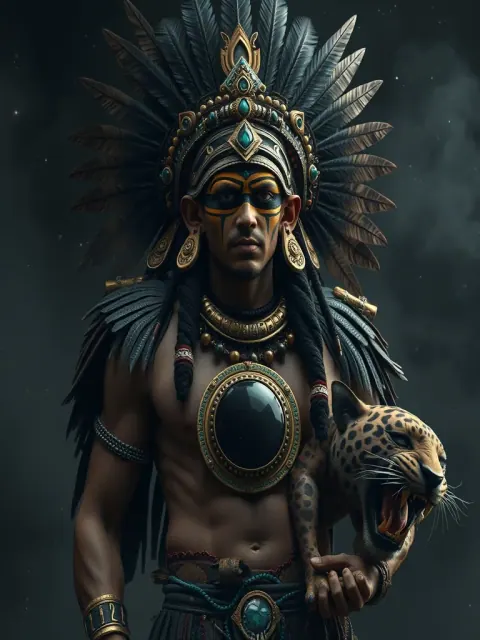
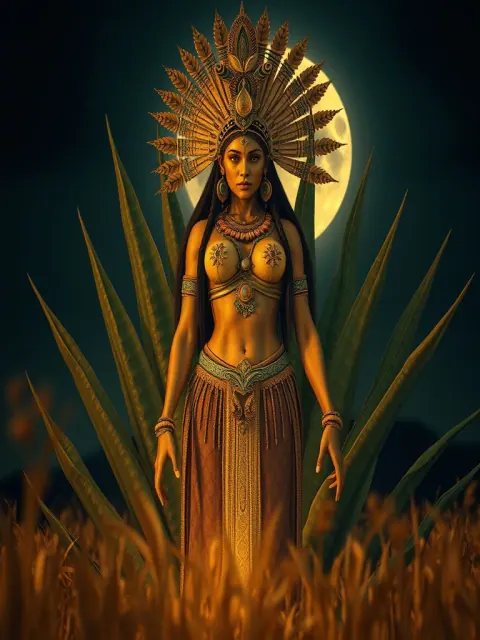
Portrait of Itzpapalotl, Aztec deity
Aztec
Tap or drag
Aztec

Itzpapalotl

The Obsidian Butterfly

Domain
War & the Tzitzimime
Alignment
True Neutral
Element
Darkness
Relics of Power
Obsidian Wings
Speak with Itzpapalotl

The full Codex

5 sections of this entry are open to everyone: the summary, the people, the symbols, the lineage and the sources. The other 9 (Name and epithets, In the ancient sources, The myths, Worship and archaeology, How the god was depicted, What scholars debate, After antiquity, Did you know?, Codex relic) are part of the full Codex: PRO opens the whole study of all 500 deities, and without a subscription you can read one full entry a day, just like in the app.

The People

People
Aztecs (Mexica)
Region
Central Mexico
Period
14th – 16th c.

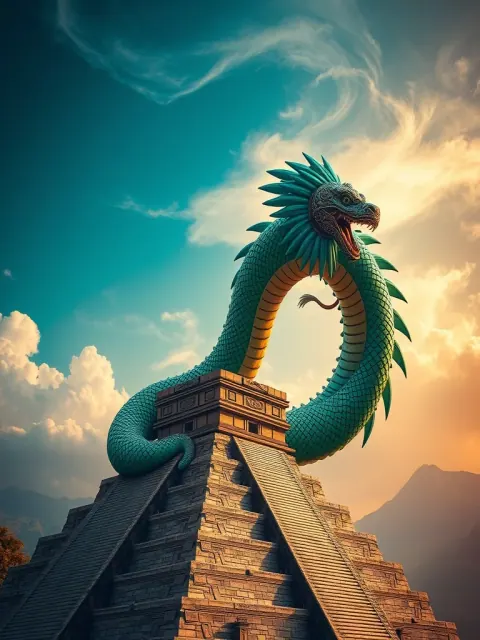
The Aztec gods were worshipped by the Mexica people from their capital, Tenochtitlan, in central Mexico. They believed the sun would only move if fed with blood, which led to the famous sacrifices atop pyramid-temples. Their world was cut short by the Spanish conquest in the 16th century.

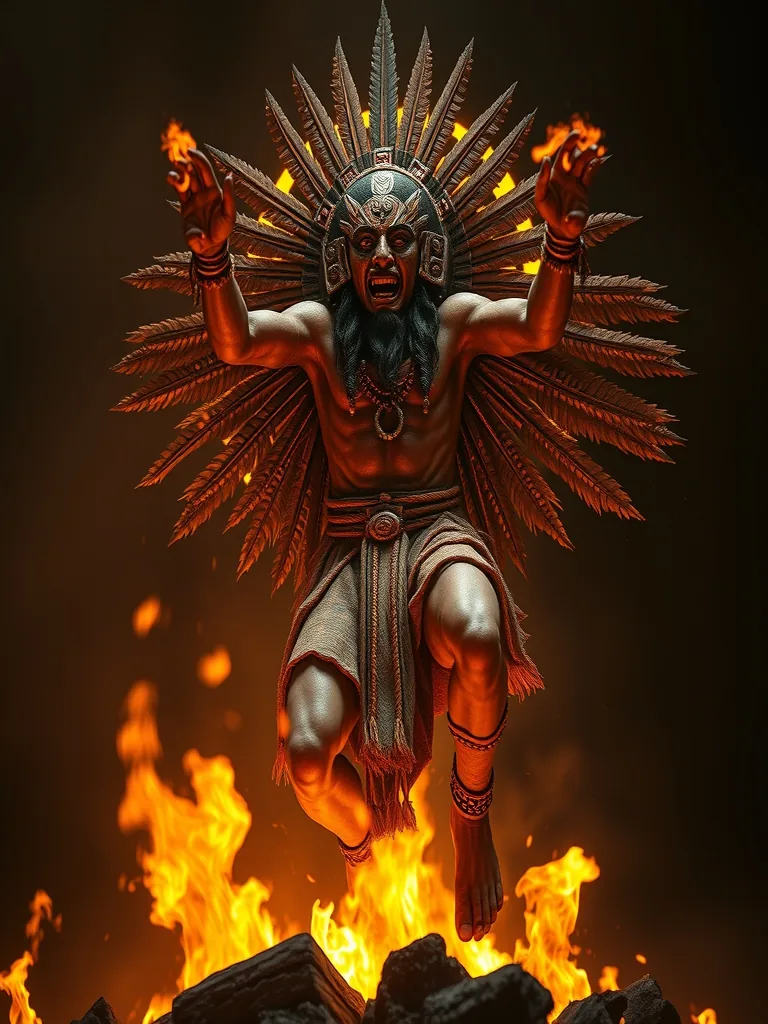
The 18-month ritual calendar brought festivals such as Toxcatl, in which a youth lived for a year as the embodiment of Tezcatlipoca. Every 52 years, the New Fire Ceremony extinguished every flame in the empire, rekindled from a single bonfire to prevent the end of the world.
At a glance

Itzpapálotl (in the normalized classical Nahuatl spelling Itzpapālōtl, meaning “The Obsidian Butterfly” or “Butterfly Armed with Blades”) is a formidable archaic warrior and earth deity of Mesoamerican tradition with Chichimec roots, revered as the primordial lady of the mythic paradise of Tamoanchan and as the supreme leader of the Tzitzimime, skeletal astral beings who dwelt at the edges of the firmament and threatened to hurl themselves down upon the earth to devour humanity during solar eclipses or in the final conflagration of a cosmic age. Lord of the sixteenth trecena of the divinatory calendar (the ritual cycle of 1 Cozcacuauhtli, or 1 Vulture), Itzpapálotl embodies the dangerous convergence of the winged delicacy of metamorphosis and the cutting lethality of volcanic glass. As preserved in the Anales de Cuauhtitlan, her mythic descent to earth culminated in a bloody combat against the Chichimec hunters Xiuhnel and Mimich; after being struck by divine arrows and consumed by fire, from her ashes sprang the sacred flint stones that became the foundation of the tribal sacred bundle (tlaquimilolli). Her iconographic presence is immortalized both in the pre-Hispanic Borgia Group codices and in the celebrated Altar of Itzpapálotl carved in volcanic stone, preserved in the National Museum of Anthropology in Mexico City.

7 min read · Reviewed on September 30, 2026 · How we research

Sacred symbols

Butterfly wings edged with obsidian blades, skeletal features, jaguar or eagle claws, skirt and loincloth together

Family

Itzpapalotl
Children
Genealogy according to Códice Telleriano-Remensis (fólios 13r, 18v); Anales de Cuauhtitlan (fólios 2-4); Códice Borgia (lâminas 11, 66); Códice Borbónico (página 16); Histoyre du Mechique (cap. VI e X)

Sources and further reading

Primary sources

  • Santa Cruz scribes and Renaissance glossators, Telleriano-Remensis Manuscript (Trecena of Ce Cozcacuauhtli and the Paradise of Tamoanchan). translation: Edition with commentary by E. Quiñones Keber (Austin: University of Texas Press, 1995, ff. 13r–18v). read
  • Nahua authors of Cuauhtitlan (Chimalpopoca Collection), Anales de Cuauhtitlan (The saga of Xiuhnel, the Mimich and the burning of Itzpapalotl). translation: Primo Feliciano Velázquez, Códice Chimalpopoca: Anales de Cuauhtitlan y Leyenda de los Soles (Instituto de Investigaciones Históricas, UNAM, Mexico City, 1992, folios 2–4). read
  • Master painters of pre-Columbian Mexico, Codex Borgianus (Plates XI and LXVI: The Throne of Itzpapalotl and the Breaking of Tamoanchan). translation: Interpretation and notes by Eduard Seler (Spanish edition in two volumes, FCE Mexico, 1963). read
  • Mexica sculptors and painters of the 15th century, Monumental Altar of Itzpapálotl (Andesite sculpture, National Museum of Anthropology). translation: Iconographic study in Arqueología Mexicana, 'El Altar de Itzpapálotl del MNA' (Editorial Raíces / INAH, Mexico, 2021). read

Studies

  • Cecelia F. Klein (Department of Art History, University of California), The Devil and the Skirt: Prehispanic Nature of the Tzitzimime (iconographic research on celestial demons). Ancient Mesoamerica (Cambridge Univ. Press, vol. 11, no. 1, pp. 1–26), 2000. open
  • Alfredo López Austin (specialist in Mesoamerican worldview), Tamoanchan y Tlalocan: Lugares de origen y paraísos en la religiosidad náhuatl prehispánica. Fondo de Cultura Económica, Anthropology Section, Mexico, 1994. open
  • Karl Taube (UC Riverside), The Major Gods of Ancient Yucatan (Comparative iconography of the obsidian butterfly and Tamoanchan). Dumbarton Oaks Research Library and Collection, Washington D.C., 1992. open
  • Guilhem Olivier (Instituto de Investigaciones Históricas), Mockeries and Metamorphoses: An Aztec God (Chapters on nocturnal beings, mirrors and Tzitzimime). University Press of Colorado, Boulder, Colorado, 2003. open

Name and epithets

The Nahuatl theonym Itzpapālōtl results from the direct agglutination of itztli (“obsidian”, “volcanic glass”, or “sharpened sacrificial knife”) with papālōtl (“butterfly” or “winged moth”), translating faithfully as “O…

In the ancient sources

Codex Telleriano-Remensis (Tlacuilo Painters and Spanish Glosses), 1562–1563 CE.. Documents the deity dressed in a bone skirt, with a skeletal face, raptor claws and a dorsal mirror, detailing the transgression of break…

The myths

The Breaking of the Flowering Tree of Tamoanchan and the Divine Expulsion. As preserved in the pictorial traditions of the Codex Telleriano-Remensis and in the plates of the Codex Borgia, Itzpapálotl reigned in the prim…

Worship and archaeology

The cult of Itzpapálotl had a martial, oracular and apotropaic character, bringing together deep reverential dread and passionate devotion among the guilds of Chichimec archers, Otomí and Mexica warriors.

How the god was depicted

The depiction of Itzpapálotl in Mesoamerican archaeological monuments and pictorial manuscripts forms one of the most expressive images of the Nahua pantheon.

What scholars debate

The Ambivalence of the Tzitzimime: Destructive Demons versus Fertile Goddesses. Spanish colonial historiography univocally interpreted the Tzitzimime led by Itzpapálotl as infernal demons comparable to the devils of bib…

After antiquity

In contemporary culture and in Chicana and Latin American literature, Itzpapálotl has been widely revalorized by feminist writers and theorists as an archetypal image of empowerment, dark resilience and ancestral autono…

Did you know?

The wings of Itzpapálotl depicted in the plates of the Codex Borgia combine the curved wing anatomy of a moth with rows of obsidian razors strictly identical to the blades set into the wooden combat swords (macuahuitl)…

Codex relic

Obsidian Wings. Butterfly wings whose edges are blades of obsidian and flint, like the blades of the macuahuitl.

The rest of this scroll is sealed

The legends, the myth, the cult and relics are part of the full Codex. You can open 1 full entry for free every day; to open all 500 deities with no limits and no ads, subscribe to Codex PRO.

See Codex PROGet it on Google Play

From the same pantheon

View pantheon