Persian
13 deities of this pantheon
Origin, Worldview and Mythology of the Persian
Sacred tradition associated with the Persians (Zoroastrians)
Origin and Mythological Worldview
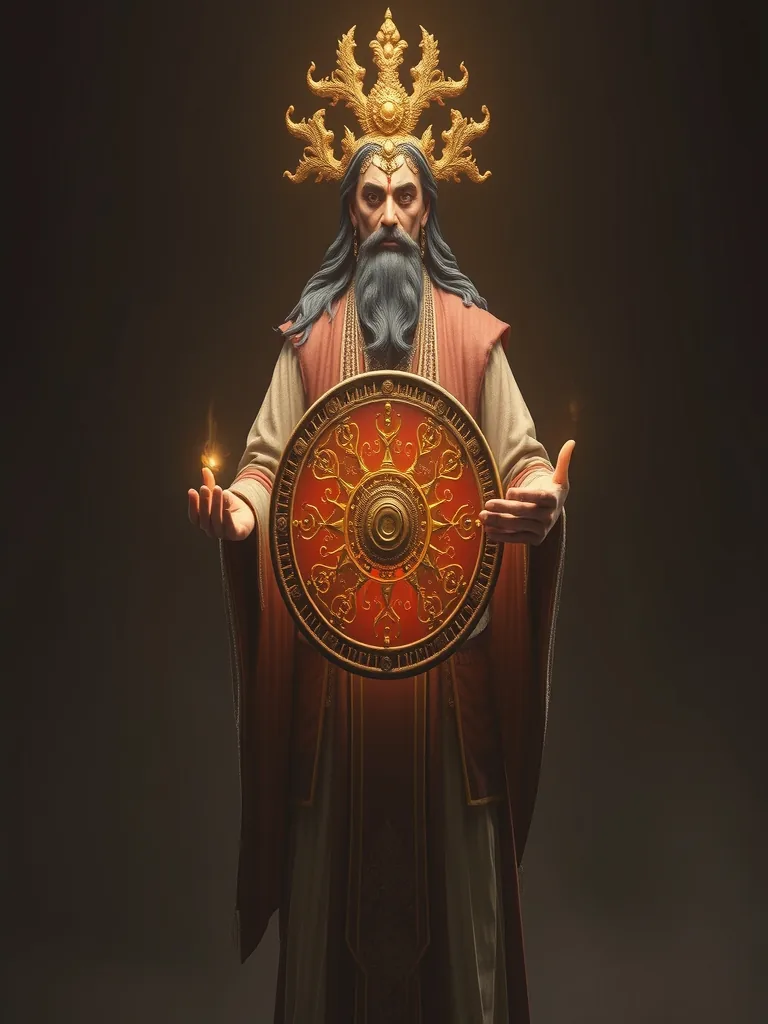
The Persian deities belong to Zoroastrianism, the faith of the ancient Persian Empire, founded on the teachings of Zarathustra. Centered on the cosmic struggle between good (Ahura Mazda) and evil (Angra Mainyu), it influenced Judaism, Christianity, and Islam. It is still practiced by Zoroastrian communities in Iran and India (the Parsis).
The sacred stories of this pantheon anchored the moral and civic foundation of ancient settlements, establishing rites of passage, seasonal liturgies, and explanations for terrestrial and celestial cycles.
Principal Deities and Central Figures
Among the 13 deities cataloged in the Codex for this pantheon, several figures hold preeminent standing across cosmic domains and civic life:
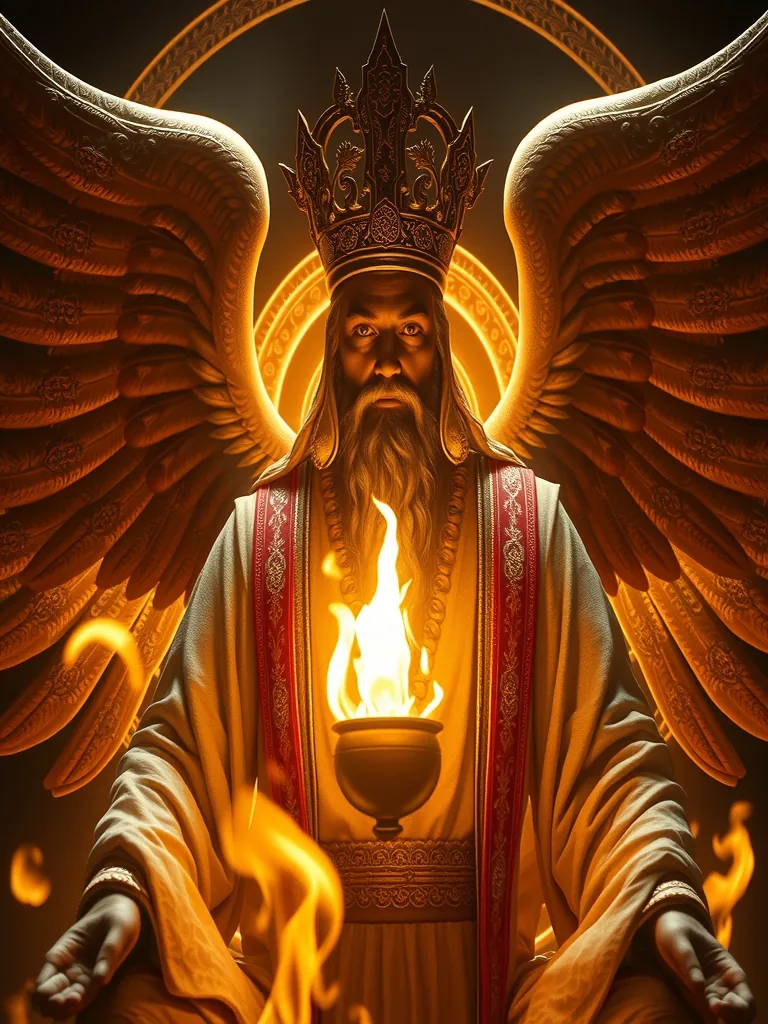
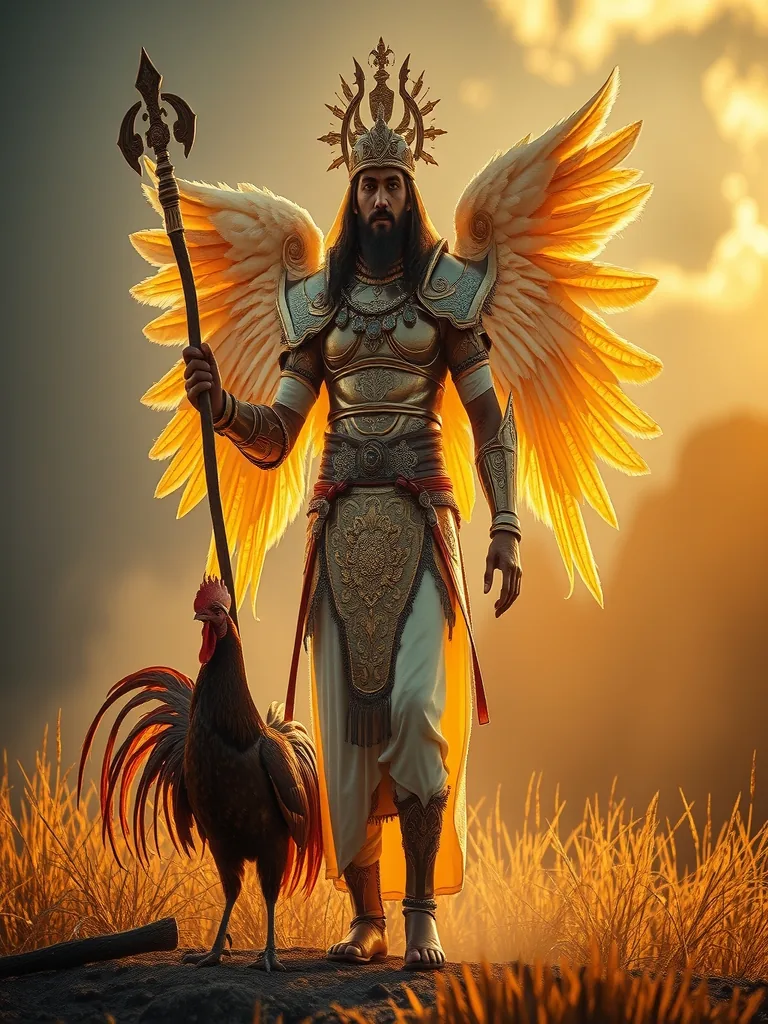
- Ahura Mazda — Creation, Wisdom & Light
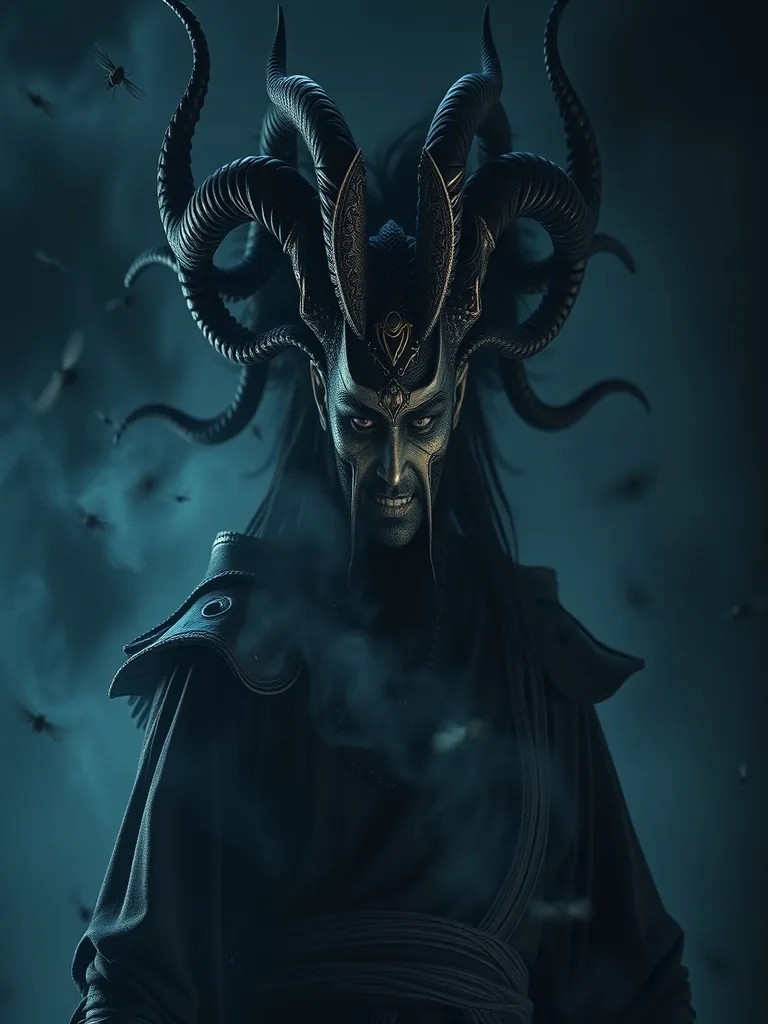
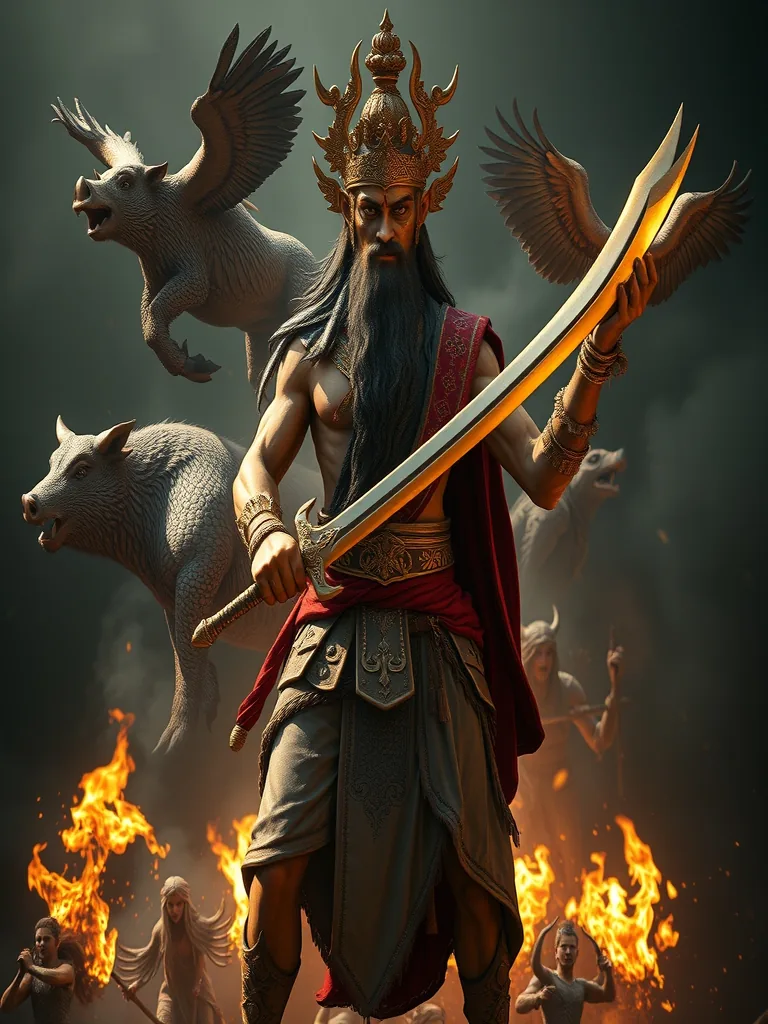
- Angra Mainyu — Evil, Darkness & Destruction
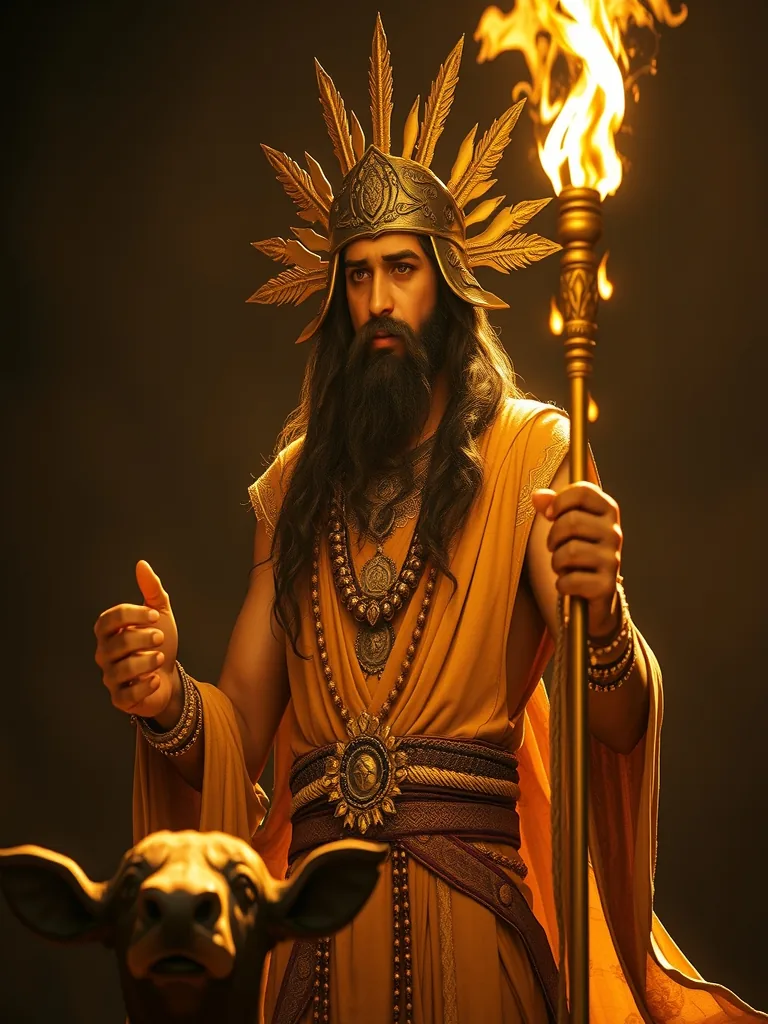
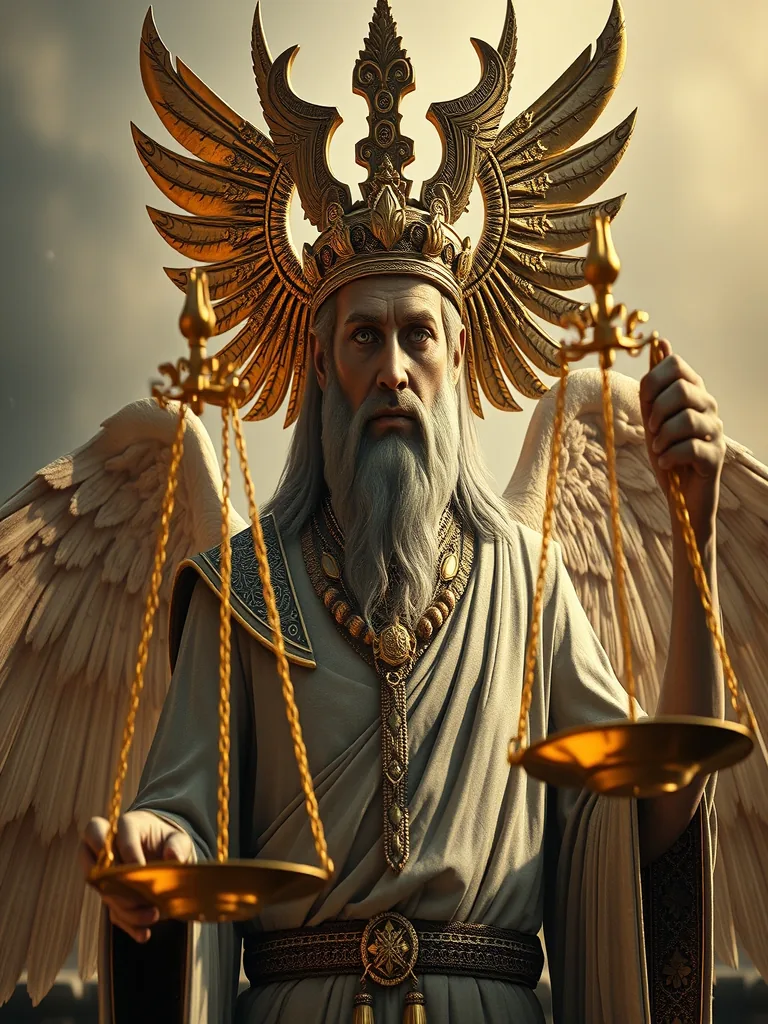
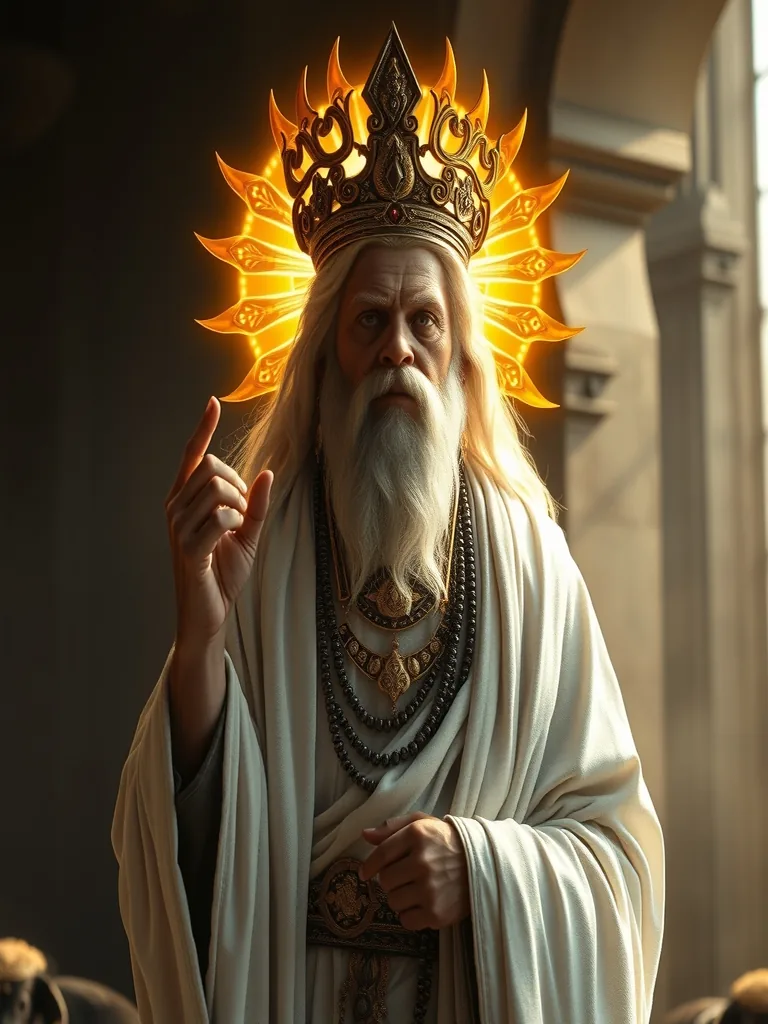
- Mithra — Covenants, Light & Justice
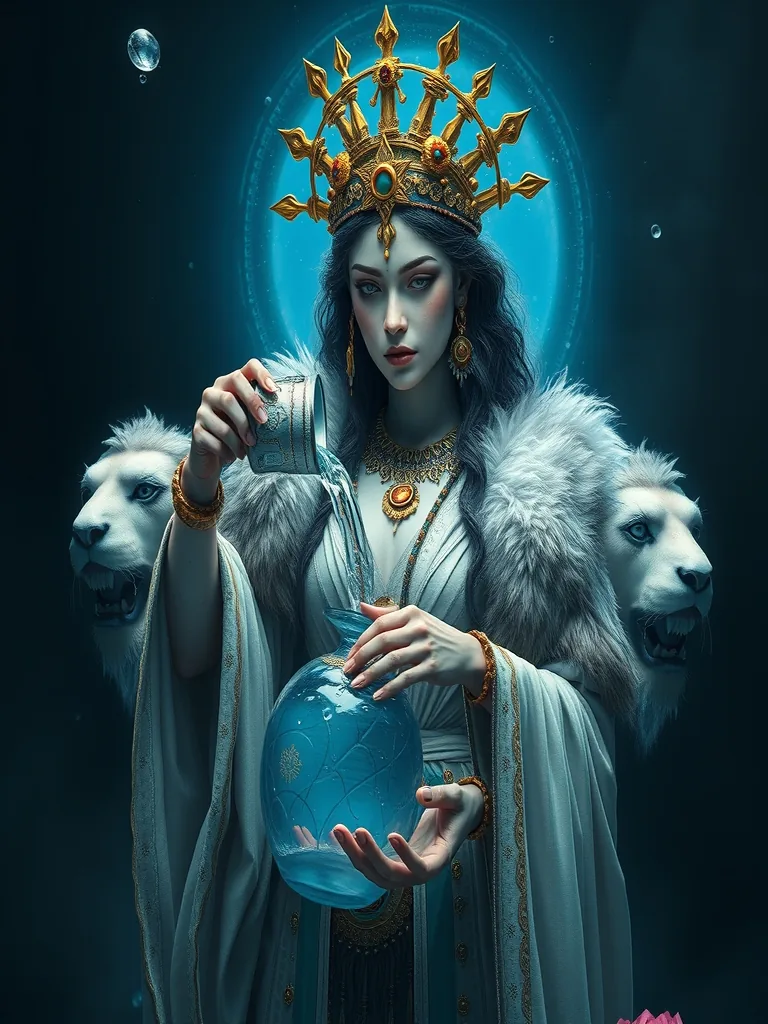
- Anahita — Waters, Fertility & War
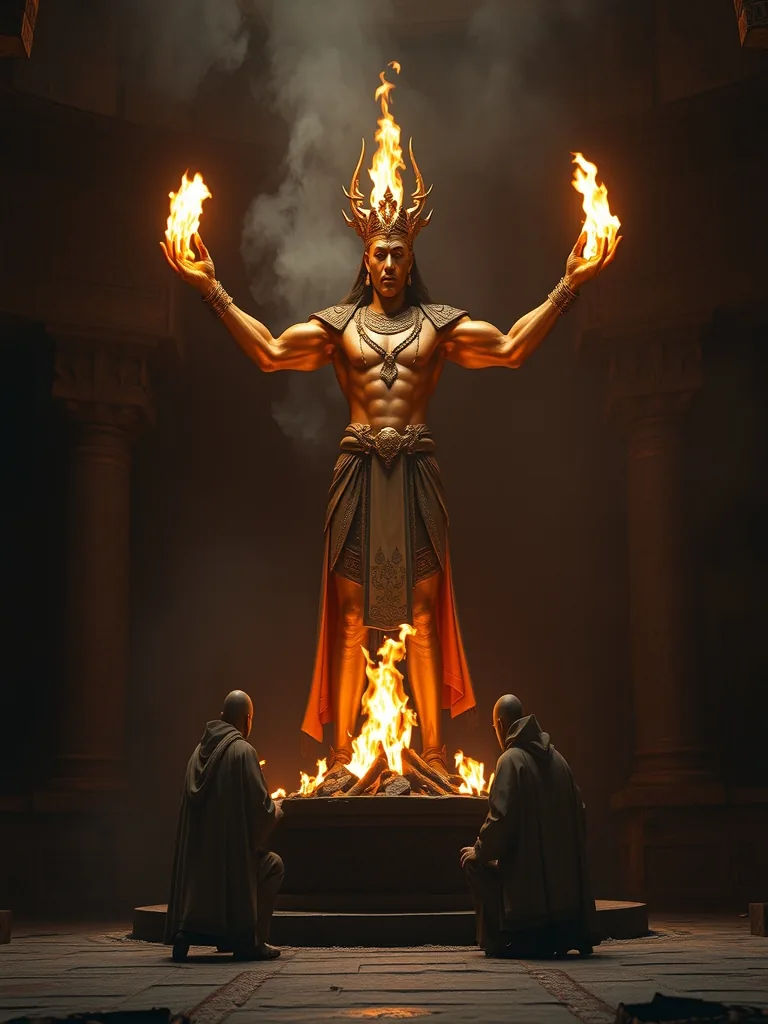
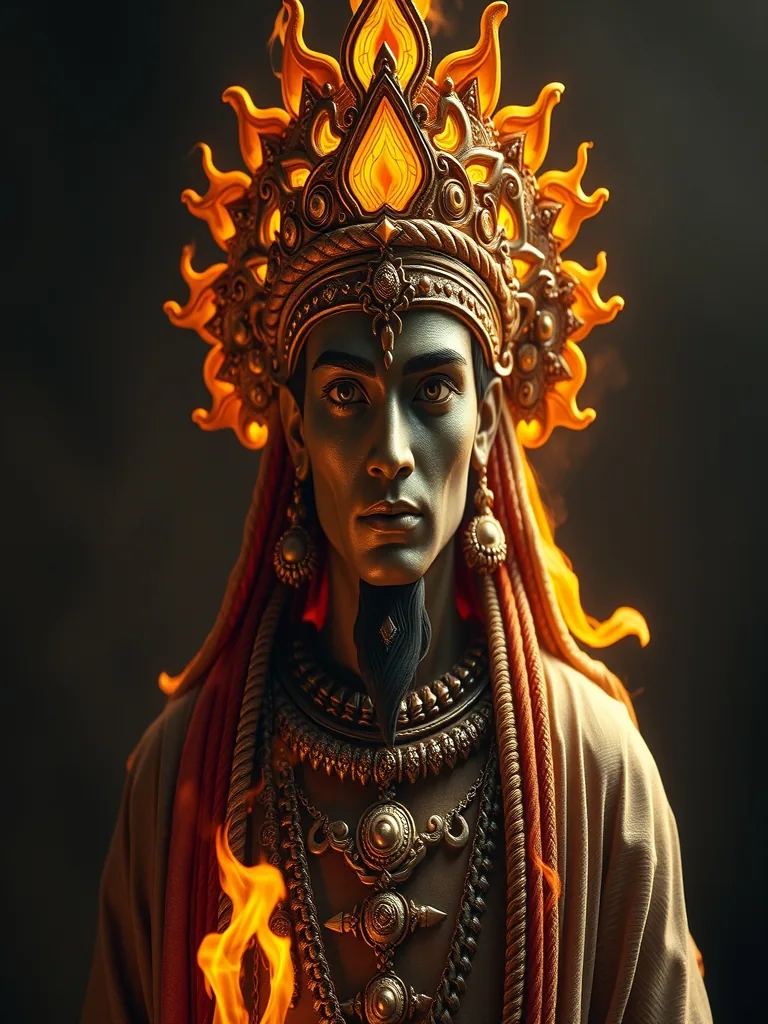
- Atar — Fire, Purity & Truth
Temples, Ritual Practices and Cult
In the fire temples, priests keep sacred flames that have burned for centuries — the one in Yazd, Iran, for over 1,500 years. Nowruz, the Persian new year at the spring equinox, and Yalda night, at the winter solstice, celebrate the victory of light over darkness.
Priests and traditional lorekeepers guarded the continuity of sacred hymns and divine genealogies, ensuring the benevolence of the gods for agricultural fertility, social harmony, and communal protection.
13 deities