Slavic
14 deities of this pantheon
Origin, Worldview and Mythology of the Slavic
Sacred tradition associated with the Slavic peoples
Origin and Mythological Worldview
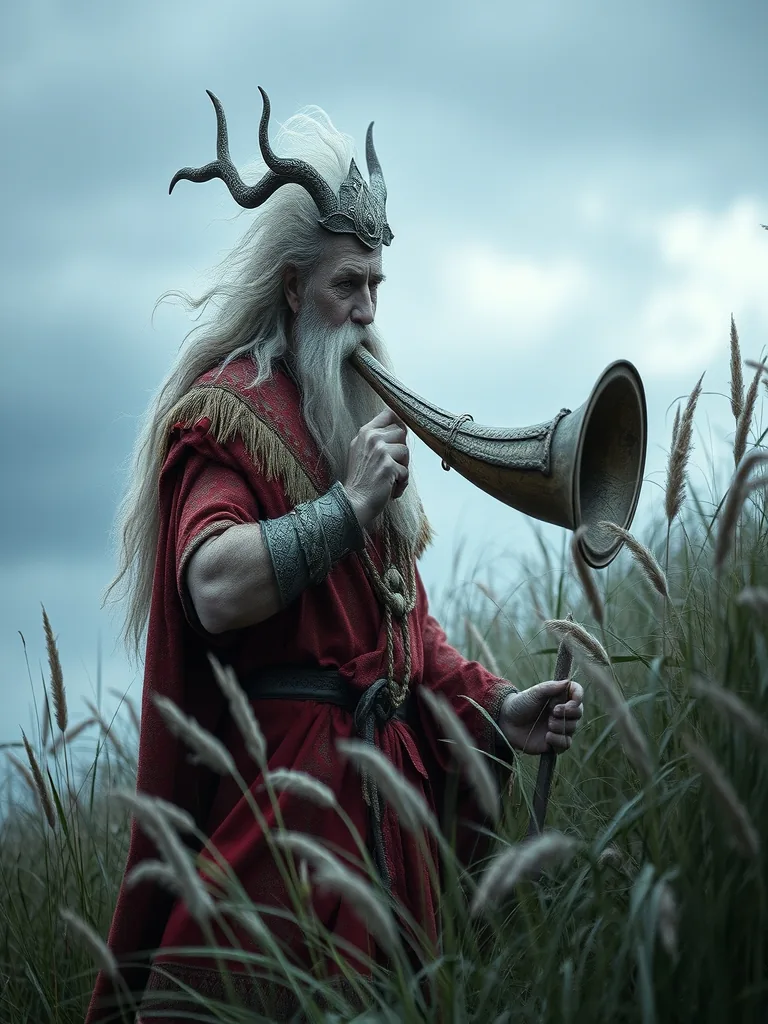
The Slavic deities were worshipped by the peoples of Eastern Europe, from Russia to the Balkans, before their Christianization. They venerated them in wooden idols and open-air sanctuaries, tied to the forces of nature and the seasons. With few written records, their beliefs survive mainly in folklore and popular traditions.
The sacred stories of this pantheon anchored the moral and civic foundation of ancient settlements, establishing rites of passage, seasonal liturgies, and explanations for terrestrial and celestial cycles.
Principal Deities and Central Figures
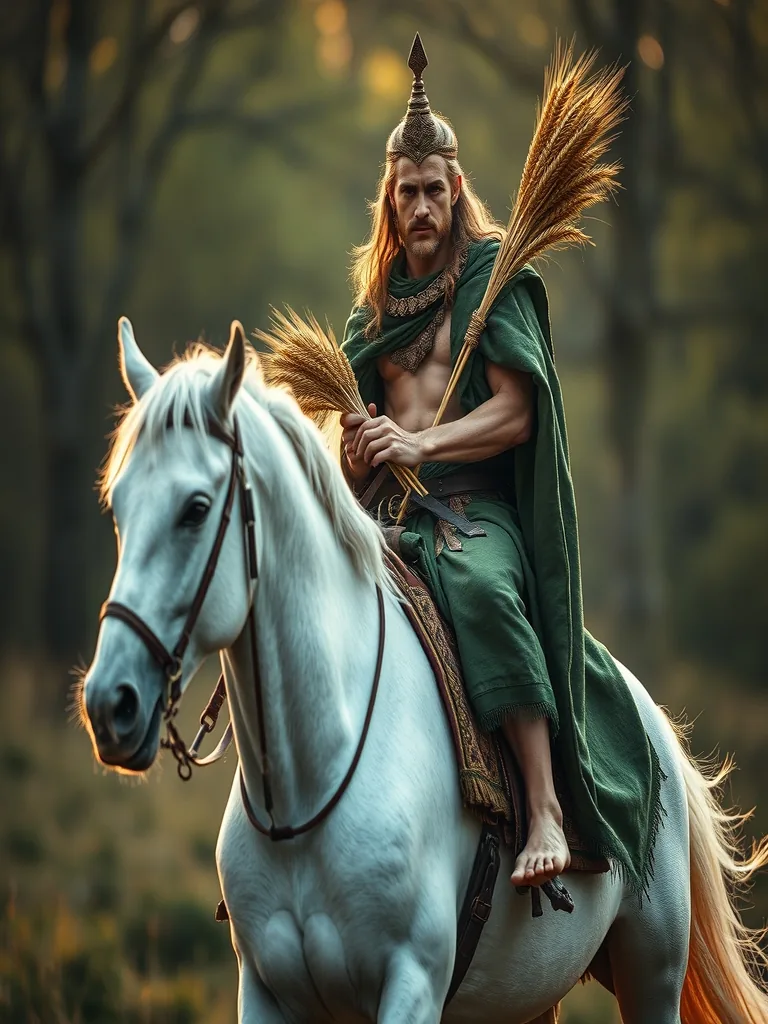
Among the 14 deities cataloged in the Codex for this pantheon, several figures hold preeminent standing across cosmic domains and civic life:
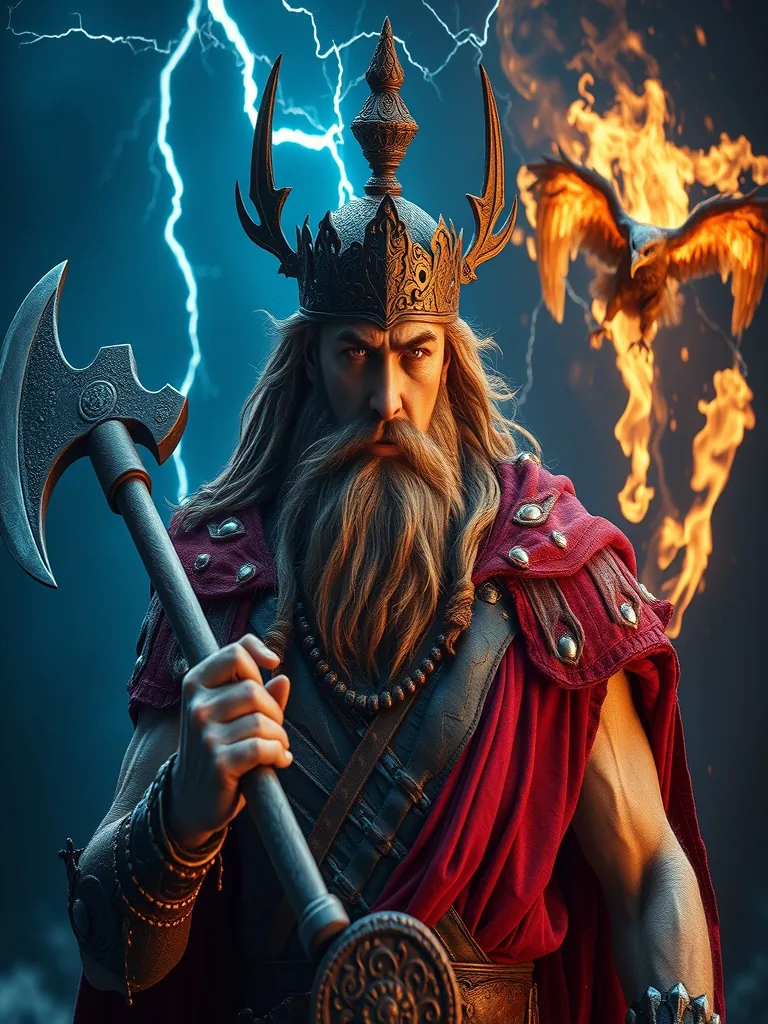
- Perun — Thunder, War & Justice
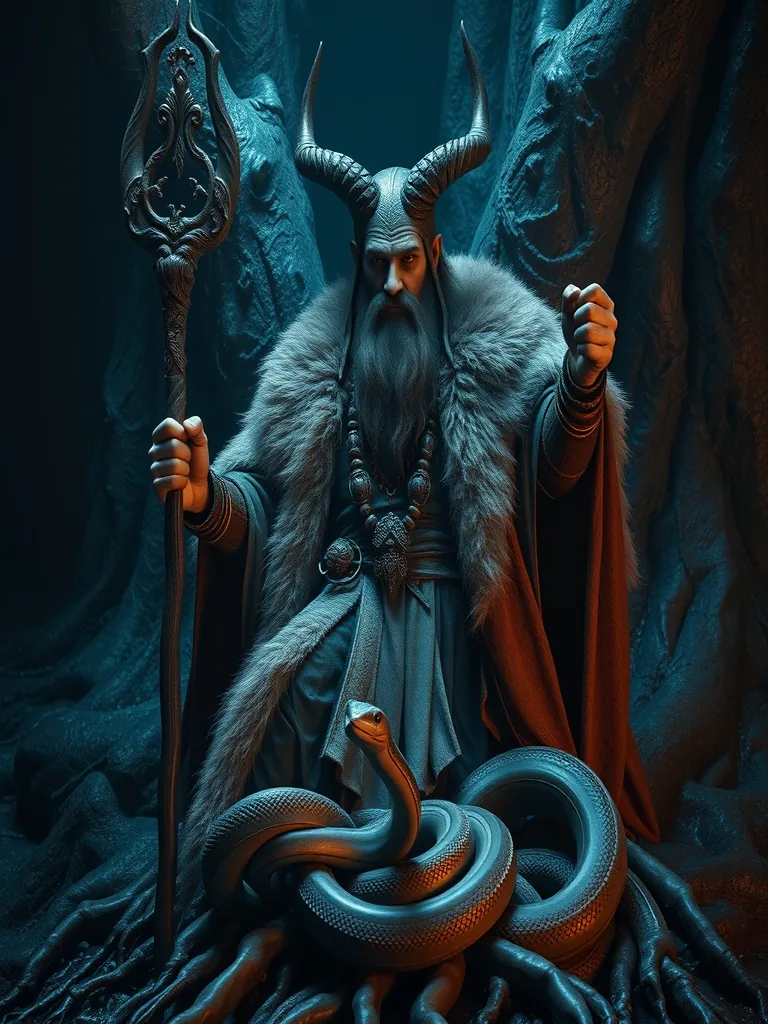
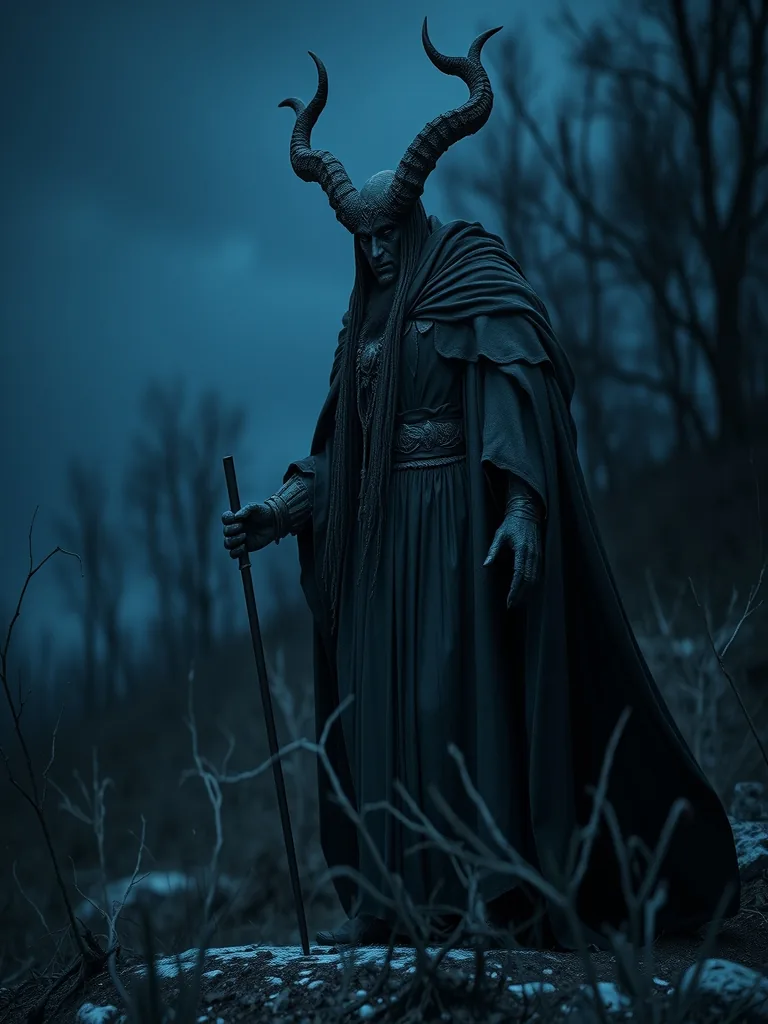
- Veles — Underworld, Cattle & Magic
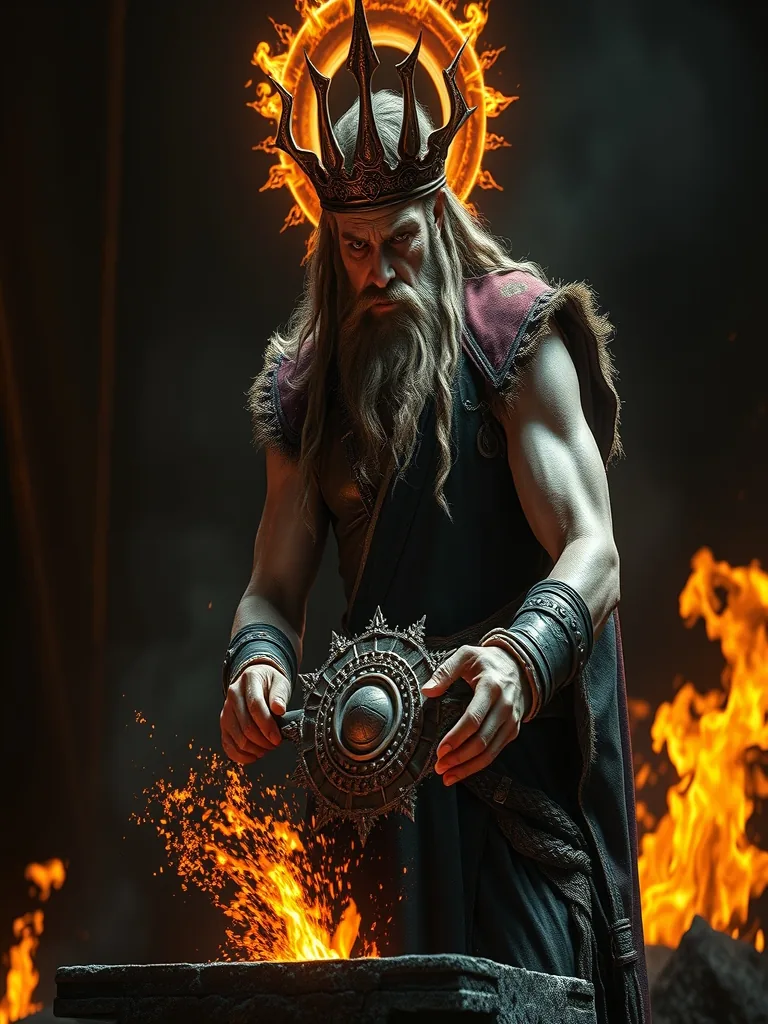
- Svarog — Sky, Fire & Forge
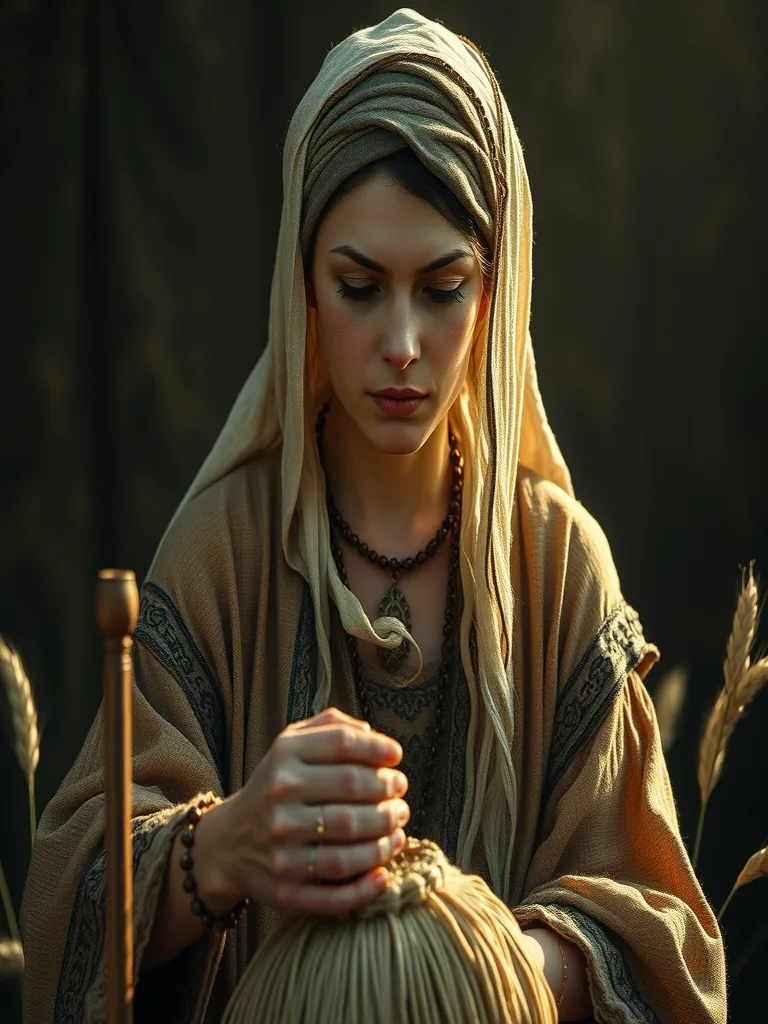
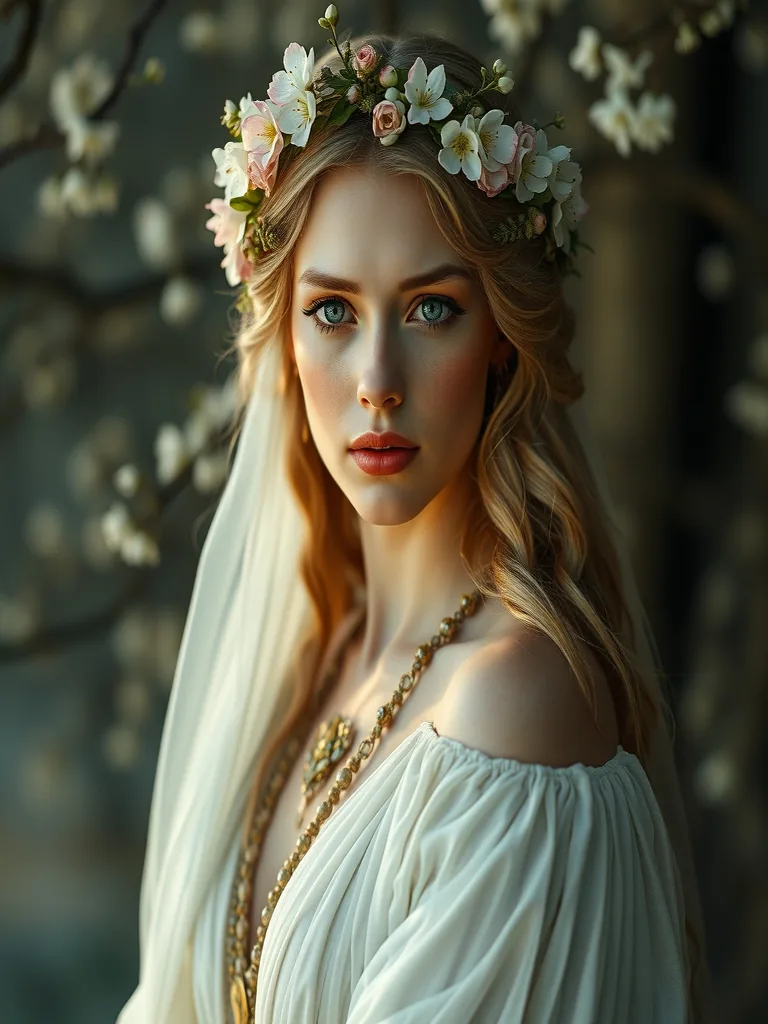
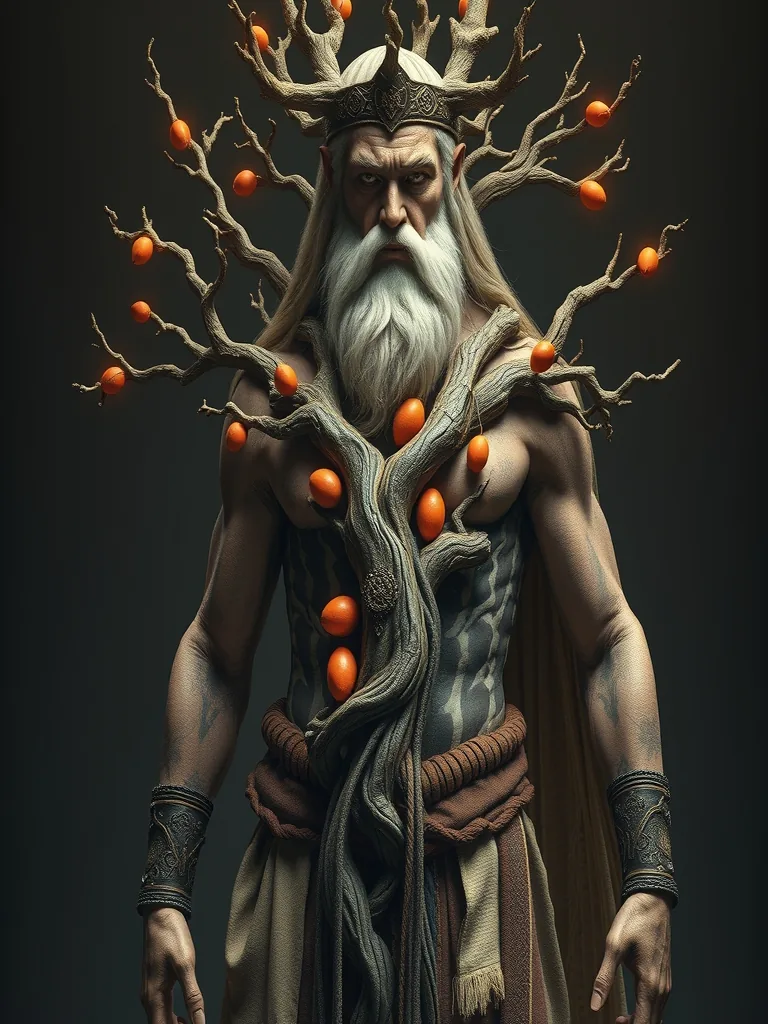
- Mokosh — Earth, Spinning & Fertility
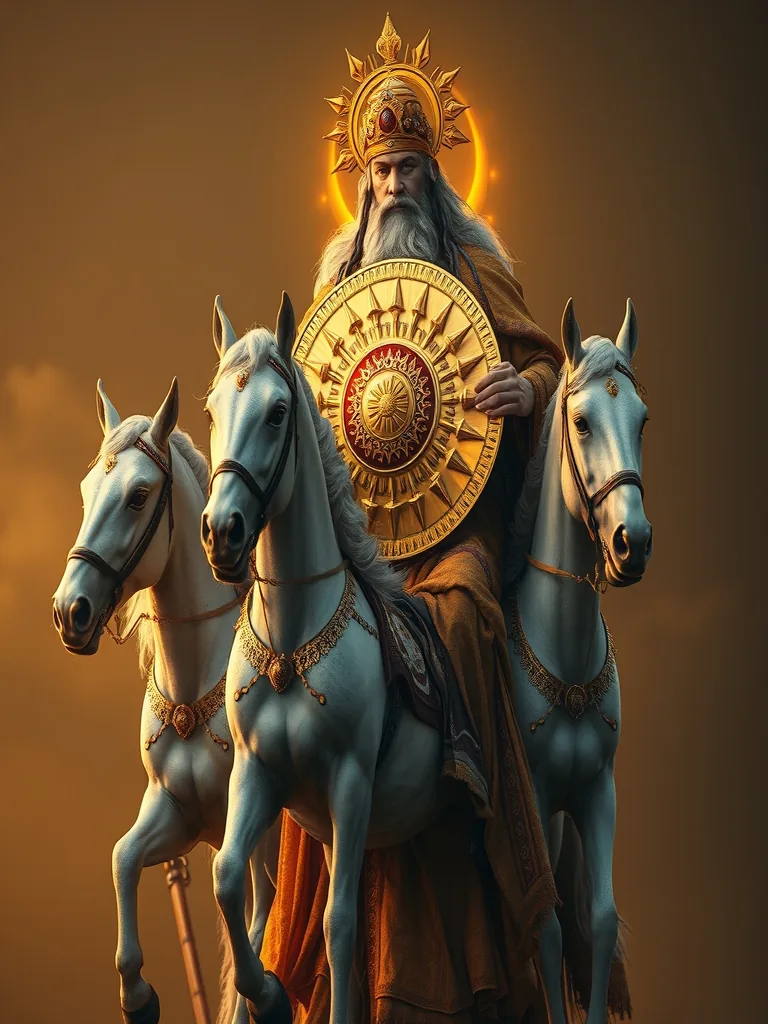
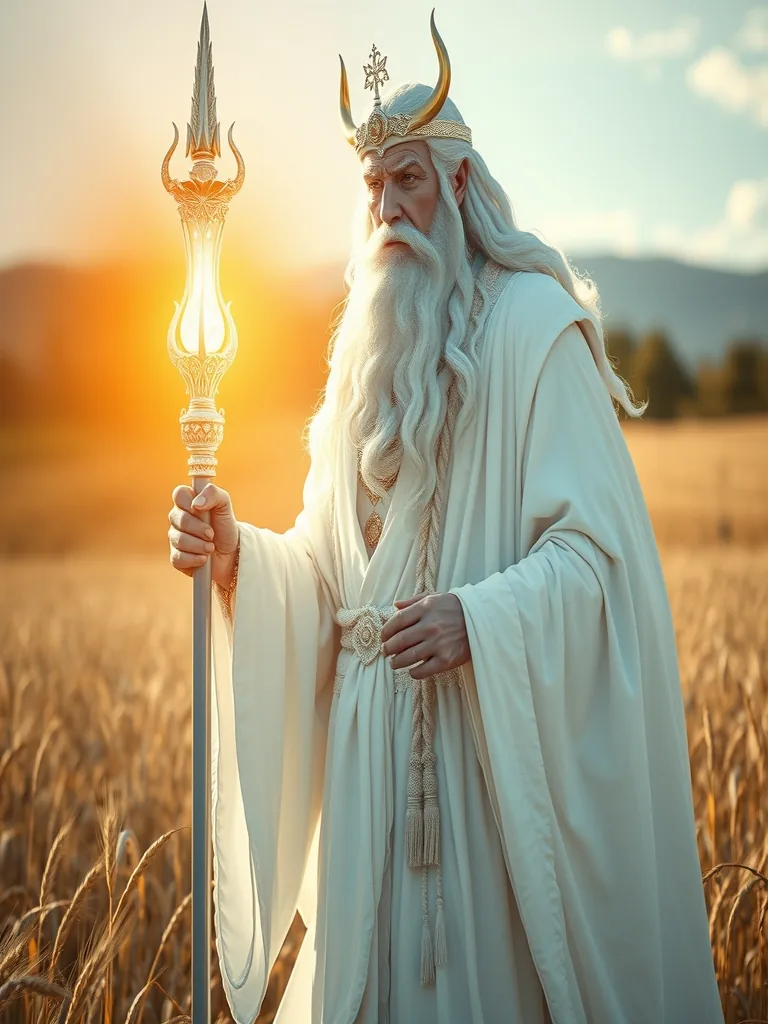
- Dazhbog — Sun, Light & Abundance
Temples, Ritual Practices and Cult
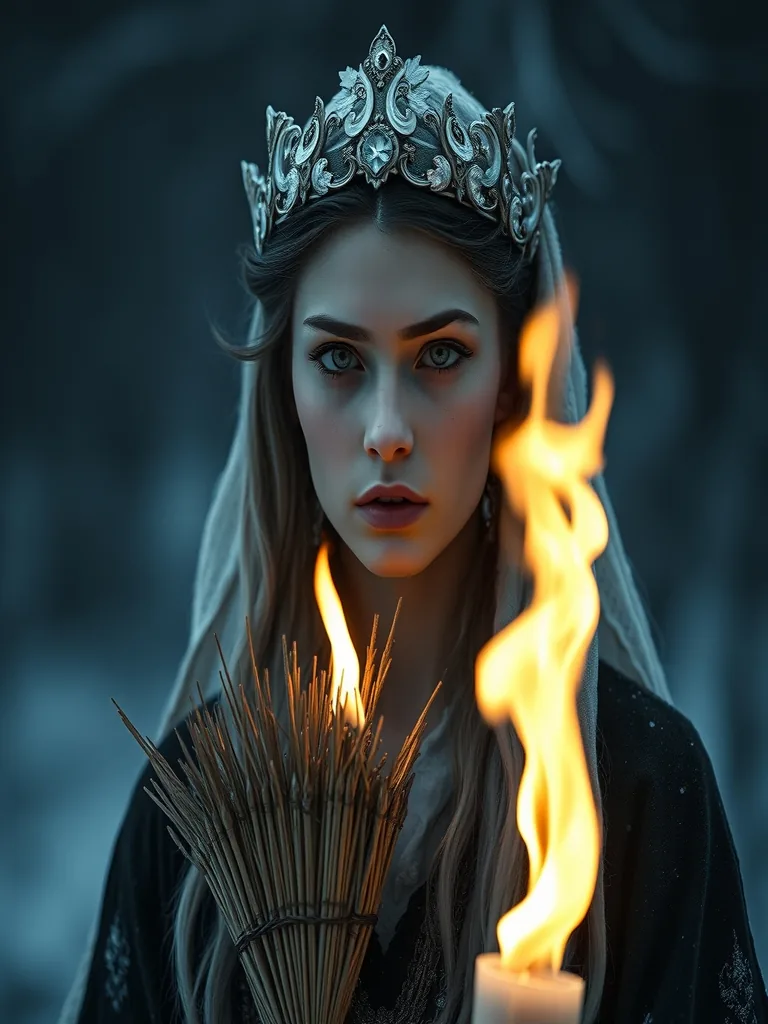
On Kupala night, the summer solstice, young people leapt over bonfires and floated flower crowns on the rivers. Maslenitsa saw off winter with pancakes in honor of the sun, and in Kiev prince Vladimir raised — and later toppled — a great idol of Perun.
Priests and traditional lorekeepers guarded the continuity of sacred hymns and divine genealogies, ensuring the benevolence of the gods for agricultural fertility, social harmony, and communal protection.
14 deities